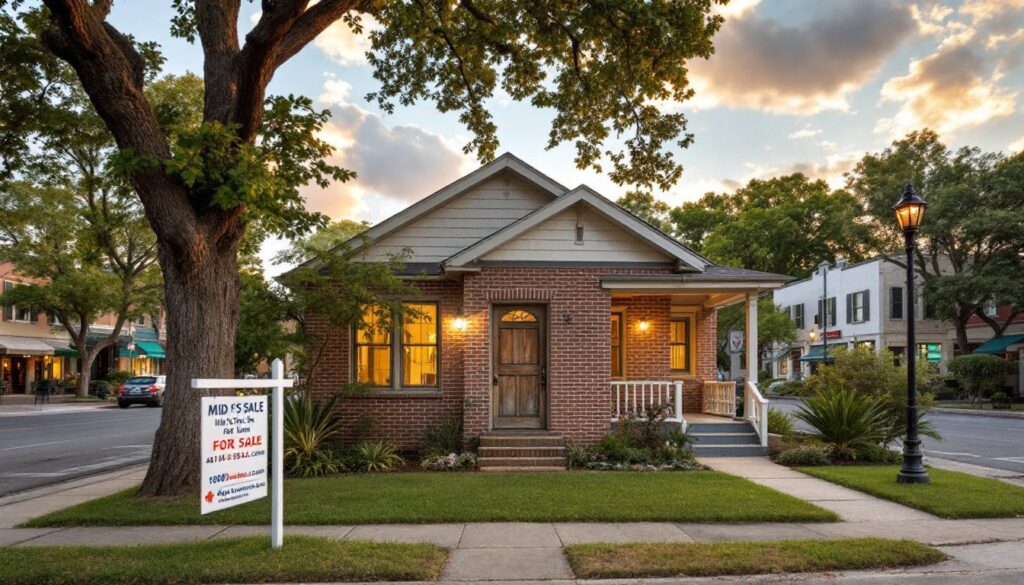


Financing a second home requires more preparation than buying a primary residence. Lenders apply stricter standards, and buyers need larger down payments and stronger credit profiles. Whether the goal is a vacation retreat or a future rental property, understanding how to finance a second home puts buyers in a stronger position to secure favorable terms.
This guide covers the loan requirements, financing options, and approval strategies that help buyers move forward with confidence. Each section provides clear, actionable information to simplify the process.
Table of Contents
ToggleKey Takeaways
- Financing a second home requires a minimum 10-20% down payment and a credit score of 620 or higher, with 700+ scores securing better rates.
- Lenders prefer a debt-to-income ratio below 43% and require two to six months of mortgage reserves for both properties.
- Conventional mortgages are the most common option for second home financing, though rates run 0.25% to 0.50% higher than primary residence loans.
- Home equity loans and HELOCs allow buyers to leverage primary residence equity to finance a second home, but both use your home as collateral.
- Pay down existing debt, boost your credit score, and save at least 20% down to improve approval odds and eliminate private mortgage insurance.
- Get pre-approved before house hunting to identify potential issues early and demonstrate to sellers that you can secure financing.
Understanding Second Home Loan Requirements
Second home loans come with requirements that differ from primary residence mortgages. Lenders view second homes as higher-risk investments, which means stricter qualification standards apply.
Down Payment Expectations
Most lenders require a minimum down payment of 10% for a second home. Some may ask for 20% or more depending on the buyer’s financial profile and the property location. A larger down payment reduces the lender’s risk and often results in better interest rates.
Credit Score Thresholds
Buyers typically need a credit score of 620 or higher for a second home mortgage. But, scores of 700+ open the door to more competitive rates and terms. Lenders use credit scores to assess payment reliability across multiple properties.
Debt-to-Income Ratio
Lenders calculate debt-to-income (DTI) ratio by comparing monthly debt payments to gross monthly income. For second home financing, most lenders prefer a DTI ratio below 43%. This includes the mortgage payment on the primary residence plus the projected payment on the second home.
Cash Reserve Requirements
Many lenders require two to six months of mortgage payments held in reserve. These reserves cover both the primary and second home mortgages. This requirement protects lenders if the buyer experiences income disruption.
Property Usage Rules
Lenders distinguish between second homes and investment properties. A second home must be occupied by the buyer for part of the year and cannot be rented full-time. Investment properties face different, and often stricter, lending requirements.
Financing Options For Your Second Home
Buyers have several paths to finance a second home. The right choice depends on current equity, credit standing, and long-term financial goals.
Conventional Mortgages
Conventional loans remain the most common choice for second home financing. These loans follow guidelines set by Fannie Mae and Freddie Mac. Buyers can choose between fixed-rate and adjustable-rate mortgages based on their preferences.
Fixed-rate conventional mortgages lock in an interest rate for the entire loan term. This provides payment stability over 15 or 30 years. Adjustable-rate mortgages (ARMs) start with lower rates that adjust after an initial period. ARMs suit buyers who plan to sell or refinance within a few years.
Interest rates on second home conventional mortgages typically run 0.25% to 0.50% higher than primary residence rates. Lenders charge more because second homes carry additional default risk.
Home Equity Options
Buyers with substantial equity in their primary residence can tap that value to finance a second home. Two main options exist: home equity loans and home equity lines of credit (HELOCs).
A home equity loan provides a lump sum at a fixed interest rate. Borrowers repay the loan in monthly installments over a set term. This option works well for buyers who know exactly how much they need.
A HELOC functions like a credit card secured by home equity. Borrowers draw funds as needed during a set period, then repay the balance. HELOCs offer flexibility but carry variable interest rates that may increase over time.
Both options use the primary home as collateral. Buyers should consider this risk carefully before proceeding.
Key Factors Lenders Evaluate
Lenders examine several factors when reviewing applications to finance a second home. Understanding these priorities helps buyers prepare stronger applications.
Income Stability
Lenders verify consistent income through pay stubs, tax returns, and employment verification. Self-employed buyers may need two years of tax returns to document earnings. Stable, verifiable income reassures lenders that borrowers can handle multiple mortgage payments.
Existing Mortgage Payment History
Payment history on the primary residence matters significantly. Late payments or defaults raise red flags. Lenders want proof that buyers manage their current mortgage responsibly before approving additional debt.
Total Debt Load
Beyond the DTI ratio, lenders review all outstanding debts. Credit cards, auto loans, student loans, and personal loans all factor into the assessment. Reducing existing debt before applying improves approval odds.
Property Location and Type
Lenders consider where the second home is located. Properties in disaster-prone areas or remote locations may face additional scrutiny. Condos in resort areas sometimes require special reviews of the homeowners association’s financial health.
Rental Income Potential
If the buyer plans to rent the property occasionally, some lenders count projected rental income toward qualification. But, this typically applies only to investment properties. Second homes rented more than 180 days per year may be reclassified, changing the loan terms.
Tips To Improve Your Approval Chances
Buyers can take concrete steps to strengthen their applications when seeking to finance a second home.
Pay Down Existing Debt
Lowering credit card balances and paying off small loans reduces the DTI ratio. Even modest debt reduction can push a borderline application into approval territory.
Boost Credit Scores
Check credit reports for errors and dispute inaccuracies. Avoid opening new credit accounts before applying. Keep credit utilization below 30% of available limits.
Save a Larger Down Payment
A down payment of 20% or more eliminates private mortgage insurance requirements on conventional loans. It also demonstrates financial discipline to lenders.
Gather Documentation Early
Lenders require extensive paperwork. Bank statements, tax returns, W-2 forms, and proof of assets should be organized before starting the application. Complete documentation speeds up the approval process.
Get Pre-Approved First
Pre-approval shows sellers that buyers can secure financing. It also identifies potential issues early, giving buyers time to address problems before making an offer.
Consider a Co-Borrower
Adding a spouse or partner with strong credit and income can improve qualification odds. Combined incomes may support a larger loan amount.