
Energy-efficient homes tips can help homeowners reduce utility costs and shrink their carbon footprint. The average U.S. household spends over $2,000 per year on energy bills, according to the Department of Energy. Much of that money escapes through drafty windows, outdated appliances, and inefficient heating systems.
The good news? Small changes add up. Homeowners don’t need to gut their houses or invest in expensive solar panels to see real savings. This guide covers practical, affordable strategies that make homes more energy-efficient, from sealing air leaks to adopting smarter daily habits. These energy-efficient homes tips work for renters, new homeowners, and anyone looking to cut costs without sacrificing comfort.
Table of Contents
ToggleKey Takeaways
- Sealing air leaks and improving insulation can reduce heating and cooling costs by up to 30%.
- ENERGY STAR appliances and LED lighting significantly cut electricity use—LEDs alone save 75% more energy than incandescent bulbs.
- Programmable or smart thermostats can save homeowners around $180 per year on heating and cooling.
- Simple habits like washing clothes in cold water and unplugging electronics reduce energy consumption at no cost.
- Regular HVAC maintenance keeps systems running 15-25% more efficiently than neglected equipment.
- These energy-efficient homes tips work for renters and homeowners alike without requiring major renovations.
Improve Insulation and Seal Air Leaks
Poor insulation and air leaks account for up to 30% of a home’s heating and cooling costs. That’s money literally flying out the window, or more accurately, through cracks around windows, doors, and electrical outlets.
Check for Common Problem Areas
Air leaks hide in predictable places. Homeowners should inspect:
- Windows and door frames – Hold a lit candle near edges on a windy day. Flickering indicates a leak.
- Electrical outlets and switch plates – Especially on exterior walls.
- Attic hatches and recessed lights – Heat rises, and these spots let it escape.
- Plumbing and wiring penetrations – Any hole drilled through an exterior wall creates a potential leak.
Seal Leaks with the Right Materials
Weatherstripping works well for doors and operable windows. Caulk seals stationary gaps around window frames and baseboards. For larger openings around pipes or wires, expanding foam spray fills the space effectively.
These materials cost between $5 and $20 at most hardware stores. A weekend of sealing can save 10-20% on heating and cooling bills annually.
Upgrade Insulation Where It Matters Most
Attic insulation delivers the biggest return on investment for energy-efficient homes. Heat rises, so an under-insulated attic acts like a chimney, pulling warm air out in winter and letting hot air in during summer.
The Department of Energy recommends R-38 to R-60 insulation for most attics, depending on climate zone. Homeowners can add blown-in or batt insulation themselves, though professionals handle the job faster.
Basement and crawl space insulation also prevents significant energy loss, particularly in colder regions.
Upgrade to Energy-Efficient Appliances and Lighting
Old appliances drain energy and money. A refrigerator from 2005 uses roughly 40% more electricity than a new ENERGY STAR model. Washing machines, dishwashers, and water heaters follow similar patterns.
Look for ENERGY STAR Certification
ENERGY STAR products meet strict efficiency standards set by the EPA. When shopping for new appliances, this label guarantees measurable energy savings. An ENERGY STAR certified refrigerator saves about $100 over its lifetime compared to non-certified models.
Key appliances to prioritize:
- Refrigerators – Run 24/7 and represent 10% of household energy use.
- Washing machines – ENERGY STAR models use 25% less energy and 33% less water.
- Water heaters – Account for about 18% of energy bills. Heat pump water heaters cut that cost significantly.
Switch to LED Lighting
LED bulbs use 75% less energy than incandescent bulbs and last 25 times longer. A single LED bulb saves about $80 in electricity over its lifespan.
Homeowners can replace bulbs gradually, starting with the most-used fixtures. Kitchen lights, living room lamps, and outdoor fixtures make the biggest impact. LED options now include dimmable versions and warm color temperatures that match traditional bulbs.
These energy-efficient homes tips require upfront investment but deliver consistent monthly savings.
Optimize Heating and Cooling Systems
Heating and cooling consume nearly half of a home’s energy. An inefficient HVAC system, or one that works harder than necessary, drives up bills fast.
Maintain HVAC Equipment Regularly
Simple maintenance keeps systems running efficiently:
- Replace air filters every 1-3 months. Clogged filters force systems to work harder.
- Schedule annual professional tune-ups. Technicians catch small problems before they become expensive repairs.
- Clean outdoor condenser units. Remove leaves, grass, and debris that block airflow.
A well-maintained system operates 15-25% more efficiently than a neglected one.
Install a Programmable or Smart Thermostat
Programmable thermostats adjust temperatures automatically based on schedules. Homeowners can set lower temperatures at night and while away at work, then warm up the house before returning.
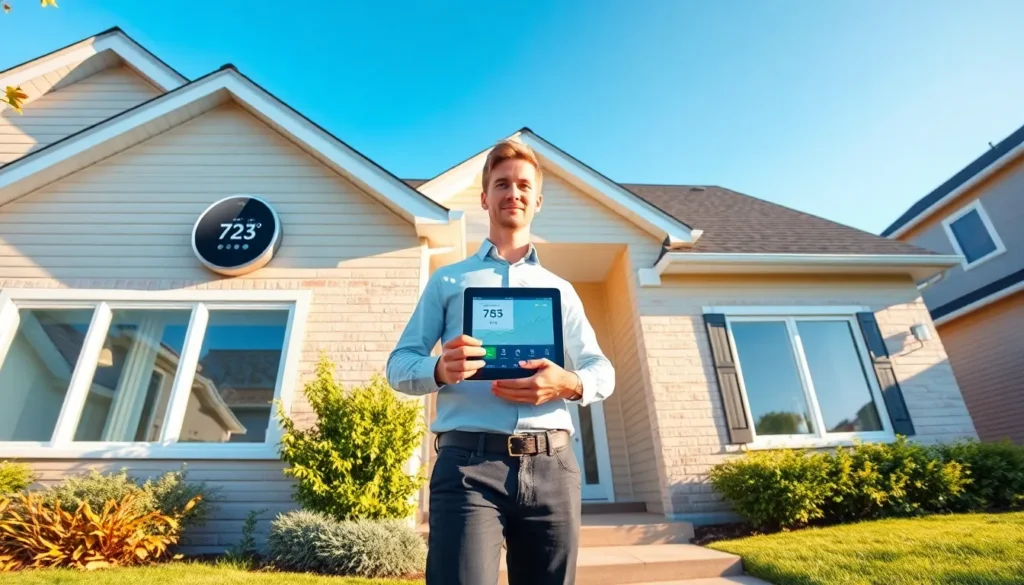
Smart thermostats take this further. Devices like the Nest or Ecobee learn household patterns and optimize settings automatically. They also allow remote control via smartphone, so homeowners never heat or cool an empty house by accident.
The EPA estimates programmable thermostats save about $180 per year on heating and cooling costs.
Use Ceiling Fans Strategically
Ceiling fans don’t cool rooms, they cool people. The breeze creates a wind-chill effect that makes spaces feel 4-6 degrees cooler.
In summer, fans should rotate counterclockwise to push air down. In winter, reverse the direction to circulate warm air that collects near the ceiling. This simple trick reduces reliance on HVAC systems and supports energy-efficient homes year-round.
Adopt Smart Energy Habits Daily
Technology and upgrades help, but daily habits determine real energy consumption. Small behavioral changes compound into significant savings over time.
Unplug Electronics and Use Power Strips
Many devices draw power even when turned off. This “phantom load” or “vampire energy” accounts for 5-10% of residential electricity use. Chargers, gaming consoles, and cable boxes are common culprits.
Smart power strips cut power to devices automatically when not in use. Homeowners can also unplug chargers and small appliances manually when finished.
Wash Clothes in Cold Water
Heating water accounts for 90% of the energy a washing machine uses. Cold water cleans most clothes just as effectively, and it’s gentler on fabrics.
Running full loads also maximizes efficiency. A half-empty washer uses nearly the same energy as a full one.
Adjust Water Heater Temperature
Most water heaters come preset to 140°F, but 120°F works fine for most households. Lowering the temperature saves 4-22% on water heating costs and reduces scalding risks.
Take Advantage of Natural Light and Ventilation
Opening curtains during the day reduces the need for artificial lighting. In mild weather, opening windows instead of running the air conditioner saves energy and improves indoor air quality.
These energy-efficient homes tips cost nothing and become automatic with practice.