
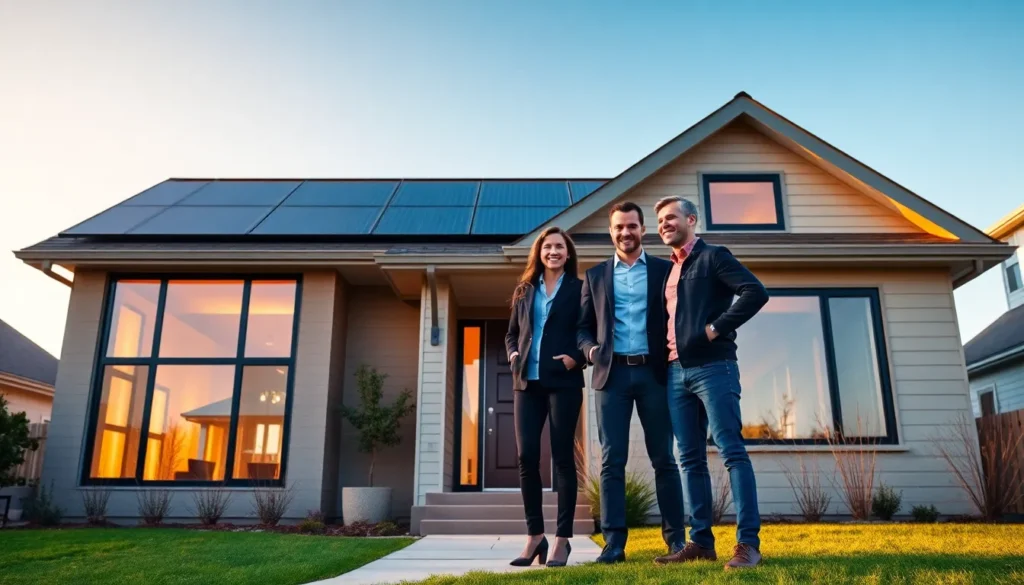

Energy-efficient homes save money, reduce environmental impact, and create more comfortable living spaces. These homes use less energy for heating, cooling, and daily operations than standard buildings. Homeowners across the country are making upgrades and building new homes with efficiency in mind.
This guide covers everything needed to understand energy-efficient homes. It explains what makes a home efficient, which features matter most, and how to start making improvements. Whether someone is buying a new home or upgrading an existing one, this information will help them make smart decisions.
Table of Contents
ToggleKey Takeaways
- Energy-efficient homes cost 20-30% less to operate than standard homes, saving homeowners thousands of dollars over time.
- Proper insulation, air sealing, and high-efficiency HVAC systems are the most impactful upgrades for reducing energy consumption.
- Smart thermostats, LED lighting, and Energy Star appliances offer simple, cost-effective ways to boost home efficiency.
- A professional energy audit helps identify the best improvements and prioritize upgrades by return on investment.
- Federal tax credits and utility rebates can offset 30% or more of energy efficiency project costs.
- Energy-efficient homes sell faster and for 3-5% more than comparable standard homes.
What Makes a Home Energy Efficient
An energy-efficient home uses less power to maintain comfort and perform daily functions. Several factors determine a home’s efficiency rating.
Insulation and Air Sealing
Proper insulation keeps conditioned air inside the home. Walls, attics, and floors need adequate insulation to prevent heat transfer. Air sealing eliminates gaps and cracks where air can escape. Together, these measures reduce the workload on heating and cooling systems.
Energy-efficient homes typically have higher R-values in their insulation. The R-value measures how well insulation resists heat flow. Higher numbers mean better performance.
Windows and Doors
Windows and doors are common weak points in a home’s thermal envelope. Energy-efficient homes use double or triple-pane windows with low-E coatings. These coatings reflect heat while allowing light to pass through.
Weatherstripping around doors prevents drafts. Quality exterior doors with proper seals contribute significantly to overall efficiency.
HVAC Systems
Heating, ventilation, and air conditioning systems account for nearly half of a typical home’s energy use. Energy-efficient homes feature high-efficiency HVAC equipment. Look for units with high SEER ratings for cooling and high AFUE ratings for heating.
Properly sized systems matter too. An oversized unit cycles on and off frequently, wasting energy. A right-sized system runs longer at lower intensity and maintains consistent temperatures.
Key Features and Upgrades to Consider
Homeowners have many options for improving their home’s efficiency. Some upgrades offer better returns than others.
Smart Thermostats
Programmable and smart thermostats optimize heating and cooling schedules. They learn household patterns and adjust temperatures automatically. The EPA estimates smart thermostats can save about 8% on heating and cooling costs annually.
LED Lighting
LED bulbs use 75% less energy than incandescent lights. They also last 25 times longer. Switching to LED lighting throughout a home is one of the simplest efficiency upgrades.
Energy Star Appliances
Appliances bearing the Energy Star label meet strict efficiency guidelines. Refrigerators, washing machines, dishwashers, and water heaters all come in Energy Star versions. These appliances use 10-50% less energy than standard models.
Solar Panels
Solar panel installations have become more affordable in recent years. Many energy-efficient homes generate some or all of their electricity from rooftop solar systems. Federal tax credits and state incentives reduce upfront costs.
Water-Saving Fixtures
Low-flow showerheads, faucets, and toilets reduce water consumption. Less water usage means less energy spent heating water. WaterSense-labeled fixtures maintain performance while using less water.
Tankless Water Heaters
Traditional water heaters keep a tank of water hot continuously. Tankless models heat water on demand. This eliminates standby energy losses and can reduce water heating costs by 24-34% for homes that use less than 41 gallons daily.
Benefits of Living in an Energy-Efficient Home
Energy-efficient homes deliver advantages beyond lower utility bills. The benefits extend to comfort, health, and property value.
Lower Operating Costs
The most obvious benefit is reduced energy spending. Energy-efficient homes typically cost 20-30% less to operate than standard homes. These savings add up to thousands of dollars over a homeowner’s tenure.
Improved Comfort
Better insulation and air sealing eliminate drafts and temperature swings. Rooms stay more consistent throughout the day and across seasons. Many homeowners notice improved comfort before they notice lower bills.
Better Indoor Air Quality
Energy-efficient homes often include mechanical ventilation systems. These systems bring in fresh outdoor air while filtering out pollutants. Proper ventilation reduces humidity, prevents mold growth, and creates healthier living conditions.
Higher Resale Value
Buyers pay premiums for energy-efficient homes. Studies show homes with high efficiency ratings sell faster and for more money. Green certifications like LEED or Energy Star can increase a home’s value by 3-5%.
Environmental Impact
Residential buildings account for about 20% of U.S. energy consumption. Energy-efficient homes reduce carbon emissions and resource use. Homeowners can feel good about their reduced environmental footprint.
How to Get Started With Energy Efficiency Improvements
Starting an efficiency project can feel overwhelming. A structured approach helps homeowners prioritize improvements.
Get an Energy Audit
A professional energy audit identifies where a home loses energy. Auditors use blower door tests, thermal imaging, and inspection to find problems. Many utility companies offer free or discounted audits to customers.
The audit report ranks improvements by cost-effectiveness. This helps homeowners decide which upgrades offer the best return on investment.
Start With Low-Cost Fixes
Some efficiency improvements cost little or nothing. Sealing air leaks with caulk and weatherstripping is inexpensive. Adjusting water heater temperature to 120°F saves energy. Using power strips to eliminate phantom loads reduces waste.
These small changes can cut energy bills by 5-10% with minimal investment.
Plan Larger Upgrades Strategically
Bigger projects like insulation, window replacement, or HVAC upgrades require more planning. Homeowners should time these improvements with other renovations when possible. Replacing a roof? That’s a good time to add attic insulation.
Take Advantage of Incentives
Federal, state, and local programs offer rebates and tax credits for efficiency improvements. The Inflation Reduction Act provides significant tax credits for heat pumps, insulation, windows, and solar panels. Utility companies often run rebate programs as well.
These incentives can offset 30% or more of project costs. Homeowners should research available programs before starting work.


