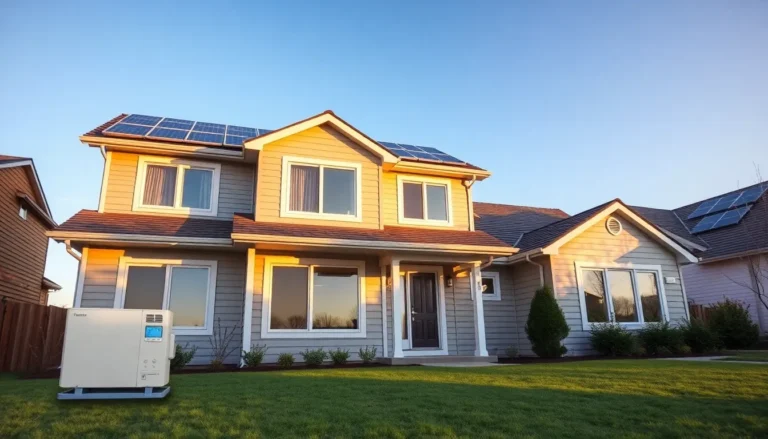

Energy-efficient homes tools help homeowners reduce utility costs and minimize environmental impact. These devices range from basic audit equipment to advanced smart monitors. The right tools can identify energy waste, improve insulation, and optimize heating and cooling systems.
Building an energy-efficient home requires more than good intentions. It demands practical equipment that measures, monitors, and manages energy use. Whether someone is retrofitting an older house or constructing a new one, these tools make the difference between guesswork and real results. This guide covers the essential energy-efficient homes tools every homeowner should consider.
Table of Contents
ToggleKey Takeaways
- Energy-efficient homes tools like thermal cameras, blower door kits, and energy monitors help identify exactly where your home loses energy and wastes money.
- Smart thermostats can reduce HVAC costs by 10-15% by learning household patterns and automatically adjusting temperatures when rooms are unoccupied.
- Air sealing with caulk guns and foam dispensers often delivers the biggest energy savings for minimal investment—sometimes just $10-$50 in materials.
- LED retrofit kits use 75% less energy than incandescent bulbs and last 25 times longer, making them one of the easiest efficiency upgrades.
- Before purchasing energy-efficient homes tools, conduct a basic energy audit by reviewing utility bills and checking for drafts to target actual problems.
- Check with your utility company and state programs for rebates on smart thermostats, insulation materials, and other energy-efficient equipment.
Home Energy Audit Equipment
A home energy audit reveals where a house loses energy. Several tools make this process straightforward and accurate.
Thermal Imaging Cameras
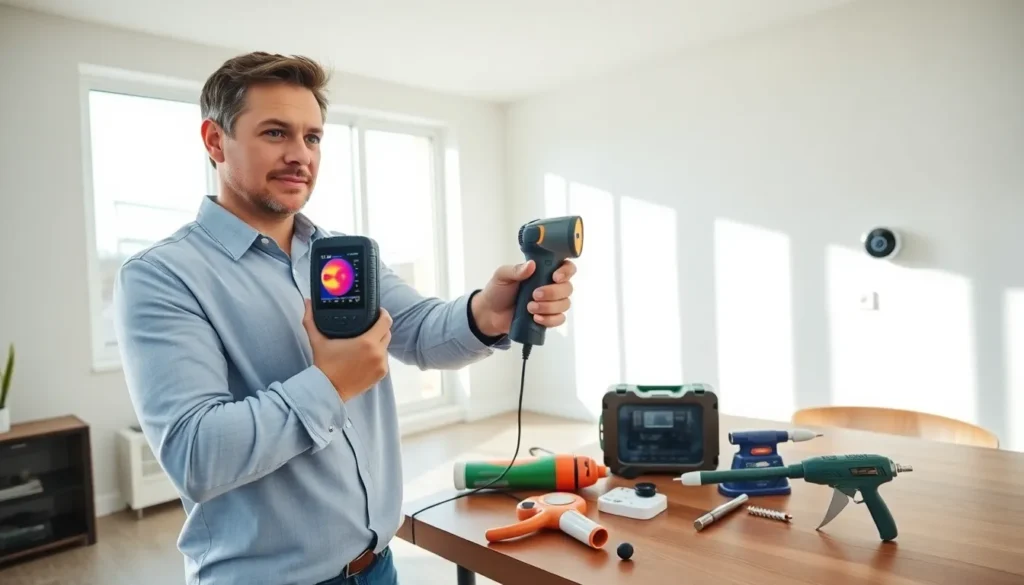
Thermal cameras detect temperature differences in walls, ceilings, and floors. They show exactly where heat escapes during winter or enters during summer. Professional-grade models cost several thousand dollars, but affordable handheld versions start around $200. Some smartphone attachments work surprisingly well for basic assessments.
Blower Door Test Kits
These kits measure a home’s air leakage rate. A powerful fan mounts in an exterior door frame and depressurizes the house. Technicians then use smoke pencils or thermal cameras to locate air leaks. While professionals typically perform blower door tests, DIY kits exist for homeowners who want hands-on data.
Energy Monitors
Plug-in energy monitors track how much electricity individual appliances consume. Whole-house monitors connect to the electrical panel and provide real-time usage data. These energy-efficient homes tools help identify energy hogs that might otherwise go unnoticed. That old refrigerator in the garage? It might be costing $30 per month.
Combustion Analyzers
For homes with gas furnaces or water heaters, combustion analyzers check fuel efficiency and safety. They measure carbon monoxide levels and ensure proper venting. This tool is essential for maintaining both energy efficiency and indoor air quality.
Insulation and Air Sealing Tools
Proper insulation and air sealing form the foundation of any energy-efficient home. The right tools make installation faster and more effective.
Insulation Blowing Machines
These machines distribute loose-fill insulation into attics and wall cavities. Many home improvement stores rent them free with insulation purchases. Blown insulation fills gaps and irregular spaces better than batts, creating a more complete thermal barrier.
Caulk Guns and Foam Dispensers
A quality caulk gun applies sealant around windows, doors, and penetrations. Expanding foam dispensers fill larger gaps around pipes, wires, and ductwork. These simple energy-efficient homes tools eliminate drafts that waste heating and cooling dollars. Professional-grade guns provide better control and less hand fatigue during big projects.
Weatherstripping Tools
Door sweeps, V-strips, and compression weatherstripping require basic cutting and installation tools. A good utility knife, measuring tape, and hammer handle most jobs. Quality weatherstripping dramatically reduces air infiltration at doors and operable windows.
Infrared Leak Detectors
These handheld devices locate cold spots and air leaks quickly. They’re simpler than full thermal cameras but effective for finding problem areas. Many homeowners use them to verify that their sealing work actually stopped the drafts.
Smart Thermostats and Monitoring Devices
Smart technology has transformed how homeowners manage energy use. These devices provide control and insight that traditional thermostats can’t match.
Programmable and Smart Thermostats
Smart thermostats learn household patterns and adjust temperatures automatically. They detect when residents leave and return, avoiding wasted heating or cooling in empty rooms. Popular models like the Nest, Ecobee, and Honeywell Home connect to smartphones for remote control. Studies show these energy-efficient homes tools reduce HVAC costs by 10-15% on average.
Room Sensors
Many smart thermostat systems include remote room sensors. These devices measure temperature and occupancy in different zones. The thermostat then prioritizes comfort where people actually spend time, rather than heating or cooling empty rooms.
Smart Power Strips
Phantom loads, energy drawn by devices in standby mode, waste surprising amounts of electricity. Smart power strips cut power to idle devices automatically. Some detect when a primary device powers off and shut down connected peripherals.
Energy Monitoring Apps
Many utilities now offer apps that track energy consumption in real time. Third-party monitors connect to electrical panels and provide detailed usage breakdowns. These tools help homeowners spot unusual consumption patterns and identify opportunities to save.
Energy-Efficient Lighting and Electrical Tools
Lighting accounts for roughly 10% of residential electricity use. The right tools and products cut this figure significantly.
LED Retrofit Kits
These kits convert recessed can lights to efficient LED technology. Installation takes minutes with basic electrical knowledge. LEDs use 75% less energy than incandescent bulbs and last 25 times longer. That’s a compelling return on investment.
Light Meters
Light meters measure illumination levels in foot-candles or lux. They help homeowners determine if spaces are over-lit, which wastes energy, or under-lit, which affects comfort and productivity. Many smartphone apps provide basic light measurement capabilities.
Circuit Analyzers
These devices plug into outlets and check wiring conditions. They identify reversed polarity, missing grounds, and other issues that affect efficiency and safety. Well-maintained electrical systems operate more efficiently.
Voltage Testers and Multimeters
Basic electrical testing equipment helps homeowners safely install energy-efficient upgrades. Non-contact voltage testers confirm circuits are dead before work begins. Multimeters verify proper installation and troubleshoot problems. These energy-efficient homes tools are essential for any DIY electrical project.
How to Choose the Right Tools for Your Home
Not every homeowner needs every tool on this list. The best approach focuses on specific energy challenges and budget constraints.
Start with an Assessment
Before buying equipment, conduct a basic energy audit. Check utility bills for seasonal patterns. Walk through the house on a cold day and feel for drafts. These observations guide tool purchases toward actual problems rather than theoretical ones.
Consider DIY vs. Professional
Some energy-efficient homes tools require technical expertise. Blower door tests and combustion analysis typically need professional equipment and training. But thermal cameras, insulation tools, and smart thermostats work well for capable DIYers.
Prioritize High-Impact Items
Air sealing and insulation deliver the biggest returns for most homes. A $10 tube of caulk and a $50 can of foam often outperform expensive gadgets. Smart thermostats provide excellent value for homes with older manual controls.
Buy Quality Where It Matters
Cheap caulk guns frustrate users and produce sloppy results. A $15 professional-grade gun makes a real difference. But expensive brand-name weatherstripping often performs identically to budget options. Know where quality counts.
Check for Rebates
Many utilities and state programs offer rebates on energy-efficient equipment. Smart thermostats, insulation materials, and some audit tools qualify for discounts. These programs make better tools more affordable.