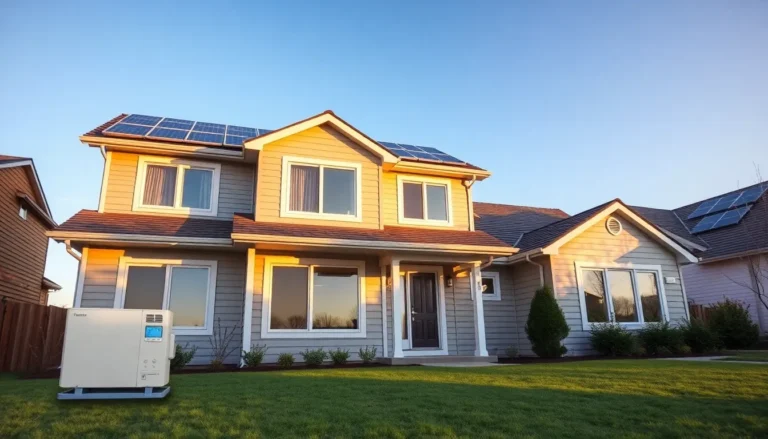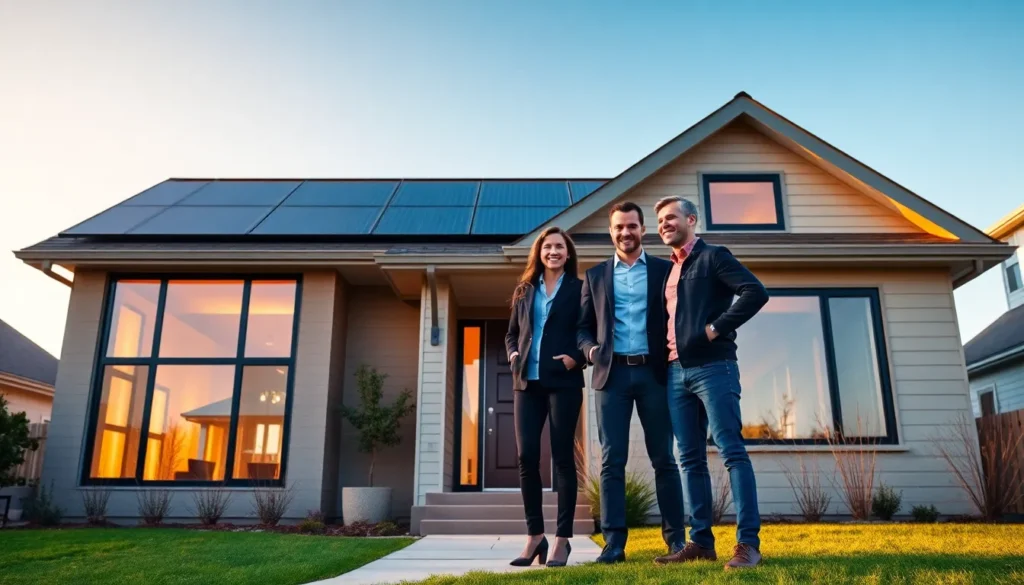

Energy-efficient homes trends 2026 are reshaping how people think about sustainable living. Homeowners, builders, and developers are adopting new technologies, materials, and design principles that cut energy use and lower carbon footprints. The push for energy-efficient homes continues to grow as energy costs rise and climate concerns deepen. This year marks a turning point. Smart technology, passive design, advanced materials, and renewable energy systems are converging in ways that make energy-efficient homes more accessible and effective than ever. Here’s what to expect as these trends take shape.
Table of Contents
ToggleKey Takeaways
- Energy-efficient homes in 2026 rely on AI-powered smart systems that automatically optimize heating, cooling, and appliance use to reduce waste.
- Net-zero and passive house designs are becoming mainstream, offering long-term savings through airtight construction, superior insulation, and on-site renewable energy.
- Advanced materials like aerogel insulation, cross-laminated timber, and phase-change materials make building energy-efficient homes more affordable and effective.
- Solar panels paired with improved lithium-ion battery storage allow homeowners to achieve greater energy independence from the grid.
- Vehicle-to-home (V2H) technology turns electric vehicles into backup power sources, enhancing home energy resilience during outages or peak demand.
- Government incentives and updated building codes are accelerating adoption of energy-efficient homes trends 2026 across new construction projects.
Advanced Smart Home Energy Management
Smart home energy management systems are becoming standard in energy-efficient homes. These systems use sensors, AI-powered software, and connected devices to monitor and control energy use in real time.
In 2026, expect smarter thermostats, lighting systems, and appliances that learn household patterns. They adjust heating, cooling, and power consumption automatically. This reduces waste without requiring manual intervention.
Home energy management platforms now integrate with utility grids. They shift energy-heavy tasks, like running dishwashers or charging electric vehicles, to off-peak hours when electricity is cheaper and cleaner. Some systems even sell excess solar power back to the grid during peak demand.
Voice assistants and mobile apps give homeowners full visibility into their energy use. Dashboards show real-time consumption, historical trends, and projected costs. This transparency helps residents make informed choices about their habits.
Another key development is predictive maintenance. Smart systems detect inefficiencies in HVAC units, water heaters, and other equipment before they become costly problems. Early alerts mean lower repair bills and longer equipment lifespans.
Energy-efficient homes in 2026 treat smart technology as a core feature, not an add-on. Builders are wiring new homes for smart integration from the ground up, making retrofits unnecessary for buyers who want full automation.
Net-Zero and Passive House Designs
Net-zero and passive house designs are gaining ground as leading standards for energy-efficient homes. A net-zero home produces as much energy as it consumes over a year. A passive house uses ultra-low energy for heating and cooling through smart design.
Both approaches prioritize airtight construction, superior insulation, and strategic window placement. In 2026, more architects and builders are adopting these principles, even for mid-range housing projects.
Passive house certification requires homes to meet strict performance targets. Walls, roofs, and floors must prevent heat loss. Windows use triple glazing and thermal breaks. Mechanical ventilation systems recover heat from outgoing air and transfer it to incoming fresh air.
Net-zero homes pair passive design with on-site renewable energy, typically rooftop solar. Battery storage systems hold excess power for nighttime use or cloudy days. The goal is complete energy independence from the grid.
Governments and local authorities are encouraging these designs through tax credits, rebates, and updated building codes. Some regions now require new construction to meet net-zero standards by 2030, pushing builders to adopt energy-efficient homes practices sooner.
The upfront cost of net-zero and passive homes is higher than traditional builds. But, long-term savings on utility bills and maintenance make them financially attractive over time.
Emerging Building Materials and Insulation
New building materials are making energy-efficient homes easier and cheaper to construct. In 2026, builders are turning to sustainable, high-performance products that reduce energy loss and environmental impact.
Aerogel insulation is one standout. This lightweight material offers exceptional thermal resistance in thin layers. It fits into tight spaces where traditional insulation won’t work. Though still expensive, prices are dropping as production scales up.
Cross-laminated timber (CLT) is another trend. CLT panels are strong, fire-resistant, and store carbon. They replace concrete and steel in some projects, cutting embodied energy and construction time.
Vacuum-insulated panels (VIPs) provide high insulation values with minimal thickness. They’re especially useful in renovations where wall depth is limited. VIPs help older homes meet modern energy-efficient homes standards without major structural changes.
Phase-change materials (PCMs) absorb and release heat as temperatures shift. Installed in walls or ceilings, they stabilize indoor temperatures and reduce reliance on heating and cooling systems.
Recycled and bio-based materials are also gaining traction. Insulation made from recycled denim, hemp, or cellulose offers solid performance with lower environmental costs. These options appeal to homeowners who want sustainable choices throughout their build.
Material innovation supports the broader goal of energy-efficient homes by cutting both operational and embodied energy.
Renewable Energy Integration
Renewable energy integration is central to energy-efficient homes trends 2026. Solar panels remain the most popular option, but other technologies are catching up.
Rooftop solar systems are more efficient and affordable than ever. New panel designs capture more sunlight in less space. Bifacial panels, which absorb light on both sides, boost output by up to 20%.
Home battery storage has improved significantly. Lithium-ion batteries are smaller, safer, and hold more charge. Homeowners can store daytime solar energy for evening use, reducing grid dependence and electricity bills.
Some energy-efficient homes now include small wind turbines or geothermal heat pumps. Wind works well in rural or coastal areas with consistent breezes. Geothermal systems tap stable underground temperatures to heat and cool homes with minimal electricity.
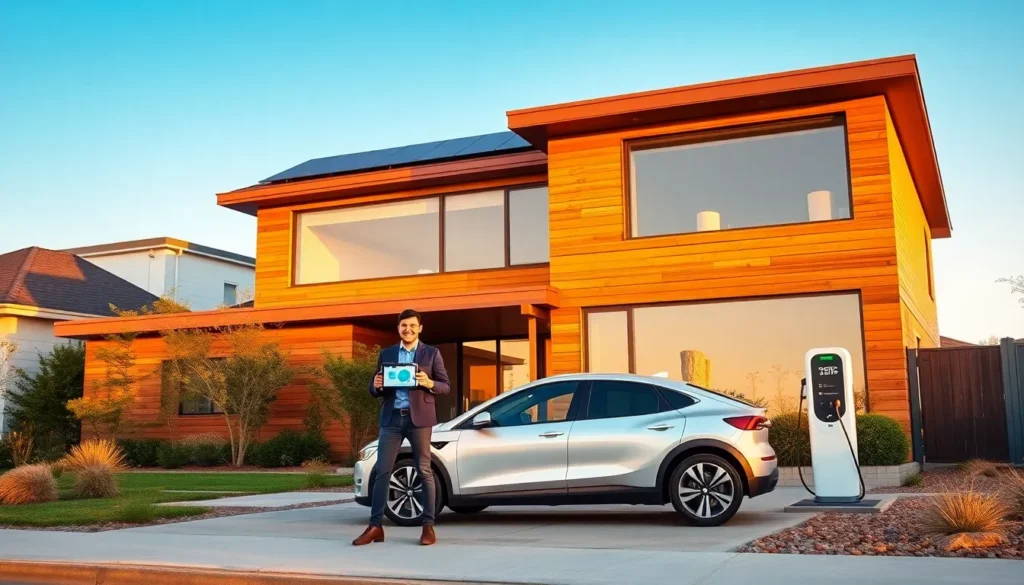
Vehicle-to-home (V2H) technology is emerging as a game-changer. Electric vehicles can feed stored power back into the home during outages or peak demand periods. This turns EVs into mobile energy reserves.
Utility companies are adapting too. Time-of-use pricing encourages homeowners to shift consumption. Virtual power plants aggregate energy from many homes to stabilize the grid and reward participants.
Renewable energy integration makes energy-efficient homes more resilient, cost-effective, and environmentally responsible.