
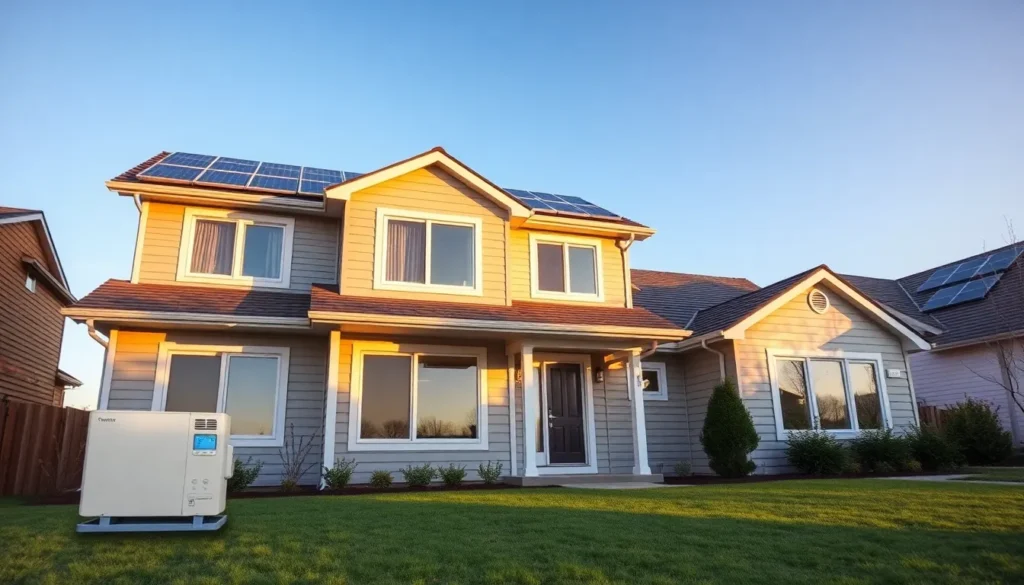

Learning how to create an energy-efficient home saves money and reduces environmental impact. The average American household spends over $2,000 annually on energy bills, and much of that cost comes from preventable waste. Simple upgrades like better insulation, efficient windows, and smart heating systems can cut energy use by 25% or more.
Energy-efficient homes also offer better comfort. They stay warmer in winter, cooler in summer, and maintain more consistent temperatures throughout. Whether someone owns a new build or an older property, practical improvements exist for every budget. This guide covers the most effective ways to boost home energy efficiency, from quick fixes to long-term investments.
Table of Contents
ToggleKey Takeaways
- Creating an energy-efficient home can reduce energy bills by 25% or more through simple upgrades like insulation, efficient windows, and smart HVAC systems.
- Proper attic and wall insulation cuts heating and cooling costs by up to 20%, making it one of the most impactful improvements for energy-efficient homes.
- ENERGY STAR certified windows, appliances, and heating systems meet strict efficiency standards and deliver significant long-term savings.
- Smart thermostats help homeowners save 10-15% on heating and cooling by automatically adjusting temperatures based on household patterns.
- LED bulbs use 75% less energy than incandescent lights and last 25 times longer, offering an easy and affordable efficiency upgrade.
- Solar panels now pay for themselves within 6-12 years, with the federal Investment Tax Credit covering 30% of installation costs.
Improve Your Home Insulation
Insulation acts as a barrier between a home’s interior and the outside temperature. Poor insulation forces heating and cooling systems to work harder, which drives up energy bills. The U.S. Department of Energy estimates that proper insulation can reduce heating and cooling costs by up to 20%.
Attic insulation deserves attention first. Heat rises, so an under-insulated attic lets warmth escape during winter months. Fiberglass batts, blown-in cellulose, and spray foam are common options. Each has different R-values, which measure thermal resistance. Higher R-values mean better insulation.
Wall insulation matters too, especially in older homes built before modern energy codes existed. Blown-in insulation works well for existing walls since installers can add it without major demolition. Basement and crawl space insulation prevents cold air from seeping up through floors.
Air sealing complements insulation. Gaps around windows, doors, electrical outlets, and pipes let conditioned air escape. Caulk and weatherstripping offer inexpensive solutions for these problem areas. A home energy audit can identify exactly where air leaks occur.
Upgrade to Energy-Efficient Windows and Doors
Windows and doors account for 25-30% of residential heating and cooling energy use, according to the Department of Energy. Old single-pane windows transfer heat quickly, making rooms uncomfortable and forcing HVAC systems to compensate.
Double-pane or triple-pane windows provide much better thermal performance. These windows have gas fills, usually argon or krypton, between the glass layers that slow heat transfer. Low-E coatings reflect infrared light, keeping heat inside during winter and outside during summer.
ENERGY STAR certified windows meet strict efficiency guidelines. They’re tested for U-factor (heat transfer rate) and Solar Heat Gain Coefficient (SHGC). Lower U-factors work better in cold climates, while lower SHGC values suit hot climates.
Exterior doors also affect energy efficiency. Fiberglass and steel doors insulate better than solid wood. Proper weatherstripping around door frames prevents drafts. For sliding glass doors, consider models with thermal breaks that reduce heat conduction through the frame.
Window treatments add another layer of protection. Cellular shades trap air in honeycomb pockets, creating insulation. Heavy curtains block drafts and solar heat gain.
Choose Smart Heating and Cooling Systems
Heating and cooling represent the largest energy expense in most homes, about 43% of total utility bills. Upgrading to efficient HVAC equipment offers significant savings.
Heat pumps have become increasingly popular for energy-efficient homes. They move heat rather than generate it, which uses less electricity. Air-source heat pumps work well in moderate climates. Ground-source (geothermal) heat pumps cost more upfront but deliver even greater efficiency since underground temperatures stay consistent year-round.
High-efficiency furnaces and air conditioners carry AFUE and SEER ratings, respectively. A furnace with 95% AFUE converts 95% of fuel to heat. Air conditioners with SEER ratings of 15 or higher qualify as high-efficiency units. Look for ENERGY STAR certification when shopping.
Smart thermostats make any heating and cooling system more efficient. They learn household patterns and adjust temperatures automatically. Many homeowners save 10-15% on heating and cooling by using programmable or smart thermostats.
Regular maintenance keeps systems running efficiently. Clean filters monthly during heavy use seasons. Schedule professional tune-ups annually. Dirty filters and neglected equipment waste energy and shorten system lifespan.
Switch to LED Lighting and Efficient Appliances
Lighting accounts for about 10% of home electricity costs. LED bulbs use 75% less energy than incandescent bulbs and last 25 times longer. They’ve dropped in price significantly, making the switch an easy win for energy-efficient homes.
LED bulbs come in various color temperatures, from warm yellow to cool white. They work with most dimmer switches and fit standard fixtures. Some smart LED bulbs connect to home automation systems, allowing remote control and scheduling.
Appliances represent another major opportunity for energy savings. ENERGY STAR certified refrigerators, dishwashers, washing machines, and dryers use considerably less electricity and water than standard models. A certified clothes washer uses about 25% less energy and 33% less water than regular models.
When shopping for appliances, check the yellow EnergyGuide label. It shows estimated annual operating costs and energy consumption compared to similar models. Sometimes paying more upfront for an efficient appliance saves money over its lifetime.
Small changes add up too. Unplugging devices that draw standby power, called phantom loads, can save $100 or more annually. Smart power strips cut power automatically when devices aren’t in use.
Consider Renewable Energy Options
Solar panels have become the most accessible renewable energy option for homeowners. Installation costs have dropped 70% over the past decade, and many utilities offer net metering. This lets homeowners sell excess electricity back to the grid.
Rooftop solar systems typically pay for themselves within 6-12 years, depending on local electricity rates and available incentives. The federal Investment Tax Credit currently covers 30% of installation costs. Many states and utilities offer additional rebates.
Solar isn’t the only option. Small wind turbines work for rural properties with consistent wind. Solar water heaters preheat water before it enters the main water heater, reducing energy needed to reach desired temperatures.
Battery storage systems pair well with solar panels. They store excess energy generated during daylight hours for use at night or during outages. Prices have decreased as technology improves, though batteries still represent a significant investment.
Even without generating power, homeowners can choose renewable energy through their utility. Many providers offer green power programs that source electricity from wind or solar farms.


