
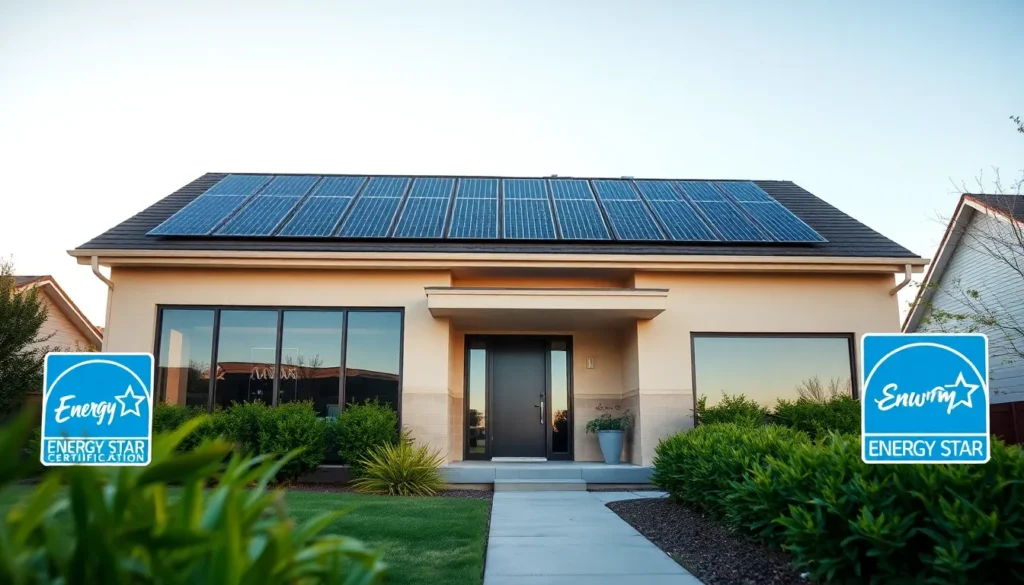

An energy-efficient home uses less energy to perform the same functions as a standard house. These homes reduce electricity and fuel consumption through better design, improved insulation, and modern technology. Homeowners save money on utility bills while reducing their environmental impact.
Energy-efficient homes have become increasingly popular as energy costs rise and climate concerns grow. Whether building new or upgrading an existing property, understanding what makes a home energy-efficient helps homeowners make smarter decisions. This guide covers the key features, benefits, and steps to create an energy-efficient home.
Table of Contents
ToggleKey Takeaways
- Energy-efficient homes reduce electricity and fuel consumption through better insulation, modern HVAC systems, and smart technology.
- Homeowners can lower energy bills by 20-50% by implementing comprehensive energy-efficient upgrades and solar installations.
- Key features of energy-efficient homes include high-quality insulation, double or triple-pane windows, LED lighting, and ENERGY STAR-rated appliances.
- Start improving your home’s efficiency with an energy audit to identify air leaks, insulation gaps, and prioritize cost-effective upgrades.
- Energy-efficient homes sell for 2-8% more than standard homes, making them a smart long-term investment.
- Certifications like ENERGY STAR, LEED, and Passive House verify that homes meet strict energy-efficient standards and may qualify for incentives.
Key Features of Energy-Efficient Homes
Energy-efficient homes share several important characteristics that work together to minimize energy waste. Each feature plays a specific role in reducing consumption and maintaining comfort.
High-Quality Insulation
Insulation acts as a barrier between interior spaces and outdoor temperatures. Energy-efficient homes use insulation in walls, attics, and floors to prevent heat transfer. Proper insulation keeps warm air inside during winter and blocks heat during summer. Common materials include fiberglass, spray foam, and cellulose.
Energy-Efficient Windows and Doors
Windows and doors can account for 25-30% of heating and cooling energy use. Energy-efficient homes feature double or triple-pane windows with low-emissivity coatings. These windows reduce heat loss and block harmful UV rays. Weather-stripped doors prevent air leaks around frames.
Efficient HVAC Systems
Heating, ventilation, and air conditioning systems consume significant energy in most homes. Energy-efficient homes use high-efficiency furnaces, heat pumps, and air conditioners. These systems carry ENERGY STAR ratings and use less electricity to maintain comfortable temperatures. Proper sizing ensures the system matches the home’s needs.
LED Lighting and Smart Controls
Lighting represents about 10% of a typical home’s electricity bill. Energy-efficient homes use LED bulbs that consume 75% less energy than incandescent lights. Smart thermostats and lighting controls adjust settings automatically based on occupancy and time of day.
Renewable Energy Integration
Many energy-efficient homes incorporate solar panels or other renewable energy sources. Solar panels generate electricity from sunlight and can offset or eliminate utility bills. Battery storage systems allow homeowners to use solar energy even after sunset.
Benefits of Living in an Energy-Efficient Home
Living in an energy-efficient home offers multiple advantages beyond lower utility bills. These benefits impact finances, health, and the environment.
Lower Monthly Costs
Energy-efficient homes typically reduce energy bills by 20-30% compared to standard homes. Some homeowners save even more, up to 50%, with comprehensive upgrades and solar installations. These savings compound over time and offset initial investment costs.
Increased Property Value
Buyers actively seek energy-efficient homes in today’s market. Studies show these properties sell for 2-8% more than comparable homes without efficiency features. The appeal of lower operating costs makes energy-efficient homes attractive investments.
Better Indoor Comfort
Proper insulation and efficient HVAC systems maintain consistent temperatures throughout the home. Residents experience fewer drafts, hot spots, and cold zones. Improved ventilation also reduces humidity issues and enhances air quality.
Environmental Impact
Energy-efficient homes produce fewer greenhouse gas emissions. The average U.S. household generates about 7.5 tons of carbon dioxide annually from energy use. An energy-efficient home can cut this figure significantly. Reduced energy demand also decreases reliance on fossil fuels.
Reduced Maintenance
Modern, efficient systems often require less maintenance than older equipment. LED lights last 25 times longer than incandescent bulbs. High-efficiency appliances typically feature better build quality and longer warranties.
How to Make Your Home More Energy-Efficient
Homeowners can transform existing properties into energy-efficient homes through strategic upgrades. Start with the changes that offer the highest return on investment.
Conduct an Energy Audit
A professional energy audit identifies where a home loses the most energy. Auditors use specialized equipment to detect air leaks, insulation gaps, and inefficient systems. The audit report provides a prioritized list of recommended improvements. Many utility companies offer free or discounted audits.
Seal Air Leaks
Air leaks around windows, doors, and electrical outlets waste significant energy. Caulking and weather stripping cost little but deliver noticeable results. Sealing ductwork in unconditioned spaces like attics and basements can reduce heating and cooling costs by up to 20%.
Upgrade Insulation
Adding insulation to attics, walls, and basements improves energy efficiency quickly. Attic insulation offers the best return because heat rises and escapes through inadequate coverage. Most homes benefit from R-38 to R-60 insulation in attic spaces, depending on climate.
Replace Old Appliances
Appliances manufactured before 2000 use considerably more energy than current models. ENERGY STAR-certified refrigerators, washing machines, and dishwashers reduce electricity consumption. A new ENERGY STAR refrigerator uses 40% less energy than a model from 2001.
Install a Smart Thermostat
Smart thermostats learn household patterns and adjust temperatures automatically. They reduce heating and cooling when residents are away or asleep. The EPA estimates programmable thermostats save about $180 annually on energy costs.
Consider Solar Panels
Solar panel costs have dropped 70% over the past decade. Federal tax credits and state incentives make installation more affordable. Many homeowners achieve payback within 6-10 years while generating clean electricity.
Certifications and Standards for Energy-Efficient Homes
Several certification programs verify that homes meet energy-efficient standards. These certifications provide assurance to buyers and often qualify homes for incentives.
ENERGY STAR Certification
ENERGY STAR certified homes perform 10-20% better than standard homes built to code. The certification requires independent verification of insulation, windows, HVAC systems, and air sealing. Over 2 million homes in the United States carry this certification.
LEED Certification
Leadership in Energy and Environmental Design (LEED) evaluates homes across multiple categories. These include energy efficiency, water conservation, materials, and indoor air quality. LEED offers four certification levels: Certified, Silver, Gold, and Platinum.
Passive House Standard
Passive House represents one of the strictest energy-efficient building standards. These homes use up to 90% less heating and cooling energy than conventional buildings. The standard originated in Germany and has gained popularity worldwide.
Net Zero Homes
Net zero energy homes produce as much energy as they consume annually. These homes combine extreme efficiency with renewable energy generation. Solar panels or other systems offset all energy used throughout the year.
Home Energy Score
The Department of Energy’s Home Energy Score rates homes on a scale of 1-10. The score reflects current efficiency and identifies potential improvements. Some cities require this score during home sales.


