
The best energy-efficient homes save money, reduce environmental impact, and provide superior comfort year-round. These homes use less energy for heating, cooling, and electricity through smart design and advanced technology. Whether building new or upgrading an existing property, understanding what makes a home energy-efficient helps buyers and homeowners make informed decisions. This guide covers the essential features, popular designs, and real benefits of energy-efficient living.
Table of Contents
ToggleKey Takeaways
- The best energy-efficient homes reduce utility costs by 30-50% through smart design features like proper insulation, high-performance windows, and efficient HVAC systems.
- Passive House and net-zero designs represent the gold standard, using up to 90% less energy or producing as much energy as they consume annually.
- Look for Energy Star certification, solar panel systems, and LED lighting as key indicators of a truly efficient home.
- Energy-efficient homes offer superior comfort with consistent temperatures, better air quality, and elimination of drafts and hot spots.
- Certified green homes sell for 3-5% more than conventional properties and help prevent 2-4 tons of CO2 emissions per year.
What Makes a Home Energy-Efficient
An energy-efficient home uses less energy to maintain comfort and perform daily functions. Several factors determine a home’s efficiency rating.
Insulation and Air Sealing
Proper insulation keeps conditioned air inside the home. Walls, attics, and foundations need adequate insulation to prevent heat transfer. Air sealing closes gaps around windows, doors, and ductwork. Together, these measures reduce the workload on heating and cooling systems.
High-Performance Windows
Double or triple-pane windows with low-emissivity coatings block heat transfer. These windows keep homes warmer in winter and cooler in summer. Energy Star-rated windows can reduce energy bills by 12% compared to standard models.
Efficient HVAC Systems
Modern heating, ventilation, and air conditioning systems use less energy while delivering better performance. Heat pumps, for example, transfer heat rather than generate it. This approach uses 50% less electricity than traditional electric heating.
Smart Home Technology
Programmable thermostats, smart lighting, and energy monitors help homeowners track and control usage. These devices automate energy-saving behaviors and identify waste.
Top Energy-Efficient Home Designs
Several architectural styles prioritize energy efficiency from the ground up. The best energy-efficient homes incorporate these design principles.
Passive House Design
Passive House (or Passivhaus) is a rigorous building standard from Germany. These homes use up to 90% less heating and cooling energy than conventional buildings. They achieve this through super-insulation, airtight construction, and heat recovery ventilation. Passive House certification requires meeting strict performance thresholds.
Net-Zero Energy Homes
Net-zero homes produce as much energy as they consume over a year. Solar panels, geothermal systems, and exceptional efficiency make this possible. Homeowners pay little to nothing for utility bills. Some even sell excess power back to the grid.
Earth-Sheltered and Berm Homes
These homes use the earth’s natural insulation. Soil-covered roofs or walls maintain stable indoor temperatures. Underground portions stay cool in summer and warm in winter. Construction costs run higher, but lifetime energy savings offset the investment.
Modern Green Building Designs
Contemporary architects integrate efficiency into sleek, modern designs. South-facing windows maximize passive solar heating. Overhangs shade windows during summer months. Open floor plans improve air circulation. These homes prove that energy-efficient homes don’t sacrifice style.
Key Features to Look For
Buyers shopping for energy-efficient homes should examine specific features. These elements separate truly efficient properties from marketing claims.
Energy Star Certification
Energy Star-certified homes meet EPA standards for efficiency. They’re at least 10% more efficient than code-built homes. Independent verification confirms performance. Look for the blue Energy Star label when evaluating properties.
Solar Panel Systems
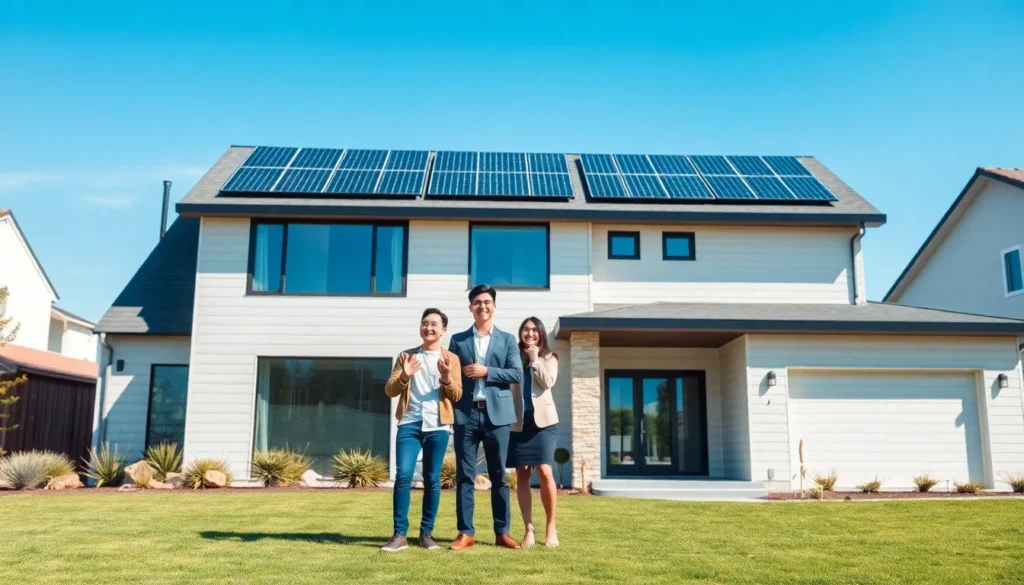
Rooftop solar reduces or eliminates electricity costs. Battery storage systems save excess power for nighttime use. Federal tax credits currently cover 30% of installation costs. The best energy-efficient homes often include solar as standard.
LED Lighting Throughout
LED bulbs use 75% less energy than incandescent lights. They last 25 times longer too. Quality energy-efficient homes feature LED fixtures in every room.
Water-Saving Fixtures
Low-flow toilets, showerheads, and faucets reduce water heating costs. WaterSense-labeled products meet EPA efficiency standards. These fixtures cut water use by 20% or more without sacrificing performance.
Quality Construction Materials
Structural insulated panels (SIPs) and insulated concrete forms (ICFs) outperform traditional framing. These materials create continuous insulation with fewer thermal bridges. They also speed construction time and improve durability.
Benefits of Energy-Efficient Living
Investing in energy-efficient homes delivers returns beyond lower utility bills. Homeowners experience multiple advantages.
Significant Cost Savings
Energy-efficient homes cut utility costs by 30-50% on average. Over a 30-year mortgage, savings can total $30,000 or more. Monthly savings often exceed the additional mortgage payment for efficiency upgrades.
Improved Indoor Comfort
Consistent temperatures throughout the home eliminate hot and cold spots. Better insulation and air sealing block drafts. Humidity control prevents that sticky summer feeling. Occupants simply feel more comfortable.
Better Indoor Air Quality
Modern ventilation systems filter outdoor pollutants and allergens. Tight construction prevents dust and pests from entering. Low-VOC materials reduce off-gassing. These factors create healthier living environments.
Higher Resale Value
Energy-efficient homes sell faster and command premium prices. Studies show certified green homes sell for 3-5% more than comparable conventional properties. Buyers increasingly prioritize efficiency when house hunting.
Environmental Impact
Residential buildings account for 20% of U.S. energy consumption. Energy-efficient homes reduce carbon emissions significantly. A typical efficient home prevents 2-4 tons of CO2 emissions annually. Homeowners contribute to environmental goals without daily effort.