
Energy-efficient homes ideas can cut utility bills by 25% or more while reducing environmental impact. Homeowners across the country are discovering that simple upgrades, from better insulation to smart thermostats, deliver real savings without sacrificing comfort.
The average U.S. household spends over $2,000 annually on energy bills. Much of that money escapes through drafty windows, outdated appliances, and inefficient heating systems. The good news? Most energy-efficient home improvements pay for themselves within a few years through lower monthly costs.
This guide covers practical, proven strategies to make any home more energy-efficient. Whether someone is planning a major renovation or looking for weekend projects, these ideas offer a clear path to a greener, more affordable home.
Table of Contents
ToggleKey Takeaways
- Energy-efficient homes ideas can reduce utility bills by 25% or more while improving comfort and lowering environmental impact.
- Upgrading attic insulation and sealing air leaks delivers one of the highest returns on investment for home energy savings.
- Smart thermostats save approximately $180 per year by automatically adjusting temperatures based on household patterns.
- Switching to LED lighting cuts energy use by 75% and saves an average of $225 annually compared to incandescent bulbs.
- Solar panel costs have dropped 70% over the past decade, with federal tax credits covering 30% of installation expenses.
- ENERGY STAR certified appliances use 10% to 50% less energy, with heat pump water heaters reducing electricity consumption by up to 70%.
Upgrade Your Insulation and Seal Air Leaks
Proper insulation ranks among the most effective energy-efficient homes ideas available. Heat loss through walls, attics, and floors accounts for roughly 30% of a home’s total energy use. Adding or upgrading insulation stops this waste at the source.
Attic insulation delivers the highest return on investment. Hot air rises, so an under-insulated attic acts like an open window in winter. The Department of Energy recommends R-38 to R-60 insulation for most attics, depending on climate zone. Fiberglass batts, blown-in cellulose, and spray foam all work well, each with different costs and installation requirements.
Air sealing works hand-in-hand with insulation. Small gaps around electrical outlets, plumbing penetrations, and window frames let conditioned air escape. A tube of caulk and some weatherstripping can seal most of these leaks in an afternoon. For larger gaps, expanding foam provides an easy fix.
Professional energy audits identify hidden air leaks that homeowners often miss. Auditors use blower door tests and thermal imaging to pinpoint problem areas. Many utility companies offer these audits free or at reduced cost.
Basement and crawl space insulation often gets overlooked. These areas can account for up to 15% of heat loss. Insulating rim joists and foundation walls creates a more comfortable home and reduces energy consumption significantly.
Install Energy-Efficient Windows and Doors
Old single-pane windows waste enormous amounts of energy. Upgrading to energy-efficient windows can reduce heating and cooling costs by 12% to 33%, according to ENERGY STAR. Double-pane or triple-pane windows with low-E coatings block heat transfer while still letting in natural light.
Window frames matter almost as much as the glass itself. Vinyl and fiberglass frames insulate better than aluminum. Wood frames offer good insulation but require more maintenance. The best choice depends on climate, budget, and aesthetic preferences.
Energy-efficient doors prevent drafts and heat loss at entry points. Insulated steel and fiberglass doors outperform solid wood in thermal efficiency. Weatherstripping around door frames should be checked annually and replaced when worn.
For homeowners not ready to replace windows entirely, several upgrades improve efficiency. Storm windows add an extra layer of insulation over existing windows. Window film reflects heat and UV rays. Heavy curtains and cellular shades provide additional insulation, especially at night.
Proper installation ensures new windows and doors perform as designed. Even the best energy-efficient window loses effectiveness if gaps remain around the frame. Professional installation typically costs more upfront but prevents problems down the road.
Switch to Smart Thermostats and LED Lighting
Smart thermostats represent one of the simplest energy-efficient homes ideas to carry out. These devices learn household patterns and adjust temperatures automatically. The EPA estimates that a programmable thermostat saves about $180 per year on heating and cooling costs.
Popular models like Nest, Ecobee, and Honeywell connect to smartphones for remote control. Homeowners can adjust settings from anywhere, ensuring they never heat or cool an empty house. Many smart thermostats also provide energy usage reports that help identify additional savings opportunities.
LED lighting uses 75% less energy than incandescent bulbs and lasts 25 times longer. Replacing every bulb in a home with LEDs saves an average of $225 annually. The upfront cost has dropped dramatically, quality LED bulbs now cost just a few dollars each.
Smart lighting systems take efficiency further. Motion sensors turn lights off in unoccupied rooms. Dimmers reduce energy use when full brightness isn’t needed. Smart bulbs can be scheduled to match household routines or controlled by voice through systems like Alexa or Google Home.
Outdoor lighting offers additional savings potential. Solar-powered landscape lights require no wiring and cost nothing to operate. LED security lights with motion sensors provide safety without running all night.
Consider Solar Panels and Renewable Energy Options
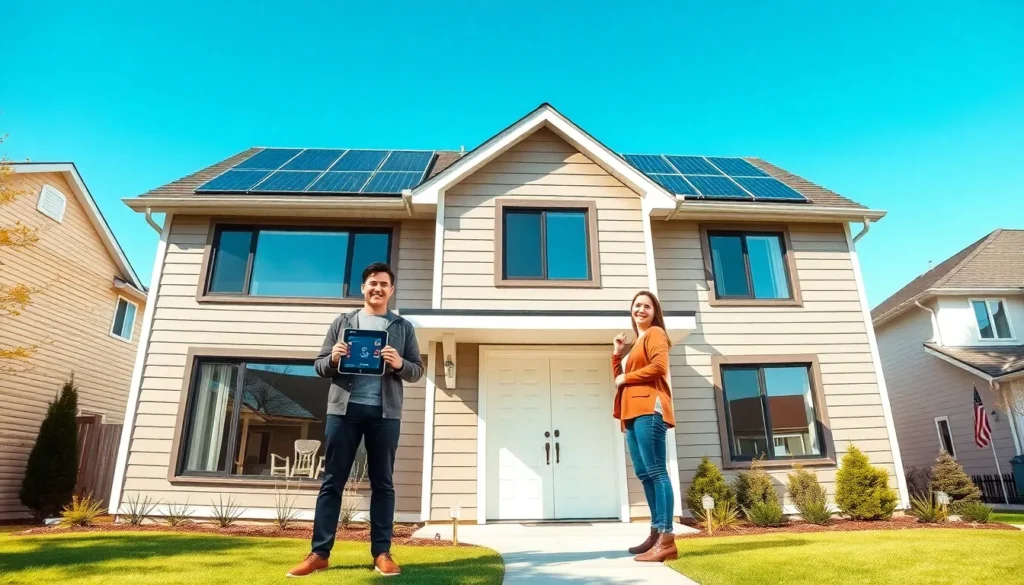
Solar panels have become one of the most popular energy-efficient homes ideas in recent years. Installation costs have dropped 70% over the past decade, making solar accessible to more homeowners than ever. A typical residential system pays for itself in 6 to 10 years through reduced electricity bills.
Net metering programs in many states allow homeowners to sell excess solar power back to the grid. This creates bill credits that offset electricity use during cloudy days or nighttime hours. Some households even eliminate their electric bills entirely.
Federal tax credits currently cover 30% of solar installation costs. Many states offer additional incentives, rebates, or property tax exemptions. These programs significantly reduce the effective cost of going solar.
Geothermal heat pumps offer another renewable option for energy-efficient homes. These systems use stable underground temperatures to heat and cool buildings. While installation costs more than traditional HVAC, geothermal systems cut energy use by 25% to 50% and last twice as long.
Small wind turbines work well for homes on larger properties with consistent wind. Battery storage systems allow homeowners to store solar or wind energy for use when production is low. As battery technology improves, whole-home backup power becomes increasingly practical.
Choose Energy-Efficient Appliances and Water Heaters
ENERGY STAR certified appliances use 10% to 50% less energy than standard models. Refrigerators, dishwashers, washing machines, and dryers all come in high-efficiency versions. The yellow EnergyGuide label shows estimated annual operating costs for easy comparison shopping.
Refrigerators run 24/7, so efficiency matters more here than almost anywhere else. Modern ENERGY STAR refrigerators use about half the energy of models from 20 years ago. When replacing an old fridge, properly recycling the old unit prevents it from wasting energy elsewhere.
Water heating accounts for about 18% of home energy use. Heat pump water heaters use 50% to 70% less electricity than conventional electric models. Tankless water heaters provide hot water on demand without the standby losses of traditional tanks.
Front-loading washing machines use less water and energy than top-loaders. They also extract more water during the spin cycle, reducing dryer time. Pairing an efficient washer with a heat pump dryer maximizes laundry room savings.
Energy-efficient homes ideas extend to smaller appliances too. Induction cooktops transfer heat more efficiently than gas or electric coils. Smart power strips eliminate phantom loads from electronics that draw power even when turned off. Every improvement adds up to meaningful savings over time.