
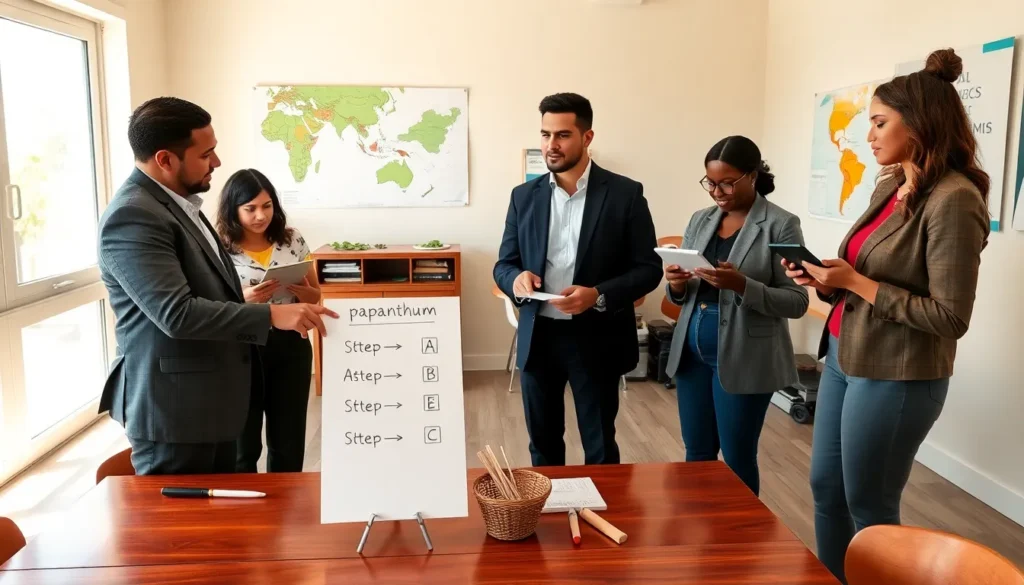

papanthum is a term that describes a focused practice or tradition. It refers to a set of actions and values that people repeat. It appears in written records and oral reports. This article defines papanthum, explains its origin, shows core features, and gives clear steps to use it.
Table of Contents
ToggleKey Takeaways
- Papanthum is a repeatable, practical tradition—pronounced pa-pan-thum—that organizes tasks into a short, efficient sequence for daily and group work.
- Learn papanthum by observing skilled practitioners, starting with simple steps and adding complexity as you gain skill to avoid forming bad habits.
- Use papanthum for routine workshops, kitchens, and gardens to boost focus, speed, and teamwork, but stop if it causes pain or conflicts with formal safety needs.
- Adaptations vary by region: urban groups simplify steps while rural groups preserve longer forms, songs, or pauses based on local needs.
- Choose learning resources that show clear steps and provide feedback—field guides, local workshops, and community groups help ensure correct practice.
What Papanthum Means And How To Pronounce It
papanthum refers to a repeatable method and a cultural practice. It functions as a name for a set of habits and rules. Scholars treat it as both a noun and a practice. People pronounce papanthum as pa-pan-thum, with even stress on the middle syllable. Listeners hear pa-pan-thum or pa-pæn-thəm depending on accent. Writers use the lower-case form for general discussion and the capital form when they name a tradition. The term guides action in daily life for some groups.
Historical Origins And Cultural Context
Historians trace papanthum to rural communities in coastal regions. These communities used the term in household records from the 1800s. Travelers recorded the practice in short notes and lists. The practice linked to communal labor and simple craft. It spread by trade routes and family ties. Anthropologists found oral versions in nearby inland villages. The practice adapted as people moved to towns. Migrants kept core actions and changed the sequence to fit new schedules. Cultural groups kept papanthum as a marker of identity and routine.
Core Characteristics And Variations
Papanthum has a short list of core characteristics. It involves sequence, rhythm, and a practical goal. Practitioners follow step A, step B, then step C. The steps aim for efficiency and social cohesion. Variations appear by region and by household need. Some groups add a quiet pause between steps. Others add a short song or chant. Urban practitioners simplify the steps and keep the goal. Rural practitioners keep longer forms and local phrases. Teachers record the variations in short manuals and lists.
How To Practice Or Use Papanthum
People learn papanthum by watching and by practice. They start with simple tasks and add steps as they gain skill. The method suits daily routines and group tasks. It works in workshops, kitchens, and gardens.
Benefits, Risks, And When To Avoid It
Practice of papanthum gives clear benefits. It improves focus and task speed. It builds teamwork and local ties. It reduces small errors in common tasks. It creates a shared routine that people can trust. Risks occur when people use the method without guidance. They may repeat a step incorrectly and form a bad habit. They may apply the method in a task that needs a different approach. People should avoid papanthum when a task needs quick innovation or formal safety procedures. People should stop the practice if it causes pain or stress. A teacher should check form when risks appear.
Common Misconceptions And Clarifications
Many assume papanthum is rigid and slow. The practice adapts quickly. Many assume only elders can lead it. Younger people can learn and lead. Some think papanthum needs special tools. It often needs no tool beyond what a household already has. People confuse papanthum with unrelated local rituals. The two can share words but they serve different aims. Teachers clarify that papanthum aims at practical results, not ceremony.
Resources For Learning More (Books, Courses, Communities)
Readers can find short guides and community groups online. Local libraries sometimes hold field notes and manuals that include papanthum. Universities publish articles that analyze the practice in context. Workshops and small community courses teach hands-on steps. Online forums host short videos and step lists. They can join a local group to practice live. Recommended sources include field guides, short course listings, and community pages that show steps. Readers should pick a source that shows clear steps and offers feedback during practice.