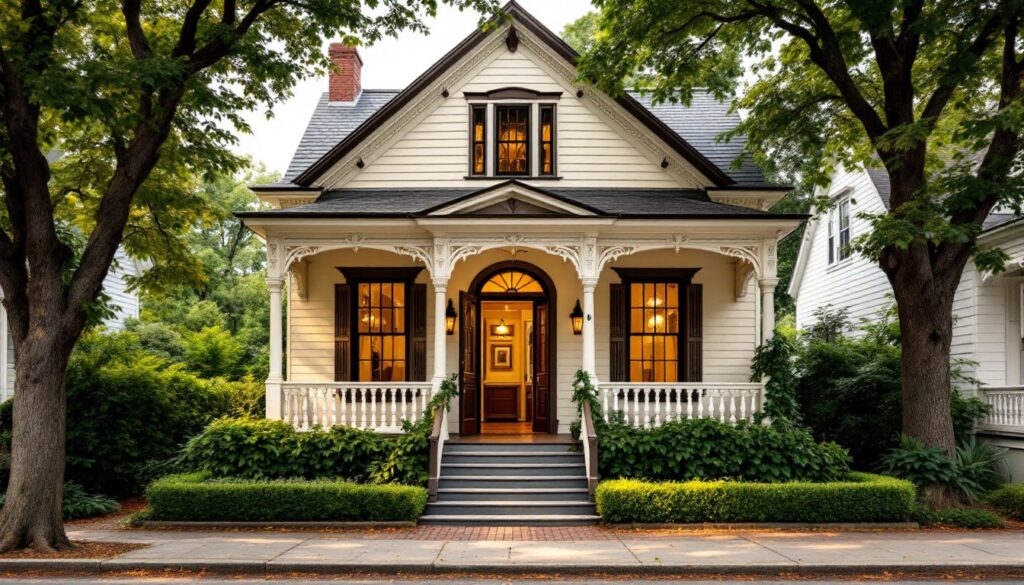

Small Victorian homes pack charm into tight square footage, but they’re a different challenge than cookie-cutter modern layouts. If you own or’re considering buying one of these period properties, you’ll navigate narrow hallways, low ceilings, small closets, and original finishes that range from beautiful to dated. The good news: Victorian bones are solid, and thoughtful renovations can blend modern comfort with historic character. Whether you’re preserving architectural details or updating mechanicals, understanding what makes these homes tick helps you make smart decisions, and avoid expensive missteps.
Table of Contents
ToggleKey Takeaways
- Small Victorian homes (1,200–2,000 sq ft) feature solid bones with load-bearing walls, decorative trim, and original finishes that require thoughtful renovation strategies to preserve historic character while adding modern comfort.
- Test for asbestos and lead paint before any renovation work, especially in homes built before 1978, and identify knob-and-tube wiring early as it poses fire risk and cannot safely power modern electrical loads.
- Maximize compact Victorian spaces by removing non-load-bearing walls only, building fitted shelving in nooks, and using lighter paint colors and layered lighting to open rooms visually without demolition.
- Prioritize electrical, plumbing, and HVAC upgrades with licensed professionals—replacing knob-and-tube wiring, upgrading to copper or PEX water lines, and choosing baseboard or heat pump systems that preserve wall space.
- Preserve original Victorian details like hardwood floors, stained glass, mantels, and trim while updating kitchens and bathrooms with modern fixtures that fit the tight square footage and keep the space functionally defined.
- Balance historic aesthetics with contemporary living by using period-appropriate lighting (sconces, pendant lights), proportional furniture, and accent walls in deeper tones while keeping the rest of the space in warm whites or pale colors.
Understanding Small Victorian Architecture
Key Architectural Elements and Charm
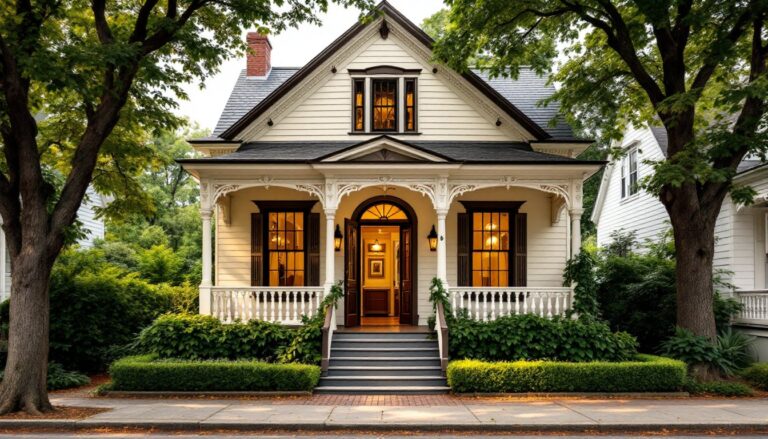
Victorian homes, typically built between 1837 and 1910, lean on ornamental detail and craftsmanship. In smaller footprints, often 1,200 to 2,000 square feet, these qualities become both asset and liability. Load-bearing walls divide rooms into smaller chambers, crown molding and picture rails consume wall space, and bay windows jut into already-tight floor plans.
Common features you’ll spot: gabled roofs, decorative trim, arched doorways, hardwood floors, plaster walls, and multi-pane windows with pulleys. Many have parlors (formal living rooms), dining rooms separate from kitchens, and bedrooms that feel like closets by today’s standards.
These elements tell a story about how Victorians lived, formally, compartmentalized, and without open-concept flow. Before you demo a wall or remove trim, understand that original plaster, wood joinery, and paint layers often contain asbestos or lead (especially homes built before 1978). Testing before work is non-negotiable. Many Victorian homes also have knob-and-tube wiring, which poses fire risk and won’t handle modern loads, another early discovery priority.
Interior Design Strategies for Compact Victorian Spaces
Maximizing Space While Preserving Period Character
The temptation to rip out walls and create an open kitchen-living hybrid is real, but irreversible. Consider half-measures first. Removing non-load-bearing interior walls (an inspector must confirm this) opens sightlines without compromising structure. Opening a doorway between a parlor and dining room, or removing a closet wall in a bedroom, gains function while keeping walls intact.
Storage is critical in small Victorians. Closets in 1890s homes average 3 by 4 feet, laughable by modern standards. Build fitted shelving in unused nooks. Install base cabinets under windows in bedrooms. Use tall bookcases to anchor furniture and add visual interest without feeling cramped.
Color and light matter enormously. Lighter paint on walls and trim opens rooms visually. Victorians often came with dark, heavy wallpaper: pale or white-painted plaster refreshes instantly. Layered lighting, ceiling fixtures, sconces, and table lamps, replaces single overhead lights and lets you adjust mood. Original stained glass and transom windows are keepers: clean them instead of replacing. Small spaces from Apartment Therapy often rely on vertical storage and light colors to feel bigger, and the same principle applies here.
Essential Victorian Home Renovations and Updates
Modern Improvements Without Losing Historic Appeal
Electrical and plumbing upgrades are non-negotiable. Knob-and-tube wiring won’t safely power a modern kitchen: a licensed electrician needs to run new circuits in walls (rough-in) and install modern boxes and outlets. This is not a DIY job if you can’t identify existing wiring. Similarly, cast-iron drain lines deteriorate over 100+ years: copper or PEX (cross-linked polyethylene) water lines are more reliable than old galvanized steel.
HVAC in a small Victorian is tricky. Baseboard or wall-mounted units preserve walls better than central ducting (which tears through ceilings and joists). Heat pumps are efficient and quieter than window units. If adding ductwork, route it through attic or basement crawlspaces where possible.
Roof, foundation, and window repairs come next. Check the roof for missing shingles or rot in the decking. Inspect basement corners for water intrusion. Single-pane windows leak heat: storm windows add insulation without removing historic glass, they’re cheaper and reversible. Advocates at Bob Vila emphasize that foundation and roof issues compound fast: addressing them early saves thousands later.
Kitchen and bath updates are where most budgets go. A Victorian kitchen with original cabinets and 1970s linoleum needs work. Keep the footprint small, tear out walls, and you lose spatial definition. Instead, replace cabinets, add a stainless steel sink, upgrade to a modern cooktop, and refresh tile or flooring. Bathrooms benefit from moisture-resistant drywall (not plaster), updated ventilation, and modern fixtures that fit the tight square footage.
Decorating Your Small Victorian Home
Victorian interiors don’t mean dark velvet and clutter. Modern Victorian style balances historic bones with contemporary comfort. Pair original hardwood or period-appropriate flooring (or good subfloor prep under new flooring) with neutral walls, then layer in color through textiles and art.
Preserve trim, mantels, and doors when possible. A freshly painted fireplace surround becomes a focal point. Hang mirrors opposite windows to bounce light. Avoid oversized furniture, a Victorian parlor can’t absorb a 8-foot sectional. Instead, choose proportional pieces: a settee, wingback chairs, a small writing desk.
Original details, stained glass, pressed tin ceilings, hardwood, are assets. Don’t cover them. If wallpaper is original and in good condition, test for lead paint before touching it. If it’s deteriorated, remove it and paint instead.
Historic paint colors lean toward deeper tones: sage green, deep blue, mustard, muted burgundy. But in small rooms, these work best on accent walls: elsewhere, warm whites or pale versions of those colors keep space feeling open. The Belmont Victorian House on This Old House demonstrates how thoughtful, period-informed updates can honor a home’s architecture while making it livable today.
Lighting design is decorative too. Pendant lights over a kitchen island or sconces flanking a bathroom mirror look right for the era and work better than modern track lighting. Wall sconces with fabric shades or gas-style fixtures echo period aesthetics. Keep cords and modern ceiling fixtures minimal and unobtrusive.