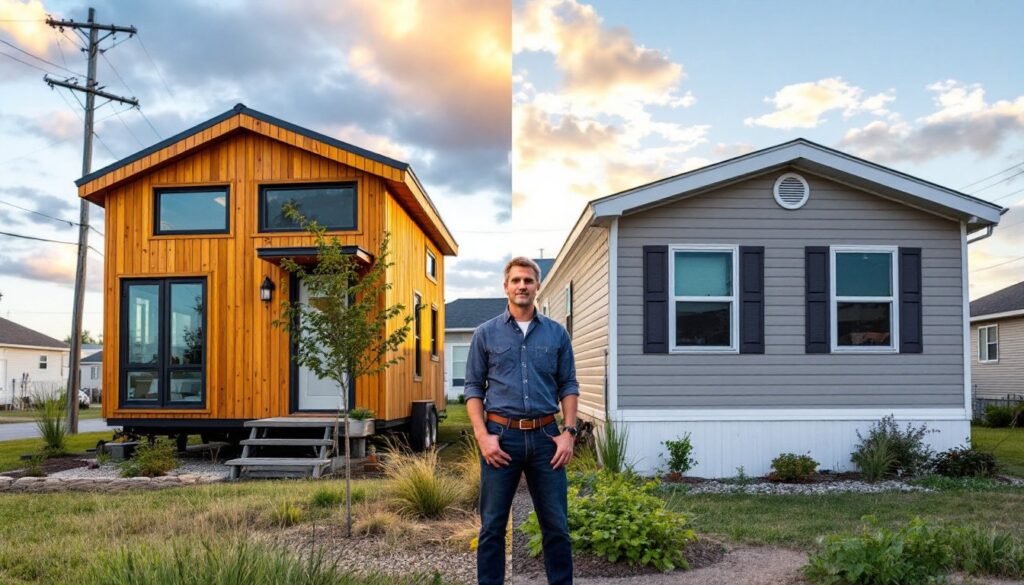

The rise of compact living has created real confusion between two very different housing options: tiny houses and mobile homes. Sure, they both champion downsizing and lower costs, but the similarities end there. A tiny house built on a permanent foundation offers you control over design and long-term value, while a mobile home (or manufactured home) gives you flexibility and affordability upfront. If you’re exploring smaller footprints for financial freedom, environmental reasons, or just tired of maintaining a sprawling house, understanding these key differences will save you money and regret down the road. This guide breaks down construction, costs, zoning, and lifestyle factors so you can make an well-informed choice.
Table of Contents
ToggleKey Takeaways
- Tiny houses are custom-built structures with permanent foundations that offer better long-term value and appreciation, while mobile homes are factory-constructed and depreciate 10–20% in early years.
- Mobile homes have a significantly lower entry cost ($50,000–$150,000) compared to tiny houses ($100,000–$300,000+), but over 20 years, rising lot rents and depreciation can make them more expensive than land-owned tiny houses.
- Tiny houses face major zoning and permitting challenges in most municipalities, requiring local attorney consultation, while mobile homes are federally regulated under HUD Code but still subject to local placement restrictions.
- Mobile homes retain genuine relocation flexibility at lower costs ($3,000–$8,000), whereas moving a tiny house on wheels requires $10,000–$30,000 and professional movers, though most owners keep both stationary long-term.
- Choose a tiny house if you can secure financing, navigate zoning legally, and plan to stay 10+ years to build equity; choose a mobile home if you prioritize lowest upfront costs and want flexibility to relocate or upgrade.
- Walk through used examples of both housing options, spend time in rentals, and interview current owners about lot rent increases and resale experiences before committing to either tiny house or mobile home living.
Key Differences Between Tiny Houses and Mobile Homes
Construction, Design, and Build Quality
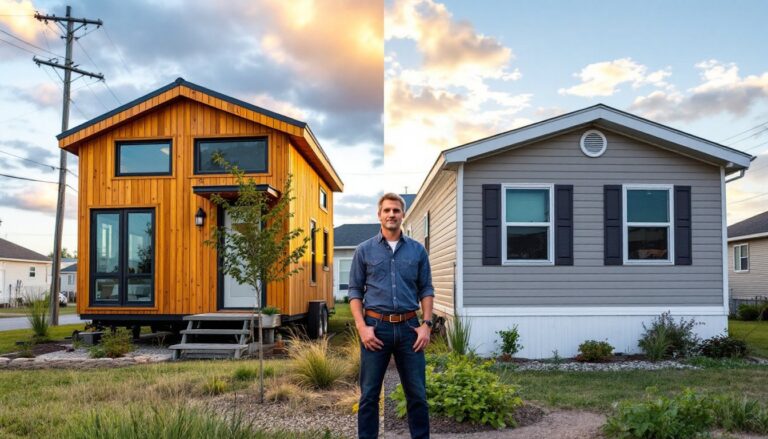
Tiny houses are custom-built structures, typically on a permanent foundation or trailer, engineered to your specifications. They’re usually 400 square feet or less (some building codes cap them at 500 square feet) and meet local building codes like the International Residential Code (IRC). Most tiny houses are constructed either on-site or by small builders who work directly with you on design details. This means quality materials, custom layouts, and adherence to structural and electrical standards. You’re essentially building a home: the process is slower and more expensive upfront, but you’re investing in a properly inspected property.
Mobile homes (officially called manufactured homes in the U.S., built after 1976) are factory-constructed under the HUD Code, a federal standard that differs from local building codes. They’re built in an assembly-line environment, which cuts labor costs dramatically. Most mobile homes range from 600 to 1,400 square feet. While modern manufactured homes meet safety standards, they don’t always offer the same customization or longevity as site-built tiny houses. The frame, materials, and systems are standardized, you choose from available floor plans rather than designing from scratch.
The bottom line: tiny houses prioritize custom design and local compliance: mobile homes prioritize factory efficiency and affordability.
Mobility and Relocation Flexibility
Tiny houses built on trailers (like many THOW designs) are technically mobile, but relocating one isn’t casual. Moving a tiny house on wheels requires professional movers, permits, route planning, and insurance. It can cost $10,000–$30,000 depending on distance and local regulations. Most owners park their tiny houses on permanent foundations once sited: they become stationary dwellings.
Mobile homes are actually mobile by design. They come with a chassis and axles and are meant to be towed during their initial delivery. Relocating an existing mobile home is far cheaper (typically $3,000–$8,000) and more common, though heavy equipment rental and professional setup are still required. But, frequent moves damage undercarriage systems and skirting, so most mobile home owners also keep them stationary. That said, the option to move, or upgrade to a newer model, carries real psychological and practical value for some families.
The reality: both usually stay put, but mobile homes retain genuine relocation flexibility at lower cost.
Cost Comparison: Purchasing and Long-Term Expenses
Purchase price heavily favors mobile homes. A new or used manufactured home typically costs $50,000–$150,000 depending on size and condition. Tiny houses run $100,000–$300,000+, even used, because you’re paying for custom construction or premium finishes.
But purchase price is only the start. Let’s talk ownership costs:
- Land: Tiny houses usually require you to own land or secure long-term land lease. That’s a major expense in most markets. Mobile homes often sit on leased lots in parks, costing $300–$1,000+ monthly in lot rent, which adds up to $3,600–$12,000 yearly.
- Property taxes: Tiny houses on permanent land are taxed as real property. Mobile homes are taxed differently (sometimes lower, sometimes bundled with lot rent), varying wildly by state.
- Insurance: Tiny house homeowners insurance costs $800–$1,200 annually. Manufactured home insurance (often combined with lot rent) typically runs $600–$1,000 annually.
- Depreciation: Here’s the tough part. Mobile homes depreciate, often losing 10–20% of value in the first few years. Tiny houses hold value better if sited on owned land, but a tiny house on rented land also depreciates.
Over 20 years, a mobile home in a park with rising lot rents becomes expensive. A tiny house with owned land becomes an asset. Run the math for your specific situation, don’t assume lower sticker price means lower total cost.
Financing also differs. Tiny houses are harder to finance because lenders view them as unconventional. Mobile homes use chattel loans (personal property), which carry higher interest rates (8–12%) than mortgages (5–7%). Some banks won’t finance manufactured homes at all, forcing cash purchases or credit unions.
Zoning, Regulations, and Legal Considerations
This is where things get legally thorny, and zoning laws vary wildly by jurisdiction.
Tiny houses face the biggest regulatory headwind. Many municipalities don’t have zoning codes that explicitly allow them. Some cities cap dwelling sizes, require minimum lot widths, or won’t permit residential structures under a certain square footage. A few progressive areas (Portland, Oregon: parts of California: some progressive counties) have updated codes to allow Accessory Dwelling Units (ADUs) or tiny houses, but you still need local approval. Setback requirements, parking mandates, and utility connections all depend on your locality. Before buying land or a tiny house, hire a local zoning attorney or contact your planning department, this step cannot be skipped.
Mobile homes are regulated under HUD Code at the federal level, but placement is still governed by local zoning. Mobile home parks have their own rules set by park management. If you’re placing a manufactured home on private land (“outside park”), local zoning still applies, and rural areas are often more permissive. The federal standard means manufactured homes clear safety thresholds across all states, but local acceptance remains variable.
Permits and inspections: Tiny houses require building permits and inspections like any home. Mobile homes require HUD certification and transport permits but may skip some local building inspections, depending on your area. Always confirm what permits and inspections your county or municipality requires. Skipping this step can void insurance claims or create legal liability if you later sell.
Lifestyle Fit: Interior Space, Customization, and Resale Value
Interior layout and customization is where personal preference shines. Tiny houses let you design every detail: loft height, kitchen layout, material finishes, insulation level. You’re working with an architect or designer to maximize your specific lifestyle. Many tiny house owners invest in premium appliances, solar systems, or radiant floor heating because the small footprint makes upgrades cost-effective. The customization process builds emotional investment, you’re not just buying a home: you’re crafting one.
Manufactured homes come in fixed layouts. You pick from available floor plans and exterior colors. Some factories allow minor upgrades (appliance grade, carpet selection), but major reconfigurations aren’t options. If the standard floor plan doesn’t match your workflow or aesthetic, you’re compromising.
That said, manufacturers continue improving designs. Exploring tiny house resources and home decoration inspiration can help you envision what’s possible in either format.
Resale value is the uncomfortable truth. A tiny house on owned land, properly built and permitted, can appreciate like any real estate, especially in desirable markets. But, a tiny house on leased land or that doesn’t comply with local codes becomes a liability. Financing and insurance headaches scare away buyers.
Manufactured homes depreciate. A 5-year-old mobile home might fetch 60–70% of its original purchase price. But, demand for affordable housing is strong in some markets, so a well-maintained, newer mobile home can move quickly, just not for a profit. If you plan to stay 10+ years and build equity, a tiny house on owned land wins. If you want low entry costs and flexibility, a mobile home makes sense even though depreciation.
For design inspiration and project planning, home improvement resources and renovation ideas can spark solutions for either option.
Which Option Is Right for You?
Choose a tiny house if you:
- Want to own land and build equity long-term.
- Can secure financing or pay cash upfront.
- Are willing to navigate zoning and permitting (hire a lawyer if needed).
- Value custom design and control over finishes.
- Plan to stay 10+ years in a location.
- Live in or are moving to a jurisdiction with progressive zoning for small dwellings.
Choose a mobile home if you:
- Want the lowest possible entry cost.
- Prefer flexibility to move or upgrade your dwelling in the future.
- Are comfortable with leasing land in a park or rural setting.
- Don’t mind fixed floor plans and standard finishes.
- Prioritize immediate affordability over long-term equity.
- Live in an area where lot rent is stable and mobile home communities are well-established.
The honest assessment: tiny houses promise ownership and appreciation but require upfront capital, legal legwork, and location commitment. Mobile homes deliver affordability and simplicity but saddle you with depreciation and lot-rent inflation. Neither is universally “better”, it depends on your finances, timeline, and tolerance for zoning battles.
Before deciding, walk through used examples of both. Spend a night in a tiny house rental. Tour mobile home communities. Talk to owners about lot rent increases, resale experiences, and unexpected costs. The difference between a smart choice and a costly mistake often comes down to due diligence, not preference.