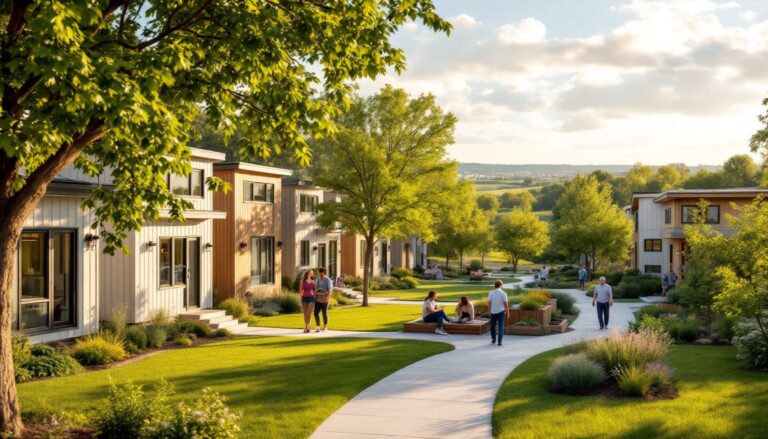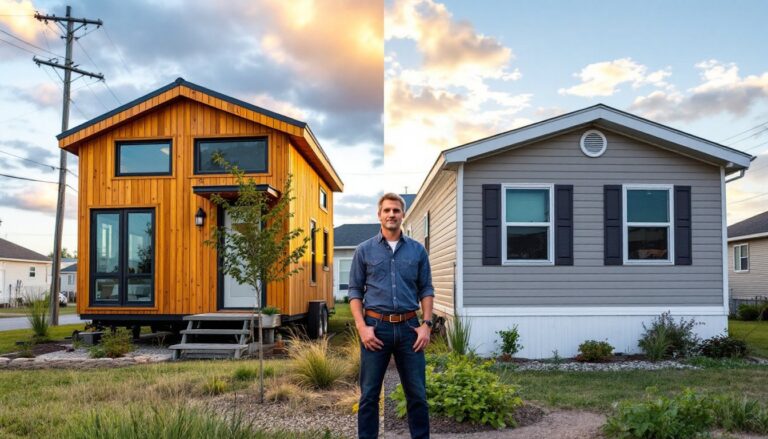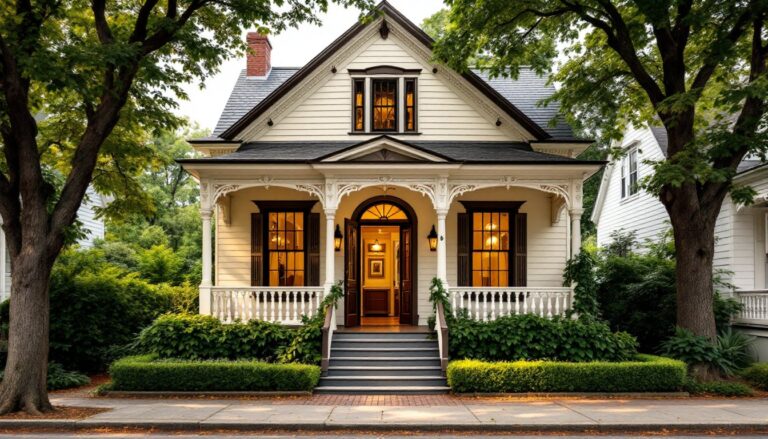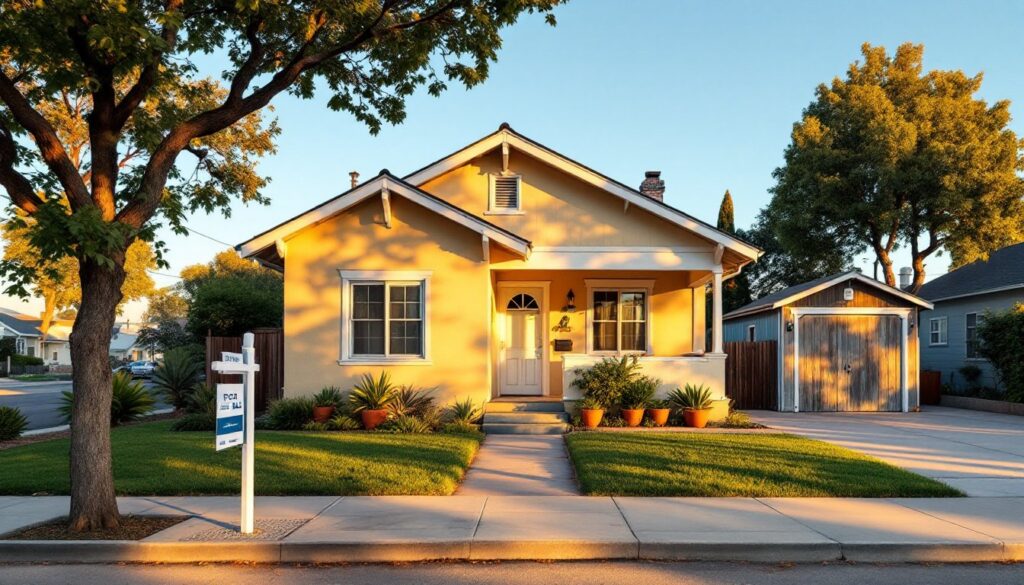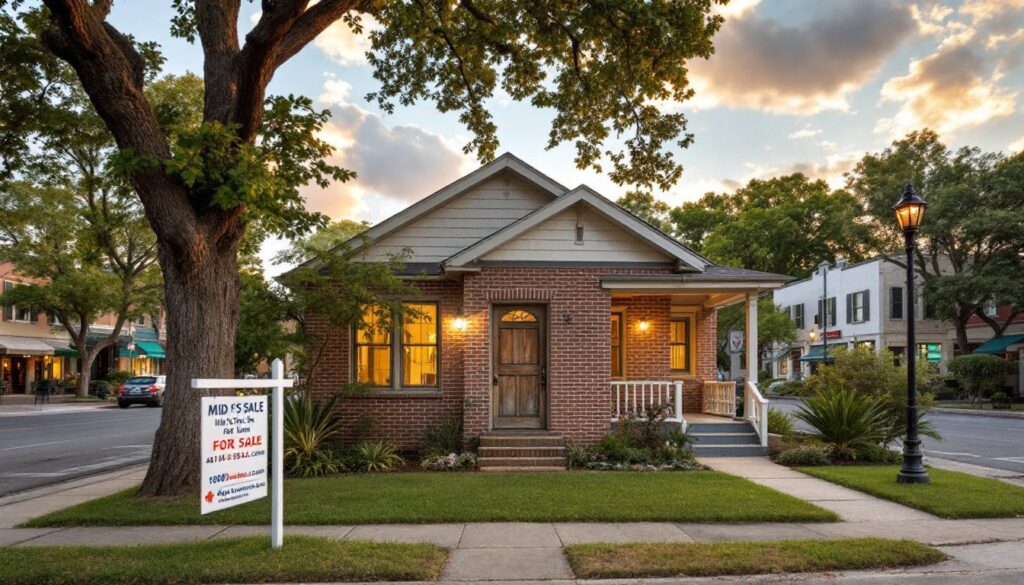
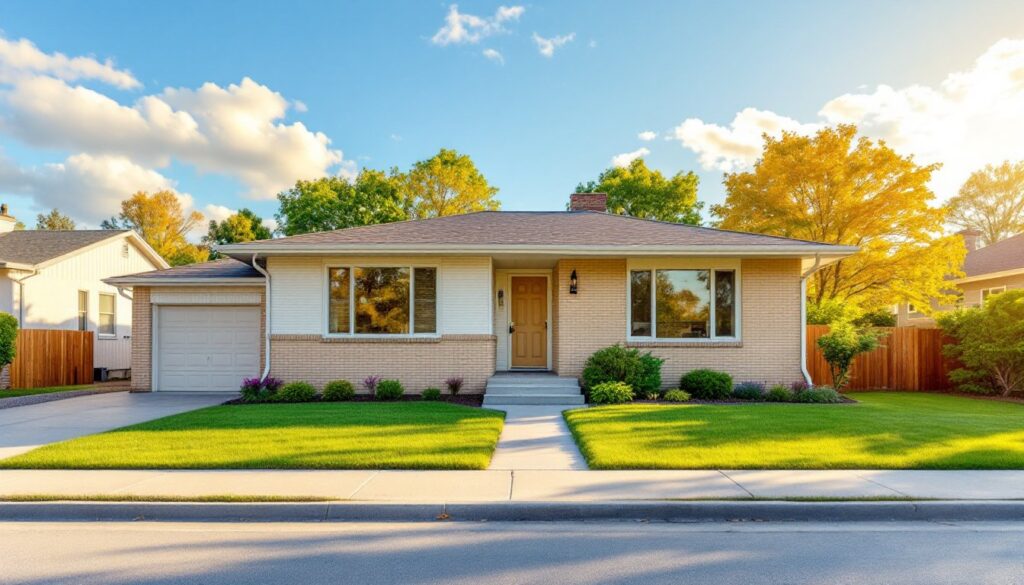

Small ranch homes have become a smart choice for homeowners seeking affordability, ease of maintenance, and a comfortable lifestyle without excess square footage. These single-story dwellings, typically ranging from 800 to 1,200 square feet, offer an efficient layout that’s ideal for first-time buyers, downsizers, and anyone looking to reduce utility costs and simplify upkeep. Whether you’re decorating a modest ranch you already own or considering one as your next purchase, understanding how to maximize every inch of space, and knowing the real advantages beyond initial appeal, makes all the difference. This guide walks you through what defines a small ranch home, why they’re worth considering, and practical strategies for turning a compact layout into a functional, stylish living space.
Table of Contents
ToggleKey Takeaways
- Small ranch homes, typically 800–1,200 square feet, offer lower heating, cooling, and maintenance costs while providing ideal accessibility and aging-in-place benefits for homeowners.
- Smart open-floor-plan design—using visual separations instead of walls, strategic furniture placement, and clear sightlines—makes small ranch homes feel significantly larger without expensive renovations.
- Built-in storage solutions, vertical shelving, and closet maximization are essential strategies for turning limited space in small ranch homes into functional, clutter-free living areas.
- Light, neutral color palettes combined with layered lighting, mirrors, and intentional accent colors transform the perception of space and create visual openness in compact ranch layouts.
- Appropriately scaled, leggy furnishings and transparent accent pieces—rather than oversized sectionals and heavy stands—preserve floor space and maintain the airy feel small ranch homes require.
- Single-story ranch designs simplify structural additions, home inspections, and long-term resale appeal, making them financially smart choices for first-time buyers, downsizers, and budget-conscious homeowners.
What Defines a Small Ranch Home
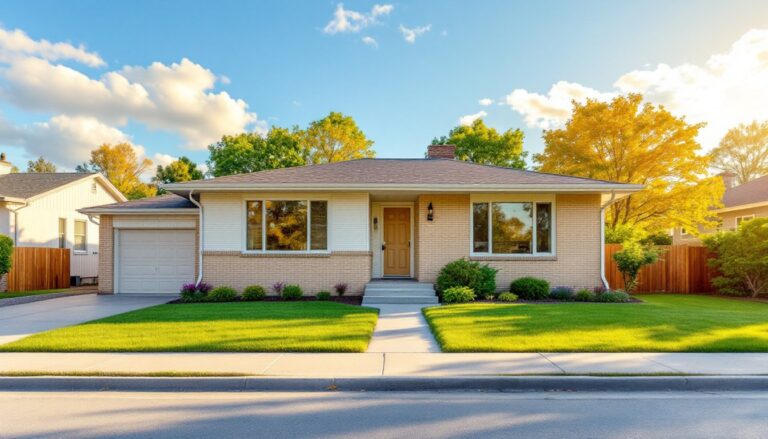
A small ranch home is a single-story residential structure, typically between 800 and 1,200 square feet, though some definitions extend to 1,500 square feet. The term “ranch” itself refers to the style’s origins in the American West, a practical, horizontal design focused on open-concept living and easy access to outdoor space. Unlike two-story homes or split-levels, ranches keep everything on one floor, which eliminates stairs and hallway waste, making them inherently more efficient.
Ranch homes usually feature a straightforward floor plan with a central living area, typically open to the kitchen, bedrooms positioned along the perimeter, and one or two full bathrooms. Exterior walls are often brick, vinyl siding, or stone veneer, and the roof is low-pitched. Common architectural touches include a covered front porch and an attached or detached garage. The simplicity of the design isn’t a drawback, it’s the foundation for easy renovation and personalization. Small ranches lack the high ceilings and dramatic architectural details of larger homes, but that constraint actually encourages creative design solutions.
Key Advantages of Choosing a Small Ranch Home
Small ranch homes offer tangible benefits beyond just being affordable entry points into homeownership. First, heating and cooling costs are predictably lower because you’re conditioning a single story with no attic-to-basement temperature differentials. Maintenance is straightforward: a simple roof to inspect, fewer gutters to clean, and no exterior stairs to repair.
The single-floor layout is also ideal for aging in place and accessibility. There’s no navigation between levels, which matters if mobility becomes an issue later. Families with young children appreciate the openness, you can watch kids in multiple rooms without moving. Resale potential remains solid in most markets: small ranches appeal to downsizers, retirees, and budget-conscious first-time buyers.
Financially, property taxes are often lower than comparable two-story homes in the same area, and insurance rates generally follow suit. If you ever need to add square footage, the single-story format makes additions (a bump-out or finished basement, if the foundation allows) less structurally complex than adding onto a two-story. The simplicity of ranch design also means fewer hidden surprises during inspection, the bones are exposed and easy to evaluate.
Maximizing Space: Layout and Design Tips
Open Floor Plans and Flow
The best small ranch homes work because of how space flows. If you’re renovating or decorating, resist the impulse to close off the living room with walls or heavy partitions. Instead, use visual separation, a different flooring material, a subtle color shift, or a low half-wall (roughly 3 feet high) between the kitchen and dining area, to define zones without blocking sightlines.
Remove unnecessary doors and interior walls where feasible. Load-bearing walls require a properly sized beam and professional installation, so assess whether a wall is structural before demolition. Non-load-bearing walls (typically perpendicular to floor joists and not directly under the roof ridge) are safer to remove, but verify with a contractor if you’re unsure. The goal is sight lines: when you can see from the front door through to the back, even a small space feels larger.
Furniture placement matters tremendously. Float seating groups away from walls rather than pushing everything to the perimeter, this trick creates intimate spaces without cramping the room. Keep pathways clear and traffic flowing in natural patterns. Use area rugs to anchor furniture groupings and define separate functional zones within an open space.
Storage Solutions and Built-Ins
Small ranches demand intelligent storage. Builder-grade homes often lack closets in main living areas, so adding built-in shelving, a low bench with under-seat storage in a hallway, or floor-to-ceiling cabinets along one wall (painted the same color as walls to minimize visual clutter) solves both function and design. Custom built-ins, though pricier, add significant value and character compared to freestanding furniture that eats up floor space.
Maximize existing closets by installing double-hung rods, slim shelf dividers, and pull-out baskets. In small bedrooms, closet systems can nearly double usable capacity. Hallway linen closets often hide wasted vertical space, add adjustable shelving to fit your actual needs rather than the builder’s default setup. Under-bed storage boxes, wall-mounted shelves in bedrooms, and magnetic strips on kitchen walls for knives and spice tins all reclaim space. The key is vertical storage: tall, narrow pieces take up less floor area than wide, shallow ones.
Interior Design and Decor for Small Ranch Homes
Color Palettes and Lighting Strategies
Color is one of the most powerful tools in small-space design. Light, neutral base colors, soft whites, warm grays, or pale greiges, on walls and larger surfaces make a small ranch feel open and airy. These hues reflect natural light and create continuity between spaces. That said, a monochrome palette doesn’t mean bland. Add depth with texture: linen upholstery, a wood accent wall, or a textured area rug in a slightly deeper tone creates visual interest without breaking up the space.
Accent colors work beautifully in small ranches when used strategically. Paint one end wall a deeper shade, add a colorful backsplash in the kitchen, or use bold throw pillows on neutral furniture. Research from Apartment Therapy demonstrates that small spaces benefit from intentional pops of color rather than competing hues throughout. Avoid too many paint colors: stick to three or four across the entire home for cohesion.
Lighting transforms perception of scale. A dark, single-overhead-fixture ranch feels cramped: layered lighting opens it up. Install recessed lights or a low-profile flush-mount fixture as base lighting, add a table lamp in corners, and include a reading light or task lighting in the kitchen. These layers eliminate shadows and create flexibility, you can adjust brightness for mood without the harsh glare of one bright bulb. Consider skylights or solar tubes if your roof orientation allows: natural light is the fastest, cheapest way to make a small space feel larger. Mirror placement also multiplies light: a large mirror opposite a window bounces natural light throughout the room.
Design inspiration often comes from looking at how others approach small spaces. Country Living frequently features farmhouse-style small homes that prove rustic décor translates beautifully to compact layouts when paired with smart storage and minimal clutter. Similarly, Southern Living showcases regional small homes and porches that maximize outdoor living, which expands your functional square footage without renovation.
Keep furnishings proportional to your rooms. A large sectional in a small living room is tempting but backfires, choose a loveseat or apartment-sized sofa instead. Leggy furniture (sofas with visible feet rather than skirted bases) creates visual lightness. Opt for glass or transparent accent tables: they anchor a space without the visual weight of solid wood. Wall-mounted TV brackets save floor space compared to bulky entertainment stands, and floating shelves for décor are more adaptable than bookcases.