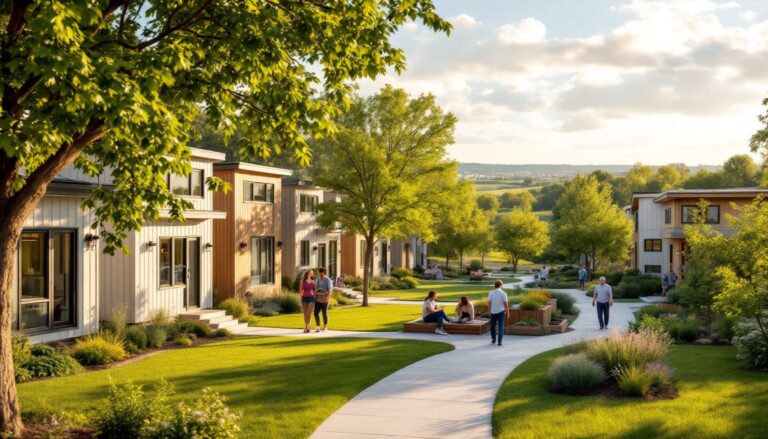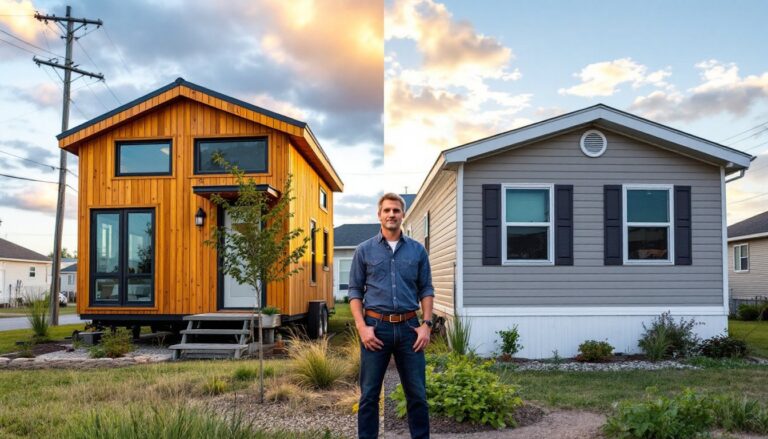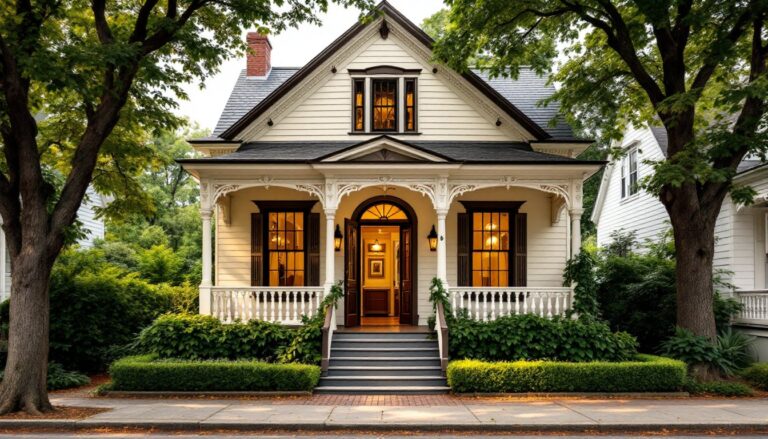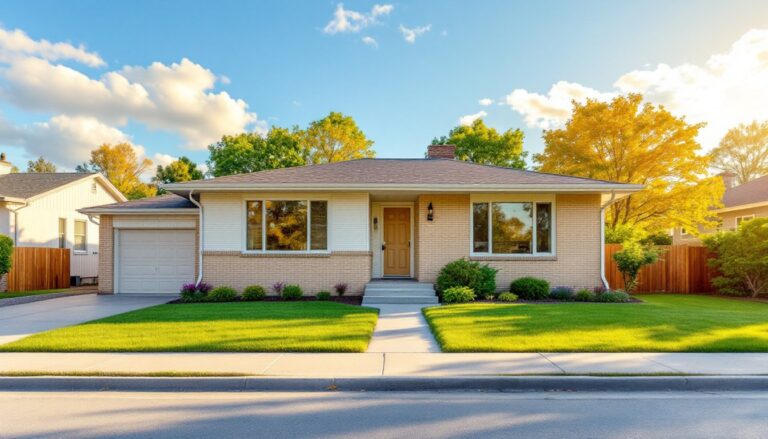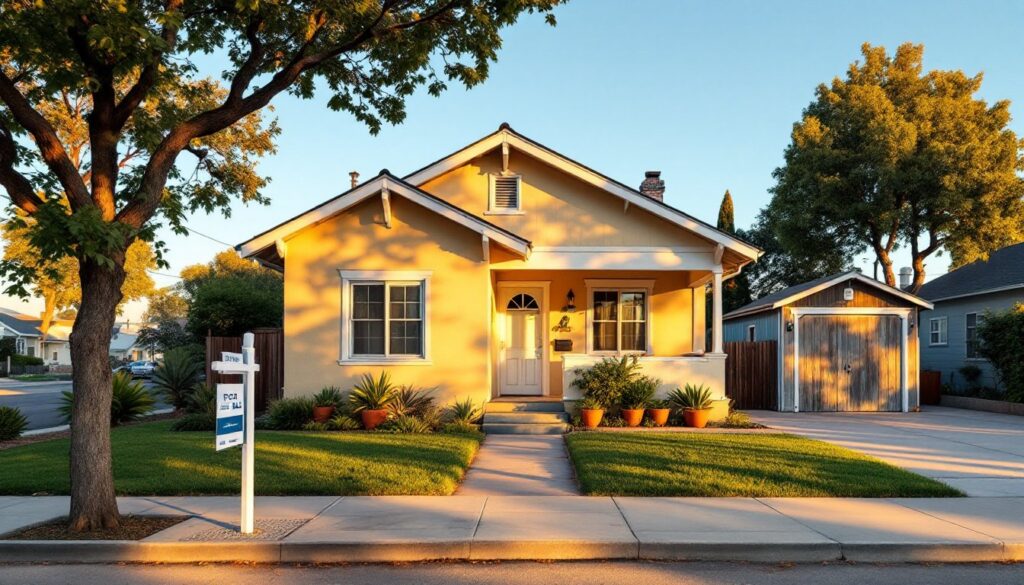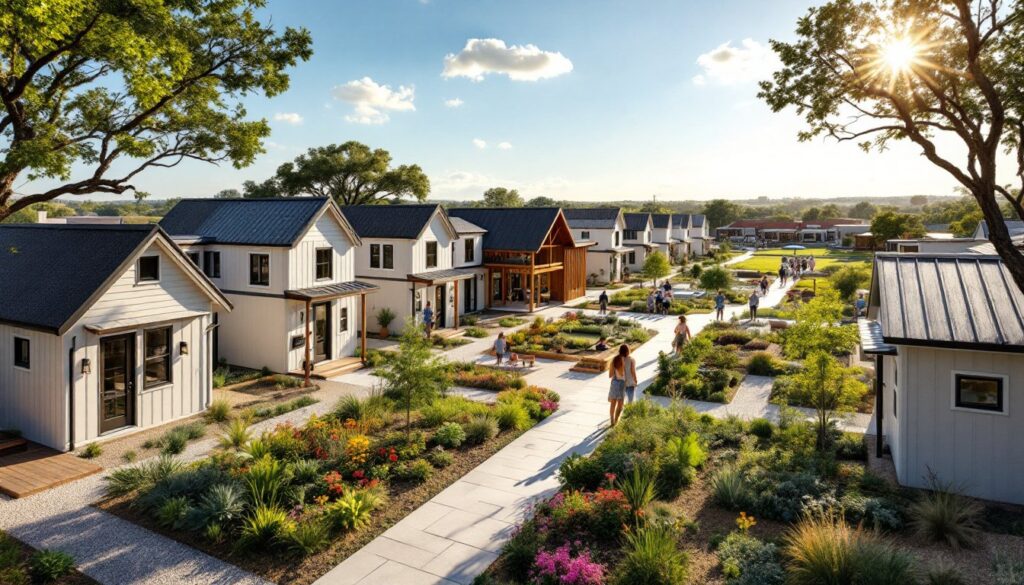
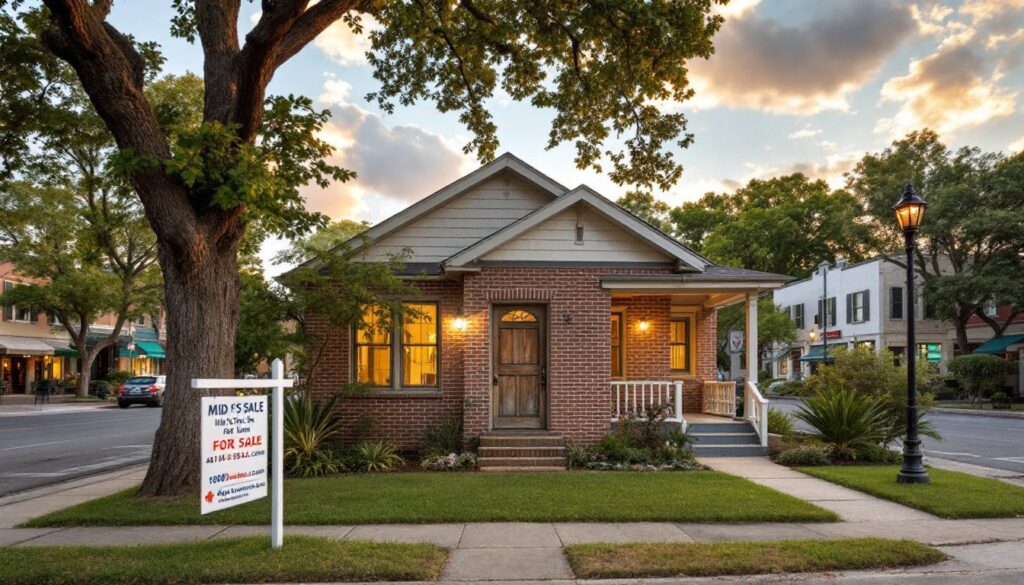

Houston’s real estate market has shifted dramatically in recent years, and small homes for sale in Houston are now commanding serious attention from buyers seeking affordability, low maintenance, and walkable neighborhoods. Whether you’re a first-time homebuyer, a retiree downsizing, or an investor hunting for cash flow, compact properties offer surprising value in Texas’s largest city. This guide cuts through the noise and delivers the practical insights you need to navigate small home purchases, from identifying neighborhoods with real potential to understanding what makes a 1,200-square-foot property work hard for your lifestyle and budget.
Table of Contents
ToggleKey Takeaways
- Small homes for sale in Houston cost 30–50% less than larger counterparts while offering lower maintenance, utility, and property tax burdens, making them ideal for first-time buyers and retirees.
- Midtown and East End neighborhoods offer the best walkability and affordability for small Houston homes, with prices ranging from $200k–$450k depending on location and appreciation potential.
- Maximize small home living through vertical storage, consistent neutral paint, multifunctional furniture, and thoughtful lighting rather than trendy open-concept designs that reduce usable space.
- Calculate total monthly housing costs (mortgage + property tax + insurance + maintenance reserves) before purchasing; many small Houston homes cost $1,200–$1,600/month all-in, competing with or beating local rent.
- Hire a Texas-certified inspector experienced with Houston’s clay soil and older homes, and request professional appraisal reviews, as small homes often appreciate faster than initial appraisals reflect.
Why Small Homes Are Gaining Popularity In Houston’s Real Estate Market
The shift toward small homes in Houston mirrors national trends, but Houston’s sprawling geography and historically low density make this pivot especially noteworthy. Rising land costs, increased property taxes, and climate concerns are pushing buyers away from oversized suburban estates and toward efficient, manageable properties in established neighborhoods.
Small homes typically cost 30–50% less than their larger counterparts on the same block, freeing up capital for renovations, investments, or simply reducing monthly mortgage burden. Maintenance costs drop sharply when you’re not managing 3,000 square feet of roofing, HVAC, and exterior walls. Monthly utilities reflect smaller square footage, which matters in Houston’s brutal summers when air conditioning costs balloon.
Buyers also prize proximity to jobs, restaurants, and transit. A 1,100-square-foot bungalow in Midtown or the East End puts you steps from employment hubs and walkable amenities, no 45-minute commute. Real estate analysts note that compact homes hold value better during downturns because they appeal to a broader buyer pool. First-time buyers, empty-nesters, and investors all compete for the same inventory, keeping resale demand stable.
Top Houston Neighborhoods For Finding Affordable Small Homes
Houston’s geography spans 670+ square miles, but savvy buyers know where small homes cluster and appreciate. The best neighborhoods balance affordability, walkability, and long-term growth potential.
East End And Midtown Districts
Midtown Houston sits between downtown and Hermann Park, blending urban density with mature trees and 1920s–1960s architecture. Bungalows and cottages in the 800–1,200 square-foot range dominate the area, with median prices averaging $380k–$450k depending on exact block. The neighborhood boasts restaurants, breweries, and direct freeway access. Walkability is real here: you can grab coffee, buy groceries, or visit a clinic without a car.
The East End, spanning neighborhoods like Eastwood and Settegast, offers even deeper discounts, often 20–30% below Midtown. These historically working-class areas are gentrifying steadily, attracting young families and artists. Small shotgun-style homes and 1970s cottages rent and resell quickly. Local food halls and pop-up businesses signal momentum without the Midtown price tag. Buyers serious about appreciation should plant roots here within the next 2–3 years before prices accelerate further.
Near Heights And Eastside Communities
The Heights and near-Heights neighborhoods (Norhill, Washington Avenue Corridor) pack more charm and diversity than Midtown, with abundant trees, older architecture, and a strong sense of community. Expect 1,000–1,400 square-foot Victorians and Craftsman homes starting at $320k: updated units push toward $500k. Property taxes run higher here because land values and school ratings are strong, but equity builds faster in appreciating neighborhoods.
On the Eastside, communities near I-10 corridor (around Greens Bayou, Settegast, or Jacinto City adjacent areas) offer the lowest entry prices in the metro, sometimes under $200k for livable 2-bed, 1-bath homes. Trade-offs include longer commutes, fewer walkable amenities, and slower appreciation. But, for investors seeking rental income, the Eastside’s tenant pool is stable and rents scale affordably.
How To Maximize Space In A Small Houston Home
Square footage constraints demand thoughtful design, but small homes in Houston’s existing stock often have surprising bones: high ceilings, original hardwood, sleeping porches, and room layouts that predate open-concept trends. Work with what you have instead of fighting it.
Vertical storage is your best friend. Open shelving, tall cabinetry, and wall-mounted organizers multiply usable storage without eating floor space. Lighting transforms perception: layered ambient, task, and accent lighting make compact rooms feel larger and more functional. Consider small space living ideas from design-forward sources that avoid trendy but impractical layouts.
Choose multifunctional furniture: ottomans with hidden storage, extendable dining tables, and built-in banquettes convert spaces without clutter. Paint consistency across rooms (light, neutral tones) creates visual flow and softens hard boundaries. Keep finishes minimal: busy patterns and multiple styles shrink perception of space.
For kitchens, maximize counter prep area with pull-out pantries, magnetic strips for knife storage, and slim appliances. Bathrooms benefit from corner sinks, recessed shelving, and shower caddy organization. Bedrooms stay functional when storage is planned: under-bed drawers, wall sconces for reading light, and a single dresser instead of sprawling suites. The goal isn’t “Pinterest-perfect tiny living”, it’s sustainable comfort in compact square footage.
Financing And Budget Considerations For Small Home Purchases
Small homes carry lower purchase prices, but financing and affordability analysis require precision. A $300k purchase in Houston’s East End sounds manageable until property taxes, insurance, HOA fees, and deferred maintenance surface.
Start with a realistic mortgage pre-qualification from a lender, not a bank’s marketing estimate. Small homes often appraise lower relative to larger properties, which can affect loan-to-value ratios and down payment requirements. Aim for a 20% down payment to avoid PMI, but if you’re putting 5–15% down, factor PMI into monthly debt calculations.
Property taxes in Harris County average 0.55% of assessed value annually, meaning a $300k home costs roughly $1,650/year. Some East End or Eastside locations run slightly lower: Midtown and Heights neighborhoods run higher due to school districts and perceived value. Insurance ranges $800–$1,200/year for compact homes, varying by age and condition. Budget for these non-mortgage costs upfront: many first-time buyers overlook them.
Deferred maintenance hits hard on older small homes. Roof condition, HVAC age, foundation cracks, and plumbing work can easily cost $10k–$30k. Always get a professional inspection before finalizing an offer. If you’re handy and want to review contractor estimates and home service options, platforms provide transparency on typical repair costs for Houston’s climate and housing stock.
When comparing properties, calculate total monthly housing cost: mortgage + property tax + insurance + maintenance reserves. Many small homes cost $1,200–$1,600/month all-in, competing favorably with Houston-area rent (typically $1,400–$2,000/month for comparable 2-bed units). Over 10 years, ownership builds equity while rent builds your landlord’s asset.
Inspection And Appraisal Tips For Compact Properties
Buying a small home doesn’t lower inspection standards, if anything, deferred maintenance in compact homes concentrates impact. A failed HVAC unit in a 900-square-foot bungalow affects your entire living space: it’s not just one “wing” of the house.
Hire a licensed inspector certified in Texas and preferably experienced with Houston’s clay soil, flooding history, and older residential construction. Request a mold inspection if the home has any moisture history: Houston’s humidity and past flooding events make this critical. Electrical systems in homes built before 1980 often run on 100-amp service, tight for modern loads. Check for knob-and-tube wiring (a fire hazard) and request a full panel inspection.
Foundation issues plague Houston homes. Look for wall cracks (especially stair-step patterns in brick), sloped floors, and sticking doors. While small homes cost less to repair, a piering job still runs $8k–$15k. Have the foundation professionally evaluated if any red flags emerge.
Appraisals on small homes can be tricky. Appraisers sometimes struggle to value compact properties because comparable sales in the immediate area vary widely. Request your appraisal upfront and review the comps yourself: if the appraised value comes in low, ask your agent to appeal with stronger nearby comparables. Small homes in desirable locations appreciate faster than appraisals initially reflect, giving you leverage in negotiations. Industry insights on real estate trends and neighborhood analysis help you spot up-and-coming areas where small homes appreciate beyond appraised value, strengthening your long-term investment case.