
San Diego’s real estate market has shifted dramatically over the past few years, and small homes, typically ranging from 800 to 1,400 square feet, are no longer seen as starter properties or consolation prizes. They’re increasingly the smart choice for buyers seeking affordability, walkability, and a genuine lifestyle upgrade in Southern California. Whether you’re a first-time homebuyer, a retiree downsizing, or someone looking to break into San Diego’s competitive market, small homes offer practical solutions. This guide walks you through the current landscape, where to look, what to expect price-wise, and how to spot renovation opportunities that’ll maximize your compact space without draining your budget.
Table of Contents
ToggleKey Takeaways
- Small homes for sale in San Diego now range from $450k–$900k+ depending on location and condition, making them an affordable entry point to homeownership in a competitive market.
- East County neighborhoods (La Mesa, Spring Valley, Santee) offer the best inventory of affordable small homes at 15–25% lower prices than central San Diego, while mid-city areas like North Park and Hillcrest provide superior walkability and established community charm.
- Smart renovation projects for small homes—such as open-concept wall removal, kitchen updates, and bathroom upgrades—cost $2k–$12k and dramatically improve daily living without major structural work.
- Before buying a small home, get mortgage preapproval, conduct thorough structural inspections focusing on foundation and roof condition, and verify all prior renovations have proper permits to avoid future resale complications.
- Small homes in San Diego were built with compartmentalized layouts and often lack garages or modern floor plans, so prioritize properties with good bones and choose neighborhoods where you genuinely want to live rather than chasing the lowest price.
Why Small Homes Are Trending in San Diego’s Real Estate Market
Small homes are no longer a compromise in San Diego, they’re increasingly a deliberate choice. Rising mortgage rates and property values have priced out many traditional single-family buyers, making compact homes an entry point to homeownership. A 1,000-square-foot home costs significantly less than a 2,000-square-foot equivalent in the same neighborhood, freeing up capital for down payments, renovations, or simply reducing your monthly carrying costs.
Beyond affordability, San Diego’s geography and urban density make smaller footprints practical. Many walkable neighborhoods, North Park, South Park, Hillcrest, Ocean Beach, were originally built with smaller homes and bungalows. You get proximity to shops, restaurants, and transit without the sprawl. Lower utility bills, less yard maintenance, and quicker property cleanup appeal to busy professionals and older homeowners alike.
The market reality is straightforward: fewer homes are being built, and even fewer are small. Developers prioritize bigger floor plans and higher per-unit revenue, making older, compact homes increasingly valuable to savvy buyers who understand their worth.
Top Neighborhoods for Affordable Small Homes
East County Hidden Gems
East County, including areas like La Mesa, Spring Valley, and Santee, offers the most inventory of affordable small homes. Properties here range from 900 to 1,300 square feet and often sit on larger lots than their midtown counterparts, giving you room to expand or add value through outdoor space. Prices in East County are typically 15–25% lower than comparable properties in central San Diego, though commute times to downtown or coastal areas run 30–45 minutes depending on traffic.
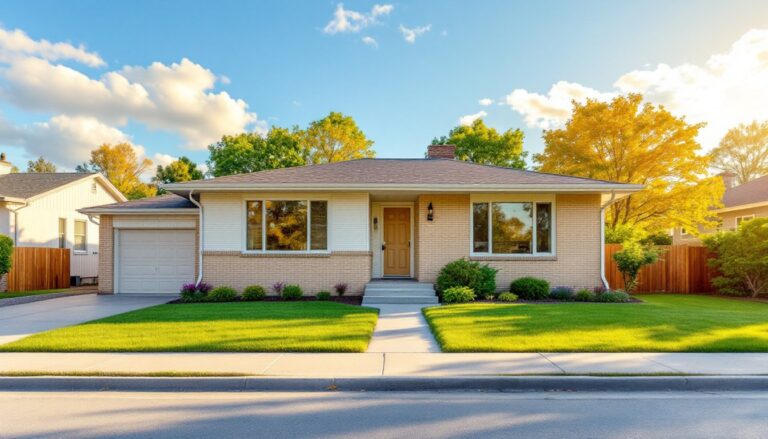
These neighborhoods have older housing stock, much of it built in the 1960s–1980s, which means more single-story homes with straightforward layouts. That simplicity is an advantage if you’re considering renovations: fewer load-bearing walls to work around and clearer electrical/plumbing runs. Watch for good bones: solid foundations, intact roofs, and functional HVAC systems. Properties in need of cosmetic updates (paint, flooring, kitchen work) represent genuine opportunity for DIY-minded buyers.
Urban Core and Mid-City Options
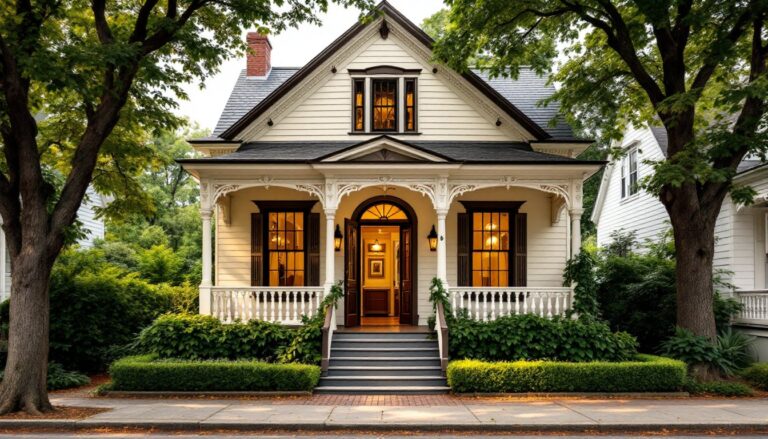
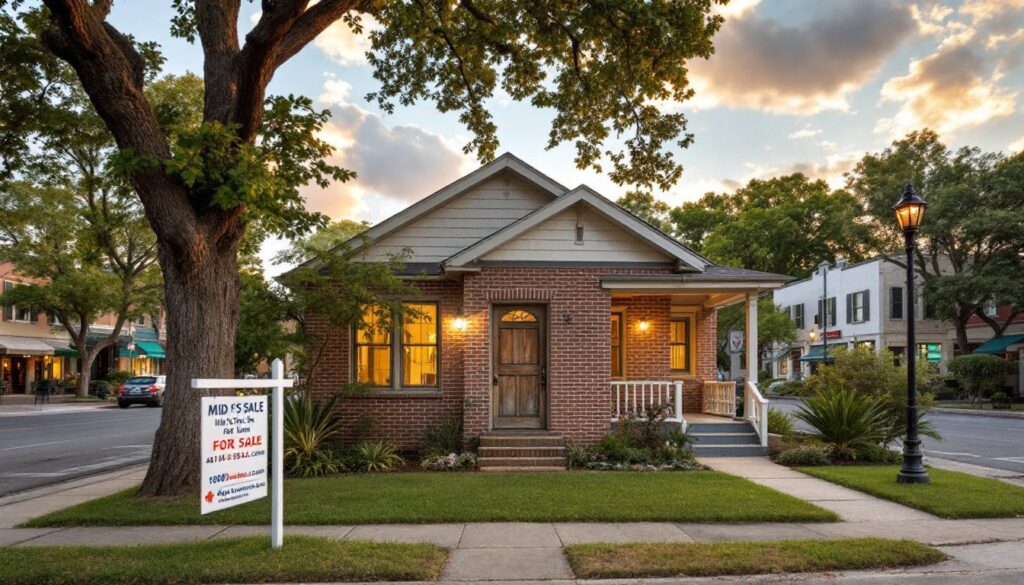
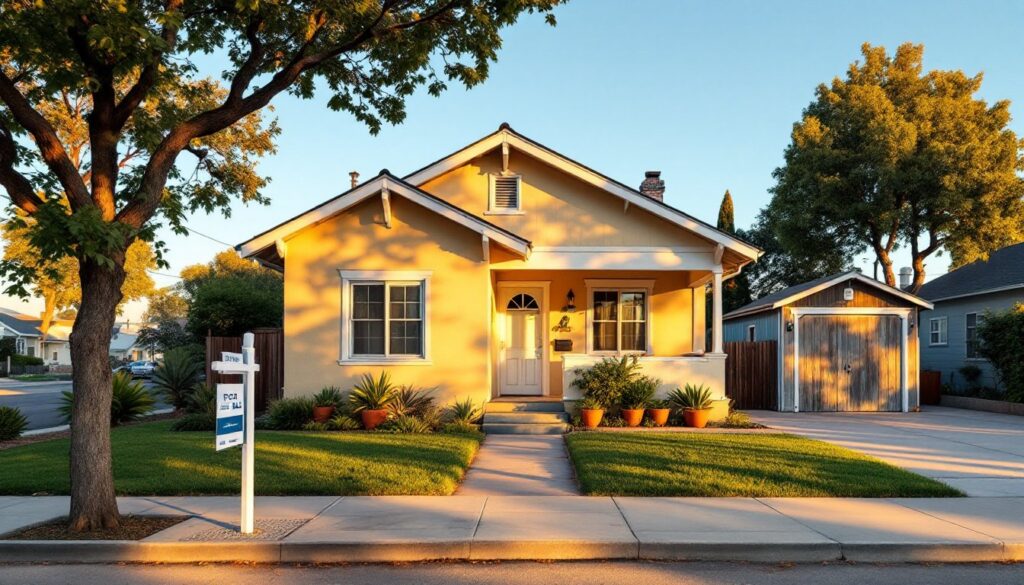
North Park, South Park, Hillcrest, and adjacent mid-city neighborhoods are where San Diego’s small-home charm shines. These areas feature 1920s–1960s Craftsman bungalows, Spanish Colonial cottages, and mid-century homes, many in the 850–1,200 square feet range. Walkability is exceptional: you’re near coffee shops, galleries, farmers markets, and transit. Prices are higher, typically $600k–$850k depending on condition and exact location, but you’re buying into established, desirable neighborhoods.
These homes often need thoughtful upgrades rather than overhauls. Original hardwood floors may need refinishing, galley kitchens might benefit from smart reconfiguration, and adding a modern bathroom or guest suite becomes feasible with careful planning. Many buyers focus on curb appeal and interior cosmetics here, avoiding structural work that’d eat into renovation budgets. Communities like these have strong neighborhood organizations and deed restrictions, so always review CCRs and local design guidelines before purchasing.
What to Expect: Price Ranges and Home Features
In 2026, small homes in San Diego range widely depending on location, condition, and age. East County properties in move-in condition typically start around $450k–$550k. Mid-city homes needing cosmetic work start around $550k, while turnkey properties in walkable urban neighborhoods run $700k–$900k or more.
Small homes in San Diego rarely have modern floor plans: they were built when living spaces were compartmentalized. Expect separate dining rooms, distinct bedrooms, and kitchens that may feel cramped by today’s open-concept standards. Lot sizes vary dramatically: East County properties often sit on 0.25–0.4 acres, while urban core homes perch on 2,000–3,500 square feet of land. Many lack garages or have single-bay detached structures, a trade-off for affordability and walkable location.
Built-in storage, vintage hardware, and original trim work are common. Some homes retain asbestos insulation or lead paint, expect to factor in professional abatement costs if remediation becomes necessary. Roof age matters: if it’s original to a 1960s home, you’re looking at near-term replacement, a $10k–$18k expense depending on pitch and materials. Get a professional home inspection and ask for seller disclosure of previous repairs, foundation issues, or water damage.
Smart Shopping Tips for First-Time Small Home Buyers
Start by getting preapproved for a mortgage before you tour homes. In San Diego’s competitive market, sellers see preapproval letters as proof of serious intent, and you’ll negotiate faster. Know your actual budget, not the maximum you’re approved for, but what you can afford with 20% down and manageable payments. Small homes appreciate steadily but not explosively: you’re buying for lifestyle and equity, not speculation.
When touring homes, look past cosmetics. Ignore paint color and focus on structural integrity: foundation cracks, water stains in basements or attics, roof condition from the ground, and HVAC age. A 50-year-old electrical panel may need upgrading to 200 amps if you plan major renovations, factor that into your offer. Ask about permits: old additions or renovations done without proper paperwork create title issues and make future resales harder.
Compare neighborhoods beyond price. Walk the streets at different times of day, check parking availability, and research school ratings if that matters to you. Recent real estate trends show that walkable, quieter residential blocks in mid-city maintain values better than outlying areas. Don’t chase the cheapest property in the hottest neighborhood: the sweet spot is a well-maintained home in an established, stable community where you actually want to live.
Renovation Opportunities: Making the Most of Compact Spaces
Small homes reward smart renovation choices. Prioritize projects that increase usable space without major structural work: knock out a partial wall between kitchen and living area (verify it’s not load-bearing with a structural engineer), add floating shelves for storage, or reconfigure a bedroom closet into a small home office nook. These changes cost $2k–$8k and dramatically improve daily life without requiring permits.
Kitchen and bathroom updates generate the highest perceived value in small homes. A galley kitchen becomes more functional by replacing lower cabinets with open shelving or a small island on wheels that you can move when needed. Bathroom work, new vanity, tile, and fixtures, costs $4k–$12k but makes a tangible difference in a compact home’s appeal. Resources like HGTV renovation inspiration and Houzz project galleries showcase solutions specific to tight spaces.
Be realistic about structural limitations. You can’t add bedrooms without sacrificing living space or going vertical (adding a second story), both expensive options. Instead, maximize what you have: improve lighting (it opens spaces visually), paint strategically (lighter walls, bold trim), and choose multifunctional furniture. Research local building codes before starting: San Diego’s proximity to the coast means stricter ventilation and moisture-management requirements. Always pull permits for electrical, plumbing, or structural work, unpermitted renovations complicate future sales. Consult design blogs and architecture sites like Curbed’s urban living guides for thoughtful approaches to small-space living.