
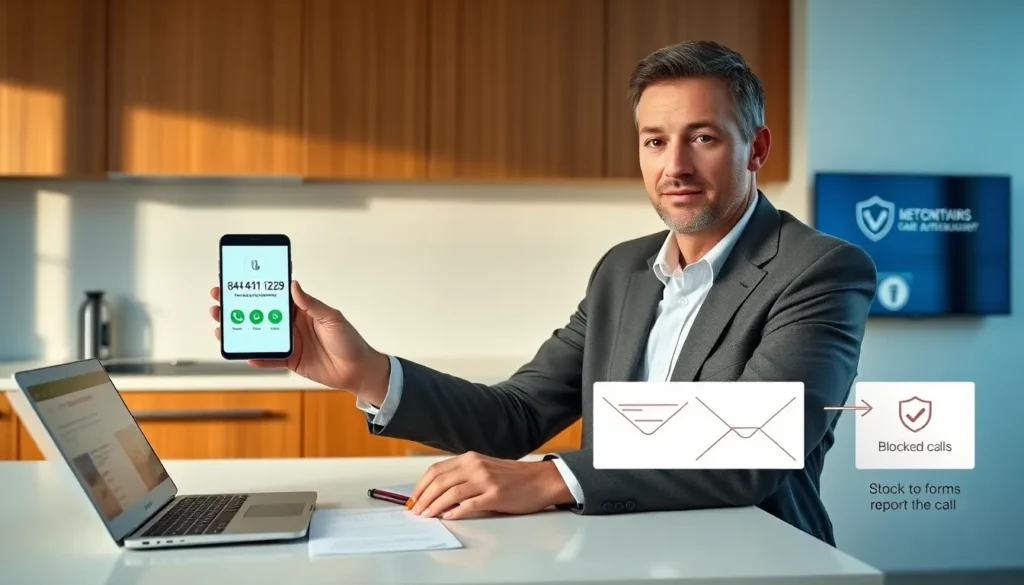

8444211229 appears on many phones across the country. People report calls from this number asking for money or personal details. Readers will learn who may call from 8444211229, how to spot harm, and what steps to take after a call.
Table of Contents
ToggleKey Takeaways
- Treat calls from 844-421-1229 with caution because the number is frequently used for telemarketing, debt collection, and spoofed scams.
- Refuse to give personal or financial information and ask for the caller’s name, company, and a verifiable callback number before sharing anything.
- Verify the caller independently by hanging up and contacting the company using official contact details or using reverse phone-lookup and complaint sites.
- Block and label 844-421-1229 on your device, enable spam filters or a call-blocking app, and report repeated calls to your carrier, the FTC, and the FCC.
- Preserve evidence (time, verbatim messages, voicemails), monitor accounts closely, enable two-factor authentication, and consider a fraud alert or credit freeze if you suspect identity theft.
Quick Snapshot: Who Might Be Calling From 844-421-1229
Telemarketers use toll-free numbers like 8444211229 to reach many people. Debt collectors sometimes use similar numbers for outreach. Scam operations also use spoofed toll-free numbers to look legitimate. Some legitimate businesses use automated services and toll-free lines that show as 8444211229. Callers may claim to be from banks, utilities, surveys, or government-related programs. The same number can host different callers over time. This pattern makes the number unpredictable. If someone sees 8444211229, they should treat the call with caution until they verify the caller.
Reported Caller Reputation And Common Complaints
Many people report that calls from 8444211229 try to collect payments. Other reports say the callers request social security numbers or banking details. Some people say the call uses high-pressure language and limited time offers. Several users report repeated calls at odd hours. A subset of reports say the caller used an automated voice with a callback number. People also report that the caller claimed to represent a government agency. Review sites and community forums list 8444211229 in complaint logs. These logs show a pattern of unwanted solicitations and potential fraud. The pattern does not prove every call from the number is fraudulent, but it supports caution.
Signs The Call May Be A Scam Or Unwanted Solicitation
The caller pressures the person to act immediately. The caller asks for payment via gift cards, wire transfer, or cryptocurrency. The caller asks for full social security numbers or full bank account numbers. The caller threatens arrest or legal action for nonpayment without offering written proof. The caller offers prizes or money and asks for personal details to claim them. The caller uses a caller ID that looks like a business but does not match official contact information. The caller refuses to provide a corporate phone number or email address. The caller asks the person to verify personal data by speaking it aloud.
If You Receive A Call From 844-421-1229: Step‑By‑Step Actions
Do not give personal or financial information. Ask for the caller’s name, company, and callback number. Pause the call and verify the details before you respond. Use the steps below to stay safe.
Ask Safe Questions Before Sharing Anything
The person should ask for the caller’s full name. The person should ask for the company name and official address. The person should ask for a callback number that matches the company website. The person should ask for written confirmation by email or postal mail. The person should decline to share account numbers or social security numbers over the phone. The person should ask what law or policy requires immediate action.
Document The Call And Preserve Evidence
The person should write down the time and date of the call. The person should save any voicemail message from 8444211229. The person should note verbatim what the caller said. The person should record the caller’s callback number if they provide one. The person should keep any follow-up messages or emails. These items help if the person reports the call to authorities or a carrier.
How To Verify The Caller’s Identity Independently
People should verify callers before they share sensitive data. Use two independent sources to confirm identity. The steps below show common methods.
Use Official Channels And Reverse‑Lookup Tools
The person should search the official company website for contact numbers. The person should use a reverse phone lookup to see user reports on 8444211229. The person should check consumer complaint sites for patterns tied to that number. The person should not rely on caller ID alone because the number can be spoofed.
Contact The Company Or Agency They Claim To Represent
The person should hang up and call the company using a verified phone number. The person should ask the company to confirm whether they placed the call from 8444211229. The person should request written proof of any debt, fine, or claim. The person should refuse to comply with payment requests unless the company validates the claim in writing.
How To Block, Report, And Reduce Future Calls
People can block numbers and report suspicious calls to reduce future contact. Carriers and agencies can help stop repeated calls.
Blocking And Labeling The Number On Devices
The person should block 8444211229 on their phone. The person should add the number to their device block list and label it as spam. The person should enable built-in spam filters on smartphones. The person should use a call-blocking app that adds community reports for 8444211229.
Reporting To Carriers And Government Agencies
The person should report 8444211229 to their phone carrier for spam review. The person should file a complaint with the Federal Trade Commission. The person should report the call to the state attorney general if they suspect fraud. The person should report robocalls and spoofing to the Federal Communications Commission.
Protecting Your Personal Information And Accounts
People should limit who they share personal data with over the phone. The person should enable two-factor authentication on important accounts. The person should review bank and credit card statements for new charges. The person should place a fraud alert or credit freeze if they suspect identity theft. The person should change passwords if they shared login details. The person should monitor credit reports regularly. The person should use unique passwords and a password manager to reduce risk.