
Bullhuahua appears as a compact dog with a bold attitude. The name bullhuahua refers to a cross between a Chihuahua and a Bulldog. This mix creates a small but sturdy dog. The guide defines traits, care needs, and ownership steps. It helps a buyer or adopter decide if a bullhuahua fits their life.
Table of Contents
ToggleKey Takeaways
- A bullhuahua is a small, sturdy Chihuahua–Bulldog mix typically weighing 8–18 pounds with variable coat types and a broad head.
- Expect wide genetic variation—size, snout length, and temperament differ—so request DNA tests and health clearances from breeders.
- Train consistently with short, positive sessions and early socialization to reduce stubbornness, barking, and resource guarding.
- Provide moderate exercise (two short walks plus 20–30 minutes of play), measured small-breed meals twice daily, and regular vet checkups to maintain weight and health.
- Adopters should budget for vet care, ask for records, and choose bullhuahuas for apartment-friendly, attentive homes or families with older children.
What Is A Bullhuahua? Origins And Typical Appearance
Common Physical Traits And Size Variations
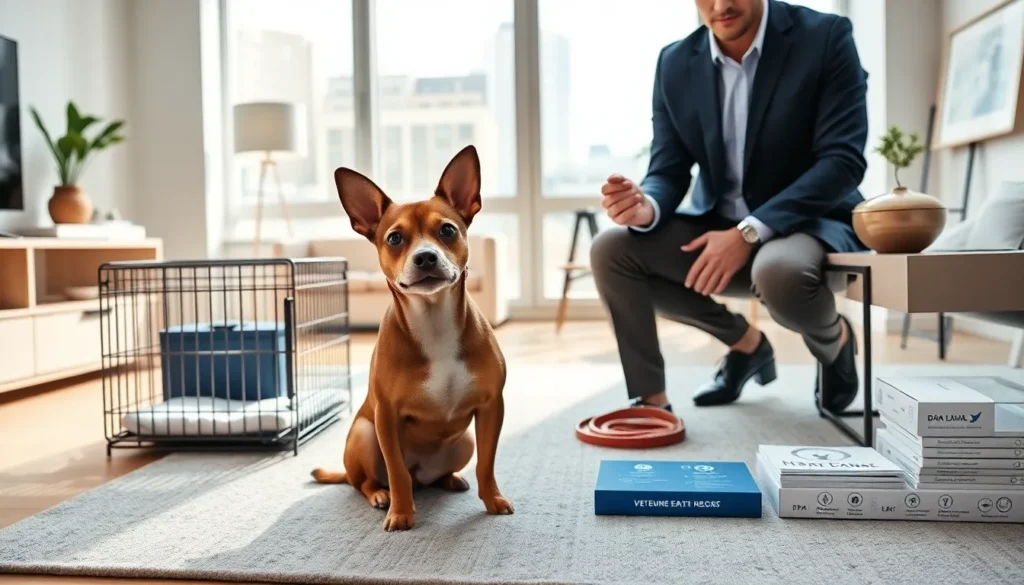
A bullhuahua shows clear traits from both parent breeds. It often has a broad head, short muzzle, and a solid chest. Size varies by genetics. Most adult bullhuahuas weigh between 8 and 18 pounds. Height ranges from 8 to 16 inches at the shoulder. Coat types range from smooth to short and dense. Coat colors include fawn, brindle, black, white, and mixes.
Breed Mix Genetics: What To Expect
Genetics shape a bullhuahua in simple ways. Puppies inherit genes from each parent. Some dogs show more Chihuahua traits. Others show more Bulldog traits. Owners can expect variation in size, ear shape, and snout length. A DNA test can clarify parentage. Breeders should test for known health genes. Buyers should ask for health clearances and vet records.
Temperament And Behavior
Typical Personality Traits
A bullhuahua often shows courage and affection. It tends to bond strongly with one or two people. It can act wary with strangers. The dog can show a stubborn streak from its Chihuahua side. It can also show a calm, steady side from its Bulldog side. Owners report loyalty, alertness, and playfulness. Training helps shape behavior.
Behavior With Children And Other Pets
A bullhuahua can live with children when supervised. It does best with older children who use gentle handling. The dog may tolerate other dogs if introduced slowly. It can show resource guarding with toys or food. Early socialization reduces fear and guarding. Owners should watch small dogs and small pets. The bullhuahua can chase birds or rodents if not trained.
Exercise, Living Space, And Daily Routine
Activity Needs And Walks Versus Play
A bullhuahua needs moderate activity. It benefits from two short walks per day. It also enjoys 20 to 30 minutes of playtime. Indoor play can meet much of its energy needs. Owners should include short training sessions for mental work. The dog adapts to lower activity levels when older or after spay/neuter.
Apartment Living And Crate Considerations
A bullhuahua adapts well to apartments. It needs a safe space to rest. A crate can offer security and help with housebreaking. Owners should use a crate as a positive space, not as punishment. The dog tolerates short periods alone. Long solitude can cause stress and lead to barking.
Grooming, Nutrition, And General Care
Coat Care, Shedding, And Bathing
A bullhuahua needs low to moderate grooming. Brushing once or twice a week controls loose hair. Short-coated dogs need less effort. Bathing every 6 to 8 weeks keeps skin healthy. Owners should check skin folds and ears for moisture and odor. Regular nail trims and dental care prevent common problems.
Diet, Weight Management, And Feeding Tips
A bullhuahua needs a balanced diet for its size. Owners should choose a high-quality small-breed food. They should feed measured portions twice a day. Treats should be limited to maintain healthy weight. The dog can gain weight easily if owners overfeed. Regular weigh-ins help track body condition. A vet can recommend portion size and calorie needs.
Health, Lifespan, And Common Medical Issues
Genetic Health Risks To Watch For
A bullhuahua may inherit risks from both parents. Common concerns include breathing issues from a short snout and dental crowding from a small jaw. Joint issues such as patellar luxation can occur. Eye problems like dry eye or corneal ulcers may appear. Heart murmurs can show up in some dogs. Owners should watch for signs of labored breathing, coughing, or fatigue.
Preventive Care And Vet Checkups
Owners should schedule annual vet exams. Puppies need a standard vaccine and deworm protocol. Spay or neuter can offer health and behavior benefits. Dental cleanings help prevent periodontal disease. Regular flea, tick, and worm prevention keeps the dog safe. Early screening for known breed conditions lets owners act fast.
Training And Socialization Strategies
Housebreaking, Obedience, And Positive Reinforcement
A bullhuahua responds well to short, consistent training sessions. Owners should use praise and small treats as rewards. They should break tasks into simple steps. Crate training helps housebreak puppies. Clicker work or marker words speed learning. Consistency in rules helps reduce confusion.
Managing Stubbornness, Barking, And Resource Guarding
A bullhuahua can show stubborn behaviors. Owners should stay calm and set clear boundaries. They should practice impulse control exercises like “sit” and “wait.” For barking, owners should identify and remove triggers when possible. For resource guarding, owners should trade items for higher-value treats and teach the dog that giving up items leads to reward.
Is A Bullhuahua Right For You? Adoption, Costs, And Preparation
Matching The Breed To Your Lifestyle
A bullhuahua fits a person who wants a small, active, and loyal dog. It suits apartment dwellers and people with yards. It fits families with older children. It does best with owners who commit to training and routine care. Prospective owners should plan for vet costs and time for exercise and attention.
Where To Adopt Or Buy And Expected Costs
Buyers can find bullhuahua mixes in shelters, rescue groups, and with small breeders. Adoption fees usually range from $75 to $400. Private breeders may charge more, from $600 to $1,200, depending on lineage and health tests. New owners should ask for health records and any genetic tests. They should budget for initial vet visits, microchipping, vaccines, supplies, and training.