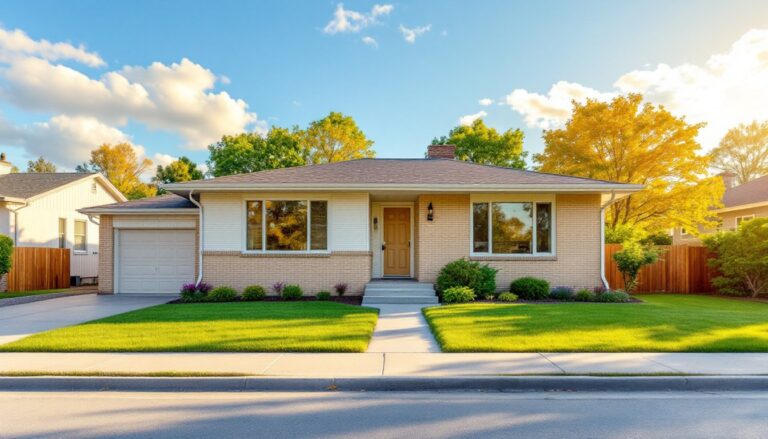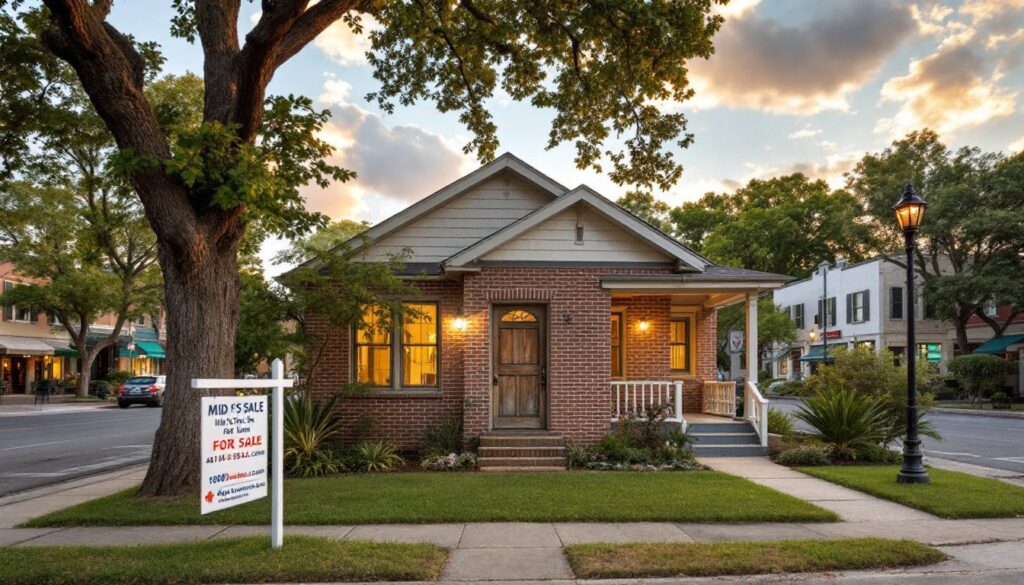


The buying vs. renting analysis matters more than ever in 2025. Housing costs have climbed steadily, and interest rates remain a key factor in financial planning. Whether someone should buy a home or continue renting depends on their finances, lifestyle, and long-term goals.
This decision affects more than monthly payments. It shapes retirement savings, career flexibility, and even daily stress levels. A careful buying vs. renting analysis helps people avoid costly mistakes and find the housing arrangement that fits their situation. This guide breaks down the essential factors to consider before making this major choice.
Table of Contents
ToggleKey Takeaways
- A buying vs. renting analysis should factor in upfront costs, monthly expenses, and opportunity costs—not just mortgage or rent payments.
- Homeownership typically makes financial sense if you plan to stay at least five to seven years to offset transaction costs.
- Renters can build wealth too by consistently investing the savings difference between renting and owning.
- Use price-to-rent ratios to guide your decision: ratios above 20 favor renting, while ratios below 15 favor buying.
- Beyond finances, consider lifestyle factors like job flexibility, family needs, and your tolerance for maintenance responsibilities.
- Run a buying vs. renting analysis calculator and consult a financial advisor to model scenarios specific to your situation.
Key Financial Factors to Consider
Money drives most housing decisions. A thorough buying vs. renting analysis starts with understanding the true costs of each option.
Upfront Costs and Monthly Expenses
Buying a home requires significant cash upfront. Most buyers need a down payment of 3% to 20% of the purchase price. A $400,000 home might require $12,000 to $80,000 before closing costs. Add another 2% to 5% for closing fees, inspections, and other transaction expenses.
Renters face lower barriers to entry. Security deposits typically equal one or two months’ rent. First and last month’s rent may also be required. For a $2,000 monthly apartment, expect to pay $4,000 to $6,000 upfront.
Monthly expenses differ substantially between the two options. Homeowners pay their mortgage, property taxes, insurance, and maintenance. They also cover repairs, HOA fees, and utilities. The total often exceeds the mortgage payment by 30% or more.
Renters pay rent plus utilities. Landlords handle most repairs and maintenance. This predictability helps with budgeting. But, rent increases can disrupt financial plans over time.
The buying vs. renting analysis should factor in opportunity costs too. Money tied up in a down payment could grow in the stock market instead. Historical returns on diversified investments often match or exceed home appreciation rates.
Long-Term Wealth Building Potential
Homeownership offers a path to building equity. Each mortgage payment transfers value from the bank to the owner. After 30 years, a homeowner holds a fully paid asset.
Home values have appreciated an average of 3% to 4% annually over the past century. Some markets perform better. Others decline. Location, maintenance, and economic conditions influence returns.
Renters can build wealth through disciplined investing. The difference between renting costs and potential homeownership costs can go into retirement accounts, stocks, or other investments. This strategy works well if renters actually invest the savings.
A buying vs. renting analysis should compare realistic scenarios. Homeownership forces savings through required mortgage payments. Renting requires self-discipline to invest consistently. Both paths can lead to financial security with different approaches.
Lifestyle and Flexibility Considerations
Financial calculations tell only part of the story. Lifestyle factors weigh heavily in any buying vs. renting analysis.
Job stability and career plans matter significantly. Professionals who change employers frequently or relocate for opportunities benefit from renting’s flexibility. Selling a home costs 6% to 10% of its value in agent fees, repairs, and closing costs. Breaking even on a purchase typically takes five to seven years.
Family considerations also influence the decision. Homeowners control their space completely. They can paint walls, renovate kitchens, and add rooms. Children benefit from stable schools and lasting friendships. Pets face fewer restrictions.
Renters enjoy freedom from maintenance headaches. When the furnace dies at midnight in January, they call the landlord. Homeowners call a contractor and pay the bill. This difference matters to people who lack time, skills, or interest in home repairs.
Community connections develop differently in each arrangement. Homeowners often plant deeper roots. They invest in neighborhoods and participate in local activities. Renters may feel less connected to a place they don’t own.
The buying vs. renting analysis should consider relationship status too. Single buyers face all costs alone but keep all appreciation. Couples must plan for potential separations. Selling or refinancing during a breakup adds stress and expense.
How to Determine What’s Right for You
A proper buying vs. renting analysis requires honest self-assessment. Start with these key questions.
How long do you plan to stay? Buying makes financial sense for stays of five years or longer. Shorter timelines favor renting due to transaction costs.
What’s your financial cushion? Homeowners need emergency funds beyond their down payment. Experts recommend three to six months of expenses plus a home repair fund. Without this buffer, unexpected costs create serious problems.
Can you handle the hidden costs? Property taxes, insurance, maintenance, and repairs add 1% to 4% of home value annually. A $400,000 home might cost $4,000 to $16,000 extra per year beyond the mortgage.
Run the numbers using a buying vs. renting analysis calculator. Input local home prices, rent rates, property taxes, and investment returns. These tools reveal the break-even point for each scenario.
Consider the local market conditions. Price-to-rent ratios help determine which option offers better value. Divide the home price by annual rent. Ratios above 20 suggest renting may be smarter. Ratios below 15 favor buying.
Talk to a financial advisor about your specific situation. They can model different scenarios and account for tax implications. Mortgage interest deductions and property tax write-offs benefit some buyers. Others receive minimal tax advantages.
Don’t let emotional pressure drive the decision. Social expectations push many people toward homeownership before they’re ready. The buying vs. renting analysis should focus on personal circumstances, not what neighbors or parents think.