
An energy-efficient homes guide can help homeowners cut utility bills and shrink their carbon footprint. Rising energy costs push many households to find smarter ways to heat, cool, and power their living spaces. The good news? Most energy-saving upgrades pay for themselves over time through lower monthly expenses.
This guide covers practical steps to make any home more energy efficient. From insulation basics to renewable energy options, readers will learn which improvements offer the best return on investment. Whether someone owns a century-old farmhouse or a brand-new construction, these strategies apply across property types and budgets.
Table of Contents
ToggleKey Takeaways
- This energy-efficient homes guide shows how upgrades like insulation, smart thermostats, and efficient HVAC systems pay for themselves through lower utility bills.
- Attic insulation delivers the fastest payback since heat rises and escapes through under-insulated roofs in winter.
- Modern heat pumps are 2-3 times more efficient than traditional heating methods and work effectively even in cold climates.
- Smart thermostats can save homeowners about $180 per year by automatically adjusting temperatures based on schedules and occupancy.
- Solar panels have dropped 70% in price over the past decade, with federal tax credits covering 30% of installation costs.
- A professional energy audit identifies air leaks and inefficiencies, helping prioritize which improvements offer the best return on investment.
What Makes a Home Energy Efficient
An energy-efficient home uses less power to maintain comfortable temperatures and run appliances. Several factors determine how well a house performs in this regard.
Building Envelope Quality
The building envelope includes walls, roof, foundation, windows, and doors. A tight envelope prevents conditioned air from escaping and outdoor air from seeping in. Homes with gaps, cracks, or poor insulation lose significant amounts of heated or cooled air.
Heating and Cooling Systems
HVAC equipment accounts for roughly 50% of a typical home’s energy use. High-efficiency furnaces, air conditioners, and heat pumps consume less electricity or fuel while delivering the same comfort level. Older systems often operate at 60-70% efficiency, while modern units reach 95% or higher.
Appliances and Lighting
Energy Star-certified appliances use 10-50% less energy than standard models. LED bulbs consume 75% less electricity than incandescent lights and last 25 times longer. These smaller upgrades add up quickly across an entire household.
Home Orientation and Design
South-facing windows capture free solar heat during winter months. Proper roof overhangs block intense summer sun. Strategic landscaping with shade trees can reduce cooling costs by up to 25%.
An energy-efficient home combines all these elements. Each component works together to minimize waste and maximize comfort.
Top Energy-Saving Upgrades for Your Home
Homeowners have many options for improving energy efficiency. The best upgrades depend on a home’s current condition, local climate, and budget. Here are two high-impact areas to consider first.
Insulation and Weatherization
Insulation acts as a thermal barrier between indoor and outdoor temperatures. Most homes built before 1980 lack adequate insulation by today’s standards.
Attic insulation delivers the fastest payback. Heat rises, so an under-insulated attic lets warmth escape in winter and allows hot air to penetrate in summer. The Department of Energy recommends R-38 to R-60 insulation levels for most attics, depending on climate zone.
Wall insulation matters too, though it’s harder to add after construction. Blown-in cellulose or foam injection can fill existing wall cavities without major renovation work.
Weatherization addresses air leaks throughout the home. Common problem spots include:
- Door and window frames
- Electrical outlets on exterior walls
- Plumbing and wire penetrations
- Attic hatches and recessed lights
- Fireplace dampers
A professional energy audit can identify specific air leaks using blower door tests and thermal imaging. Many utility companies offer free or discounted audits to customers.
Energy-Efficient Windows and Doors
Old single-pane windows act like holes in a home’s thermal envelope. Double or triple-pane windows with low-E coatings dramatically reduce heat transfer. They also block UV rays that fade furniture and flooring.
Window replacement costs vary widely based on frame material and glass type. Vinyl frames offer good insulation at lower prices. Fiberglass and wood frames provide excellent performance but cost more upfront.
For homeowners not ready for full replacement, storm windows add an extra layer of protection at a fraction of the cost. Window film and cellular shades also improve efficiency on a budget.
Exterior doors with proper weatherstripping and insulated cores prevent drafts. A poorly sealed door can leak as much air as a 6-inch hole in the wall.
Smart Thermostats and HVAC Systems
Temperature control offers major opportunities for energy savings. Smart technology makes it easier than ever to optimize heating and cooling schedules.
Smart Thermostat Benefits
Programmable and smart thermostats adjust temperatures automatically based on schedules, occupancy, and even weather forecasts. The EPA estimates that proper thermostat use saves homeowners about $180 per year on heating and cooling.
Smart models learn household patterns over time. They detect when nobody’s home and reduce energy use accordingly. Many connect to smartphone apps, allowing remote adjustments from anywhere.
Popular options include Nest, Ecobee, and Honeywell smart thermostats. Most homeowners can install these devices themselves in under an hour.
HVAC System Upgrades
Older furnaces and air conditioners work harder to produce the same results as modern equipment. A 15-year-old air conditioner might have a SEER rating of 10, while new units start at SEER 14 and reach SEER 25 or higher.
Heat pumps deserve special attention in this energy-efficient homes guide. These systems move heat rather than generate it, making them 2-3 times more efficient than traditional heating methods. Modern heat pumps work effectively even in cold climates down to -15°F.
Regular HVAC maintenance also improves efficiency. Clean filters, sealed ducts, and annual tune-ups keep systems running at peak performance. Dirty filters alone can increase energy consumption by 5-15%.
Renewable Energy Options for Homeowners
Renewable energy takes home efficiency to the next level. Generating power on-site reduces or eliminates electricity bills while cutting carbon emissions.
Solar Panel Systems
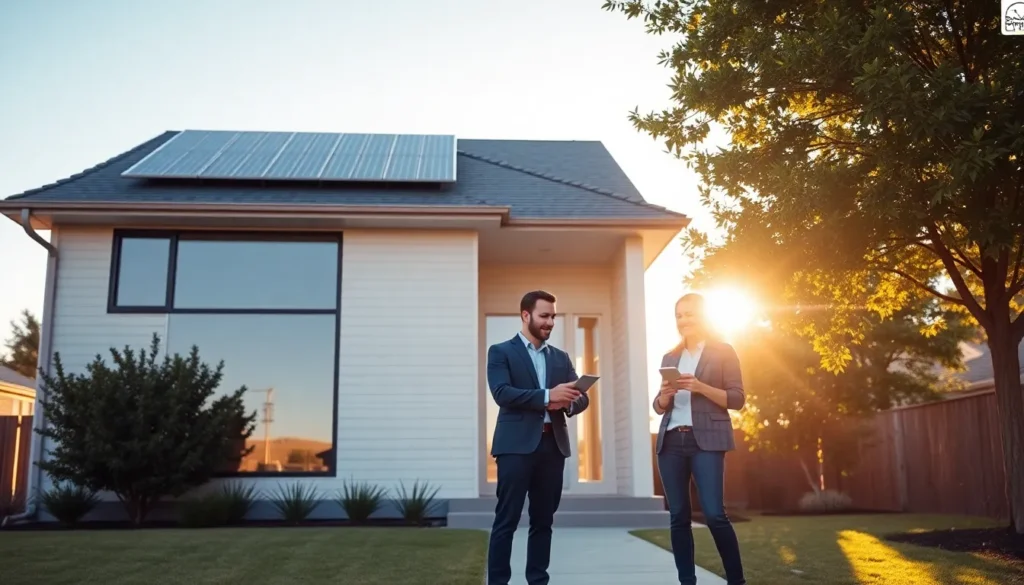
Solar panels have dropped 70% in price over the past decade. A typical residential system costs $15,000-$25,000 before incentives. Federal tax credits currently cover 30% of installation costs, and many states offer additional rebates.
Solar panels last 25-30 years with minimal maintenance. Most systems pay for themselves within 6-10 years through utility savings. After that, homeowners essentially get free electricity.
Net metering programs allow solar owners to sell excess power back to the grid. This credit offsets electricity used at night or during cloudy periods.
Battery Storage
Home batteries store solar energy for use when the sun isn’t shining. Products like Tesla Powerwall and LG Chem provide backup power during outages while maximizing solar self-consumption.
Battery costs remain high but are falling steadily. For homes in areas with time-of-use electricity rates, batteries can store cheap off-peak power for use during expensive peak hours.
Other Renewable Options
Small wind turbines work well on rural properties with consistent wind resources. Geothermal heat pumps use stable underground temperatures to heat and cool homes with remarkable efficiency, though installation requires significant upfront investment.
Each renewable option suits different situations. Solar works best in sunny regions with south-facing roof space. Geothermal fits homes with available land and high heating/cooling demands.