
Top energy-efficient homes combine smart design with advanced building strategies to reduce energy consumption significantly. These homes use less power, produce fewer emissions, and cost less to operate than traditional houses. Whether someone plans to build new or upgrade an existing property, understanding what makes a home energy-efficient matters more than ever. Energy costs continue to rise, and climate concerns push homeowners toward greener solutions. This guide covers the essential features, popular styles, and real benefits of high-performance energy-efficient homes.
Table of Contents
ToggleKey Takeaways
- Top energy-efficient homes use tight building envelopes, high-performance HVAC systems, and ENERGY STAR appliances to reduce energy consumption by up to 90%.
- Double or triple-pane windows with low-E coatings and proper insulation are essential features that prevent heat loss and improve comfort.
- Solar panels, geothermal heat pumps, and battery storage systems allow energy-efficient homes to achieve net-zero or even surplus energy production.
- Homeowners can save $200–$400 per month on utilities, adding up to $72,000–$144,000 over a 30-year mortgage.
- Energy-efficient homes sell for 2–8% more than standard homes while producing 4–6 fewer tons of CO₂ annually.
- Passive House designs, earth-sheltered homes, and modern prefabricated options offer multiple pathways to achieving top energy efficiency.
What Makes a Home Energy-Efficient
An energy-efficient home minimizes wasted energy while maintaining comfort. Several factors determine a home’s efficiency rating.
First, the building envelope plays a critical role. This includes walls, roofs, floors, windows, and doors, everything that separates inside air from outside air. A tight envelope prevents heat from escaping in winter and keeps cool air inside during summer.
Second, efficient homes use high-performance HVAC systems. Modern heat pumps, for example, can heat and cool a home using 50% less electricity than conventional systems. Proper sizing matters too. An oversized system cycles on and off frequently, wasting energy and wearing out faster.
Third, appliances and lighting make a difference. ENERGY STAR-certified refrigerators, washers, and LED bulbs consume far less power than older models. A typical LED bulb uses 75% less energy than an incandescent bulb and lasts 25 times longer.
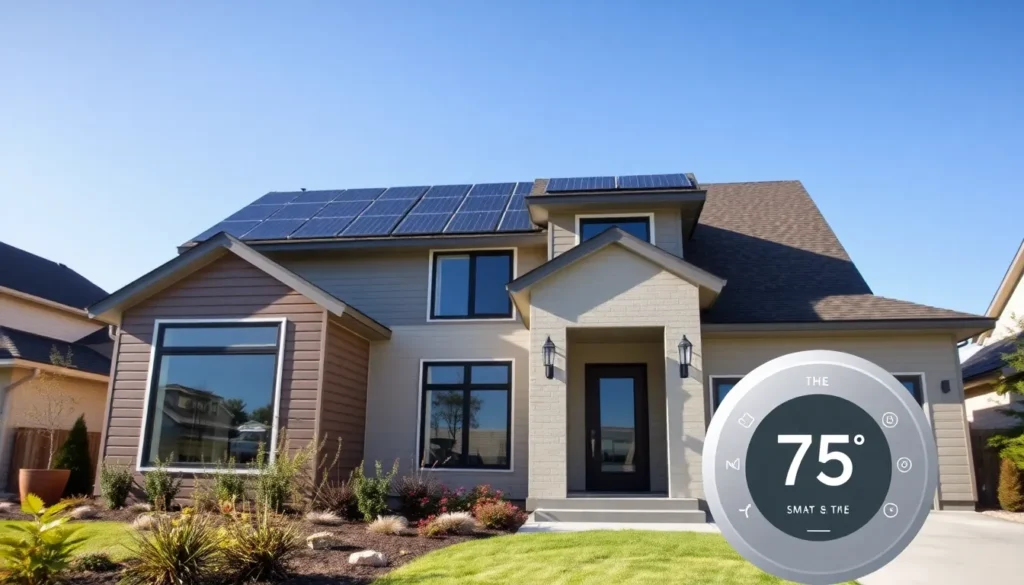
Finally, energy-efficient homes often incorporate smart technology. Programmable thermostats, occupancy sensors, and energy monitoring systems help homeowners track and reduce consumption. These devices learn usage patterns and adjust settings automatically.
Key Features of High-Performance Energy-Efficient Homes
Top energy-efficient homes share specific features that work together to reduce energy use. Here are the most important ones.
Insulation and Building Envelope
Proper insulation forms the foundation of any energy-efficient home. Walls, attics, and floors need adequate insulation to prevent heat transfer. The R-value measures insulation effectiveness, higher numbers mean better performance.
Spray foam insulation seals gaps and cracks that traditional batts miss. It expands to fill cavities completely, creating an airtight barrier. Many top energy-efficient homes use continuous exterior insulation to eliminate thermal bridging through studs and framing.
Air sealing works alongside insulation. Builders caulk penetrations, seal ductwork, and install weatherstripping around openings. A blower door test can identify leaks that compromise efficiency.
Windows and Doors
Windows represent a significant source of energy loss in most homes. Energy-efficient homes use double or triple-pane windows with low-E coatings. These coatings reflect infrared light, keeping heat inside during winter and outside during summer.
Argon or krypton gas fills the space between panes, providing additional insulation. Frame material matters too. Fiberglass and vinyl frames insulate better than aluminum.
Doors need similar attention. Insulated steel or fiberglass doors with magnetic weatherstripping prevent drafts. Some energy-efficient homes feature vestibules or airlocks at main entrances to reduce air exchange.
Renewable Energy Systems
Solar panels top the list of renewable features in energy-efficient homes. Rooftop photovoltaic systems generate electricity from sunlight, offsetting grid consumption. Battery storage systems let homeowners use solar power after dark.
Solar water heaters reduce the energy needed for hot water by 50-80%. Geothermal heat pumps tap into stable underground temperatures to heat and cool homes efficiently. These systems cost more upfront but deliver long-term savings.
Some energy-efficient homes achieve net-zero status, producing as much energy as they consume annually. Others go further, generating surplus power that feeds back into the grid.
Popular Energy-Efficient Home Styles
Several architectural styles lend themselves to energy efficiency. Each offers unique advantages.
Passive House designs meet strict certification standards. These homes use 90% less heating and cooling energy than conventional buildings. They rely on super-insulation, airtight construction, and heat recovery ventilation. Passive House certification requires passing rigorous testing.
Earth-sheltered homes use soil as natural insulation. Built partially or fully underground, they maintain stable temperatures year-round. Heating and cooling costs drop dramatically in these structures.
Modern farmhouse and contemporary designs increasingly incorporate energy-efficient features. Large south-facing windows capture passive solar heat in winter. Deep overhangs shade those same windows in summer, reducing cooling loads.
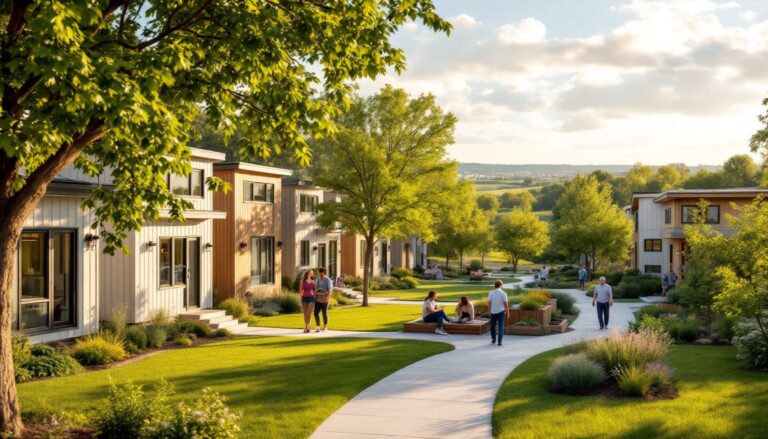
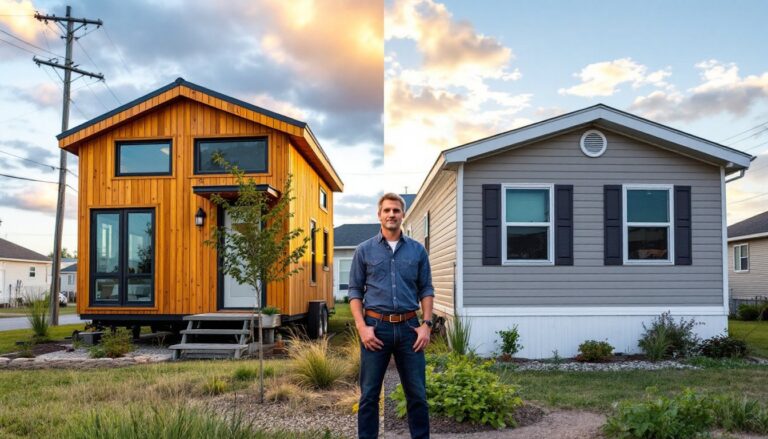
Prefabricated and modular homes offer another path to efficiency. Factory construction allows precise quality control and minimal waste. Many manufacturers now build to energy-efficient specifications, delivering high-performance homes at competitive prices.
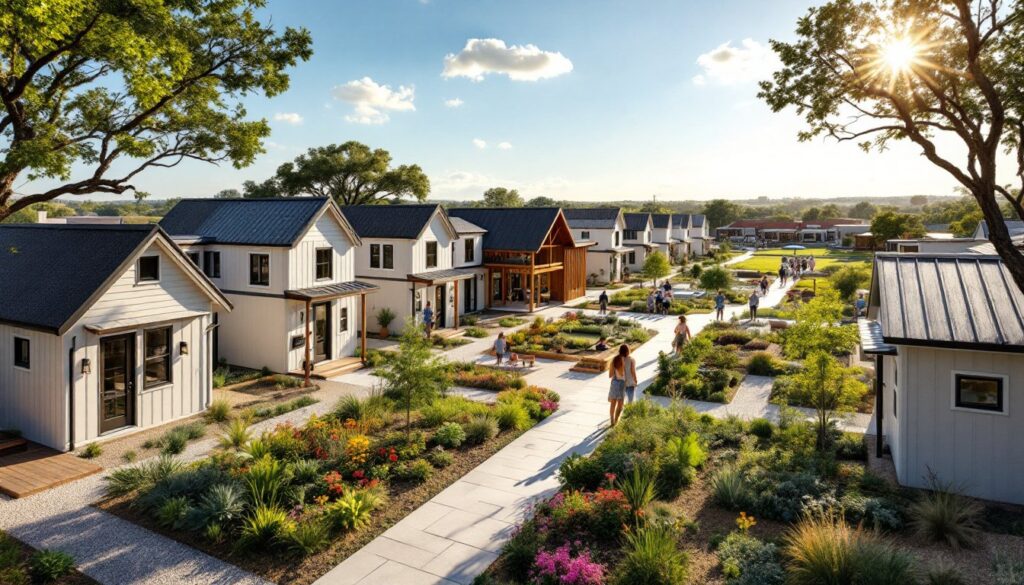
Tiny homes deserve mention too. Their small footprint requires less energy to heat, cool, and light. Many tiny home owners live off-grid using solar power and composting toilets.
Benefits of Living in an Energy-Efficient Home
Energy-efficient homes deliver benefits beyond lower utility bills. Here’s what homeowners gain.
Monthly savings add up quickly. The average energy-efficient home saves $200-400 per month on utilities compared to a standard home. Over a 30-year mortgage, that equals $72,000-144,000 in savings.
Comfort improves noticeably. Consistent temperatures throughout the home eliminate hot and cold spots. Better insulation also reduces outside noise, creating a quieter living environment.
Indoor air quality tends to be better in energy-efficient homes. Mechanical ventilation systems filter incoming air, removing allergens and pollutants. Tight construction keeps out dust, pollen, and humidity.
Resale value increases too. Studies show energy-efficient homes sell for 2-8% more than comparable standard homes. Buyers appreciate lower operating costs and modern features.
Environmental impact matters to many homeowners. A typical energy-efficient home produces 4-6 fewer tons of carbon dioxide annually. That’s equivalent to taking one car off the road each year.
Finally, energy-efficient homes provide resilience during power outages. Solar panels with battery backup can keep essential systems running. Superior insulation maintains comfortable temperatures longer without active heating or cooling.