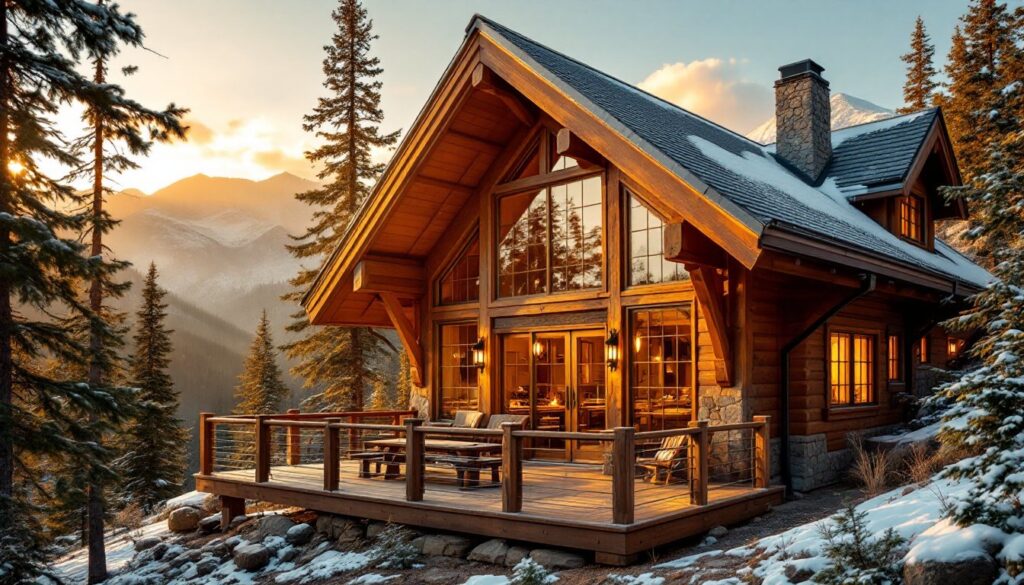

The image of a small chalet, steep-pitched roof, wood siding, a stone fireplace, and wide windows framing mountain views, has captured the imagination of homeowners for generations. But small chalet homes aren’t just a fantasy anymore: they’re becoming a legitimate lifestyle choice for people seeking to escape urban sprawl and live more intentionally. Whether you’re drawn to the architectural charm, the promise of lower utility bills, or simply the idea of a retreat in nature, understanding what defines a chalet and how to make one work for your needs is the first step. This guide walks you through what makes these homes tick, from design fundamentals to practical living strategies that go beyond aesthetics.
Table of Contents
ToggleKey Takeaways
- Small chalet homes typically range from 800 to 2,000 square feet and feature steeply pitched roofs, exposed timber framing, and stone fireplaces designed for mountain living and snow management.
- Building a small chalet from scratch costs $150 to $250 per square foot in US mountain regions, with a 1,200-square-foot chalet estimated between $180,000 to $300,000 before land and permits.
- Vaulted ceilings, open-beam construction, and vertical storage solutions maximize usable space, allowing residents to avoid feeling cramped despite compact square footage.
- Annual heating costs range from $1,500 to $3,000, while wood siding maintenance ($3,000 to $8,000 every 7–10 years) and roof upkeep are essential non-negotiable expenses for small chalets.
- Success with small chalet homes requires honest self-assessment about isolation, seasonal maintenance challenges, and hands-on work—research local communities and speak with current residents before committing.
- Mountain proximity and nature-based living foster intentional, slower lifestyles with documented mental health benefits, but require genuine enthusiasm for self-reliant living and seasonal adaptability.
What Defines a Small Chalet Home
A chalet is more than just a style: it’s a functional response to mountain living. Traditionally Swiss in origin, the chalet design prioritizes snow load management, wind resistance, and warmth, practical concerns that shaped its distinctive look.
Small chalets typically range from 800 to 2,000 square feet, though the definition varies by region and personal preference. The hallmark features include a steeply pitched roof (often 45 degrees or steeper) that sheds snow and rain, substantial overhanging eaves that shelter the home’s exterior, and heavy timber framing left exposed or visible. Walls are typically built with insulation-friendly materials: log construction, timber frame with infill, or conventional framing with generous insulation depths.
The key distinction from a cottage or cabin is intentional: chalets embrace a particular alpine vernacular. You’ll see wide front porches, window placement designed to capture views and daylight, and materials chosen for durability in extreme weather. Load-bearing considerations are central, the roof must handle significant snow accumulation in many climates, so structural integrity isn’t cosmetic: it’s code-driven.
What makes a chalet “small” is the footprint, not the perceived coziness. Many homeowners pack efficient layouts into under 1,500 square feet and feel anything but cramped because of ceiling height and the visual expansiveness of open-plan living.
Design Features That Make Chalets Charming
The visual appeal of a chalet comes from deliberately stacked design choices. Every element, from the roofline to the window trim, works together to create that unmistakable alpine character.
Interior spaces often feature vaulted or cathedral ceilings that follow the roofline, creating visual height and a sense of openness in compact square footage. Open-beam construction leaves timber structure exposed, adding warmth and texture that no drywall can replicate. Stone fireplaces aren’t just decorative: they provide thermal mass and become a genuine focal point in living areas.
Windows are strategically large, especially on south- and east-facing walls, maximizing solar gain during winter and framing landscape views. Dormers or shed roof extensions provide additional usable floor area upstairs without excessive roof pitch changes. Balconies and decks, often with sturdy wood railings, extend living space outdoors and provide practical snow staging areas.
Color palettes lean toward warm, earthy tones: warm grays, honey-colored woods, deep burgundy or forest green accents. These aren’t arbitrary choices: they ground the home visually and complement surrounding forest or mountain vistas.
Architectural Elements and Materials
Timber is the backbone of chalet construction. Solid wood beams (whether hand-hewn or milled), wood siding, and exposed joists aren’t just aesthetic, they regulate humidity, provide structural redundancy, and age beautifully. Fir, pine, and spruce are traditional choices for their availability and workability.
Foundations matter enormously in mountain environments. Concrete piers or full basements prevent frost heave in freeze-thaw cycles and manage moisture ingress from snowmelt. Stone or stacked-timber skirts create that rustic look while protecting the foundation. Roofing typically uses metal standing seam or composite shingles rated for high wind and heavy snow loads (Class 4 impact resistance or higher, depending on local codes).
Interior finishes often combine exposed framing with plaster, sheetrock, or tongue-and-groove wood walls. Flooring favors wood or tile (which handles tracked-in snow and mud) in high-traffic areas, with area rugs defining zones in open layouts. Kitchens and bathrooms are compact but well-appointed: small chalets don’t sacrifice function for square footage.
Budget Considerations for Small Chalet Living
Small chalets carry unique cost implications that differ from standard residential construction. The initial purchase price depends heavily on location, mountain property commands premiums, but the operational costs and renovation budget need separate planning.
Building from scratch in 2026 costs $150 to $250 per square foot for basic chalet construction in most US mountain regions, though this fluctuates with material availability and labor rates. That puts a 1,200-square-foot chalet in the $180,000 to $300,000 range before land, permits, and site work. Retrofitting an existing chalet or cottage to achieve modern efficiency standards runs $50,000 to $100,000 depending on insulation, HVAC, and electrical upgrades.
Heating costs are real. Even well-insulated chalets in cold climates require robust heating systems. A combination of a high-efficiency furnace or heat pump with a wood-burning stove or pellet insert provides redundancy and cost control. Budget $1,500 to $3,000 annually for heating, depending on climate and fuel choice.
Maintenance is non-negotiable. Wood siding requires staining or painting every 7 to 10 years (budget $3,000 to $8,000 for exterior work on a 1,200-square-foot home). Roof maintenance, especially after heavy snow, and chimney cleaning are annual essentials. Metal roofing costs more upfront but lasts 40–50 years versus 20–25 years for composition shingles, offsetting the investment over time.
Small-footprint advantages include lower property tax assessments and reduced utility consumption. But, if the property is a second home or rental, factor in property management, vacancy periods, and seasonal maintenance shutdowns. Financing a small chalet follows standard mortgage rules, though remote or recreational properties sometimes carry higher interest rates.
Interior Design and Space Optimization Tips
Living small in a chalet means every square foot earns its keep. Open-plan layouts are standard, combining living, dining, and kitchen spaces, but thoughtful zoning prevents the home from feeling chaotic.
Vertical storage is your best friend. Built-in shelving around windows, tall cabinetry that climbs to 9-foot or vaulted ceilings, and loft spaces maximize usable area. A well-designed loft bedroom accessible by a narrow staircase or ship’s ladder adds 200+ square feet of sleeping area without floor footprint. Ensure adequate headroom (minimum 7 feet clear for safety and building code compliance) and ventilation.
Furniture selection matters profoundly. Heavy, solid wood pieces echo the chalet aesthetic and age better than flat-pack alternatives. Avoid oversized sectionals: instead, opt for a quality sofa and a pair of accent chairs with clear sightlines through the space. Multi-functional pieces, ottomans with storage, tables with drop leaves, adapt to different uses without crowding.
Color and texture create visual interest without clutter. Warm lighting (2700K color temperature) from recessed fixtures or pendant lights over islands softens the industrial feel of exposed beams. Area rugs define zones and add acoustic absorption. Artwork and mirrors on walls break up timber surfaces and expand perceived space.
Kitchens in small chalets work best with galley or L-shaped layouts. Tall cabinetry with glass doors on upper units maintains openness. Granite or butcher-block counters are durable choices: avoid trendy finishes that date quickly in a timeless-leaning space. An island or peninsula seating for two creates casual dining without a separate table.
Bathrooms require careful layout. A single full bath plus a compact half bath is typical. Corner sinks, pedestal units, or floating vanities preserve floor space. Tile or waterproof sheetrock on all walls handles humidity: ventilation via an exhaust fan ducted outside (not into the attic) prevents mold. Designs inspired by contemporary interior design trends balance minimalism with the warmth chalets demand.
Location and Lifestyle Benefits
The location of a small chalet fundamentally shapes your living experience and long-term satisfaction. Mountain communities, lake areas, and forested regions are the natural settings, but proximity to amenities matters.
Accessibility is often the trade-off. A chalet 45 minutes from the nearest town offers solitude and lower property costs but demands self-sufficiency and tolerance for isolation. Reliable internet is now table stakes: confirm broadband availability before committing. Winter road access is critical in snow zones, some seasonal roads close, effectively locking you in or out for months. Check with local road departments about maintenance schedules and snow-removal priorities.
Community character varies wildly. Some chalet communities are tight-knit: others are diffuse second-home clusters. Understand local zoning regulations, homeowners’ association rules (if applicable), and whether the area supports seasonal tourism or year-round residents. These factors affect noise, traffic, and the availability of services.
The lifestyle appeal is genuine. Small chalets encourage slower living, cooking from scratch on snowy weekends, stacking firewood, tending gardens in summer months. Outdoor recreation (skiing, hiking, fishing) is often steps away. Mental health research consistently supports nature proximity and smaller living spaces: the combination can foster intentionality and well-being.
But, be realistic about the work. Snow removal, ice dams, wet basements, and extended isolation aren’t romantic: they’re labor-intensive. If you’re not genuinely drawn to self-reliant living, the novelty wears quickly. Talk to existing residents about their actual experience, not just the Instagram version.
Small-space living strategies championed by home design experts apply equally to mountain chalets. Ruthless decluttering, intentional acquisitions, and regular seasonal purges keep a compact home functional. Rustic renovation and farmhouse design approaches offer aesthetic inspiration while respecting the practical constraints of remote living.
Conclusion
Small chalet homes offer a compelling alternative to sprawling suburban living, blending aesthetic charm with genuine functional advantages when approached thoughtfully. Success hinges on honest self-assessment: Are you prepared for isolation, seasonal challenges, and hands-on maintenance? Do the location, budget, and lifestyle align with your actual priorities, not an idealized version?
Start by visiting existing chalets and speaking with owners about the realities. Sketch your day-to-day living patterns in compact square footage. Research local building codes, zoning, and property taxes. The chalet lifestyle rewards preparation and realistic expectations, and disappoints those chasing Instagram dreams without the grounded work beneath them.