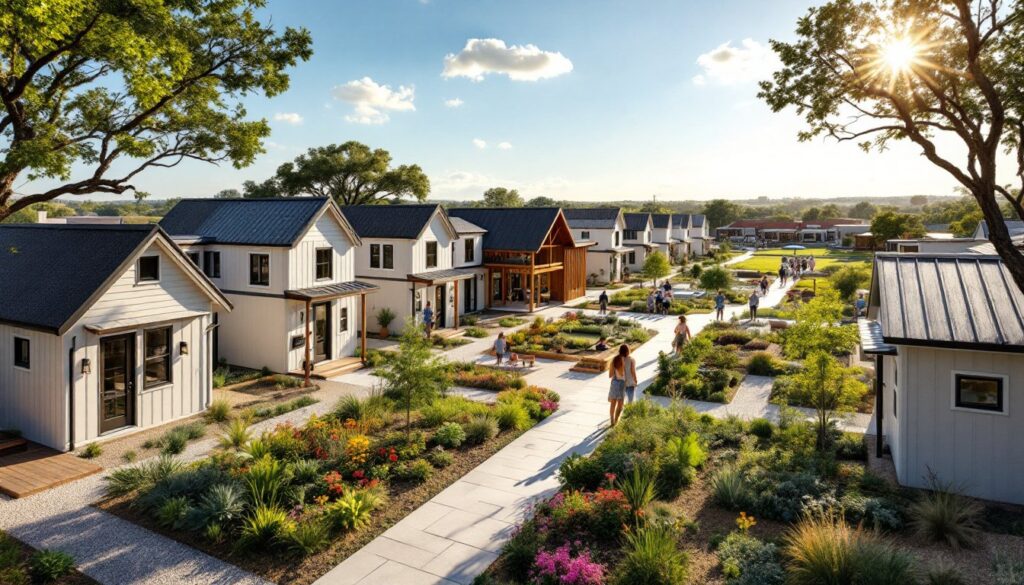
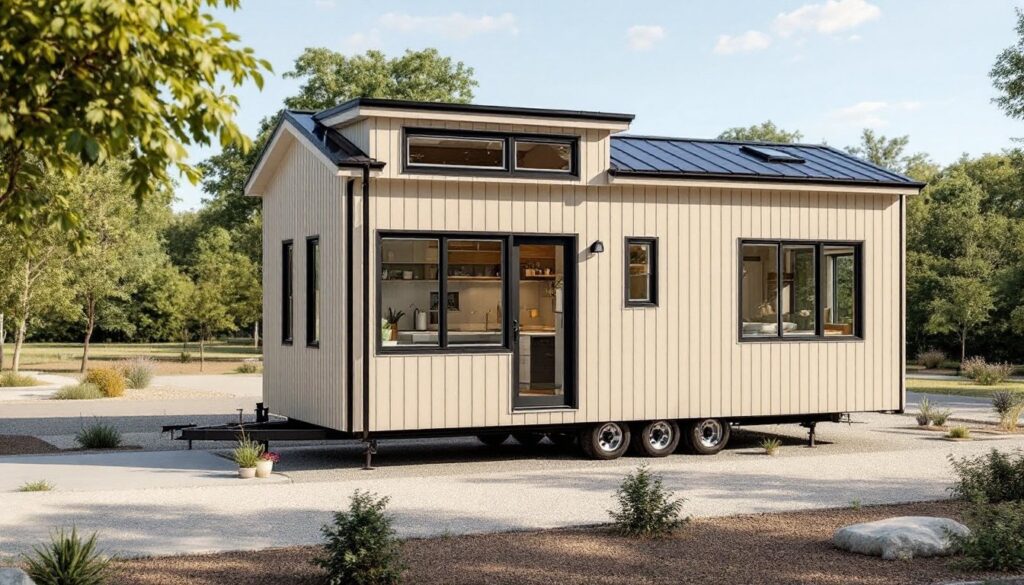

Three bedroom tiny homes are redefining what’s possible in compact living spaces. Whether you’re downsizing, looking to minimize expenses, or seeking a more sustainable lifestyle, a three bedroom tiny home proves that you don’t need sprawling square footage to raise a family or host guests comfortably. These homes typically range from 700 to 1,200 square feet, roughly one-third the size of a traditional American home, yet still deliver multiple bedrooms, functional kitchens, and livable bathrooms. In 2026, as housing costs climb and environmental awareness grows, three bedroom tiny homes offer a practical answer to the modern homeowner’s dilemma: how to live well without very costly.
Table of Contents
ToggleKey Takeaways
- Three bedroom tiny homes typically range from 700 to 1,200 square feet with intentional design that maximizes usable space, making them a practical solution for families seeking affordability and sustainability.
- Smart layout strategies like open-concept living, multi-functional rooms with Murphy beds, and vertical storage can reduce wasted hallway space by 50+ square feet while maintaining separate, comfortable bedrooms.
- Construction costs for a three bedroom tiny home average $150 to $300 per square foot, resulting in total build prices of roughly $105,000 to $360,000—significantly lower than conventional homes.
- Utility costs drop 40 to 60 percent in a three bedroom tiny home compared to standard homes, with long-term savings compounding over a 30-year mortgage through reduced heating, cooling, and electricity needs.
- Verify local zoning codes and building permits before committing, as many municipalities restrict or prohibit tiny homes, and foundation type (permanent slab versus trailer-based) affects cost, permanence, and resale value.
- Interior success depends on light neutral colors, proportional multi-functional furniture, wall-mounted storage solutions, and strategic decluttering to maintain visual openness and avoid cramped feelings in compact living spaces.
What Defines a Three Bedroom Tiny Home
A three bedroom tiny home isn’t just any small house, it’s a deliberately designed dwelling that maximizes usable living space within a compressed footprint. The National Tiny House Association generally defines a tiny home as under 400 square feet on a single floor, though modern three bedroom versions stretch this definition to accommodate more residents.
Typical three bedroom tiny homes range from 700 to 1,200 square feet and usually include one full bathroom and a half bath, an open-concept kitchen and living area, and three separate bedrooms ranging from 80 to 120 square feet each. The “tiny” designation doesn’t mean cramped, it means intentional. Every square inch serves a purpose, and vertical space becomes as valuable as floor area.
What distinguishes these homes from standard small houses is the design philosophy. Rather than simply shrinking conventional layouts, three bedroom tiny homes employ efficient floor plans, built-in storage, and flexible room usage to make the space work harder. Many sit on permanent foundations, though some are built on trailers for mobility. Building codes and zoning regulations vary by jurisdiction, so local requirements will influence whether your tiny home needs utilities hookups, setback distances, or special permits.
Layout and Space Optimization Strategies
Smart layout design separates a livable tiny home from a confusing one. Most successful three bedroom tiny homes use an open-concept living and kitchen area to maximize the sense of space while tucking bedrooms into separate, quieter zones.
The kitchen typically sits at one end of the main living area, using a peninsula counter or galley layout to maintain sightlines without eating into floor space. Appliances are sized for compact homes, a 36-inch-wide refrigerator, 24-inch-deep range, and stainless steel compact dishwashers are standard. Storage becomes critical here: vertical cabinets, pull-out pantries, and overhead shelving multiply usable storage without bulk.
Living and dining areas flow together, often separated by subtle furniture placement rather than walls. A sectional sofa with storage underneath, paired with a small dining table that can fold or expand, lets a family gather while preserving floor area for movement.
Multi-Functional Room Design
The secret weapon in tiny home design is versatile rooms. A primary bedroom might include a workspace tucked into an alcove, or a guest room could double as a home office with a Murphy bed that folds into the wall. Second and third bedrooms are genuinely separate spaces, no glorified closets, typically 10 by 12 feet, which comfortably fits a full bed, small dresser, and closet.
Bathrooms use space efficiently with a combined shower and tub (or shower only), wall-mounted sinks, and vertical storage solutions like medicine cabinets and shelving above the toilet. Hallways are minimal: traffic flows from rooms into main living areas rather than through dedicated corridors. Some designs eliminate a hallway altogether by arranging bedrooms around a central living core, reducing wasted space by 50 square feet or more.
Proper underlayment and flooring choices matter too. Vinyl plank or polished concrete surfaces unify the compact footprint visually and are easier to clean when space feels tight. Lighter colors and strategic mirrors amplify perceived spaciousness.
Building and Design Considerations
Before committing to a three bedroom tiny home, understand the structural and regulatory landscape. If you’re building new, you’ll need to verify local zoning codes, many municipalities restrict tiny homes to specific neighborhoods or lot sizes, or prohibit them entirely in residential zones. Check setback requirements, minimum lot size, and whether your jurisdiction requires a residential building permit and inspections.
Foundation type significantly affects cost and permanence. A permanent concrete slab or stem wall costs more upfront but offers stability and future resale appeal. Trailer-based tiny homes are mobile but face parking and zoning restrictions in many areas. Some jurisdictions classify trailer-based homes differently for tax and permit purposes, so clarify this early.
Material selection influences both durability and maintenance. Exterior options range from traditional vinyl siding (affordable, low-maintenance) to metal panels (modern, durable) or wood cladding (aesthetically warm but requires periodic staining). Roof pitch must be at least 4:12 for standard shingles: steeper pitches shed water better but increase framing complexity and material cost.
Insulation and mechanical systems deserve extra attention in compact homes. High-quality wall insulation (R-15 to R-19) and quality air sealing prevent heat loss and drafts that feel worse in small spaces. HVAC systems must be properly sized, oversized units cycle inefficiently, undersized ones struggle. Many tiny homes use split-system heat pumps or radiant floor heating for efficient comfort. Electrical and plumbing runs should be planned during framing to avoid rework later.
Cost Benefits and Financial Advantages
The financial case for three bedroom tiny homes is compelling. Construction costs average $150 to $300 per square foot, compared to $200 to $400+ for conventional homes, yielding a total build price of roughly $105,000 to $360,000 depending on finishes and location. But, this is a regional estimate: actual costs vary based on labor availability, material prices, and local permitting complexity.
Utility costs drop dramatically. A smaller footprint means lower heating and cooling loads, reduced hot water demand, and lower electricity consumption, often 40 to 60 percent less than standard homes. Over a 30-year mortgage, these savings compound significantly.
Property taxes and insurance typically follow assessed value, which favors tiny homes. A $200,000 tiny home carries considerably lower annual tax burden than a $450,000 conventional home. Insurance premiums similarly reflect lower replacement value and claim exposure.
Mortgage approval can be trickier with tiny homes, as some lenders consider them unconventional collateral. Working with a mortgage lender experienced in tiny home financing or exploring FHA Title II loans specifically designed for smaller homes streamlines the process. Some buyers finance through personal loans or home equity lines of credit if traditional mortgages face barriers.
Practical Decor and Interior Solutions
Living well in a three bedroom tiny home hinges on interior choices that maintain function and avoid visual clutter. The goal isn’t to sacrifice style, it’s to choose pieces and finishes that serve multiple purposes.
Color and light are your first tools. Light, neutral walls (whites, soft grays, warm beiges) reflect light and visually expand space. Pops of color come through textiles and art rather than painted walls. Large windows and strategic skylights add daylight and break up the enclosed feeling: if adding skylights, a qualified roofer should handle the installation to ensure proper flashing and load-bearing compliance.
Furniture should be proportional and multi-functional. A low-profile sectional with storage underneath, a dining table that extends for guests, and beds with drawers built into the frame all maximize efficiency. Wall-mounted desks, fold-down tables, and floating shelves reduce floor clutter. Storage islands in the kitchen serve as prep surface, seating, and pantry all at once.
Wall organization prevents chaos. Pegboards, wall-mounted bike racks, and hanging organizers keep daily items accessible without floor footprint. Open shelving in the kitchen displays frequently used items while hiding bulk pantry staples in lower cabinets. The rule: every item visible must earn its space through regular use or visual appeal.
Technology can help too. Murphy beds, sliding pocket doors, and adjustable shelving systems adapt as your household needs change. Many homeowners find design blogs and resources on Apartment Therapy and Dwell invaluable for small-space solutions and material inspiration. Television and media consoles should be wall-mounted to free floor area. Storage benches at entryways corral shoes, bags, and seasonal items out of sight.
Conclusion
Three bedroom tiny homes represent a practical shift in how modern families approach housing. With thoughtful design, proper material selection, and honest space planning, these compact dwellings deliver genuine comfort and livability. The financial savings and reduced environmental footprint make them an increasingly attractive option as 2026 brings higher costs and tighter housing markets. Whether you’re building new or exploring existing options, a three bedroom tiny home offers a refreshing alternative to oversized, expensive living.