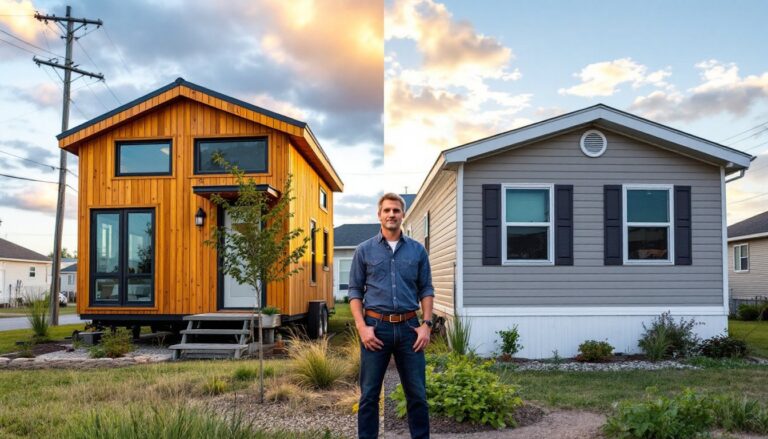

Tiny homes have moved beyond a novelty into a practical, sustainable choice for homeowners seeking affordability, simplicity, and intentional living. Whether you’re drawn to the cost savings, reduced environmental footprint, or the challenge of downsizing, the real work starts with a solid floor plan. A well-designed tiny home floor plan maximizes every square foot, blending functionality with comfort so that living small doesn’t feel like sacrifice. This guide walks you through the principles, layouts, and practical strategies that make tiny home living work.
Table of Contents
ToggleKey Takeaways
- A well-designed tiny home floor plan maximizes every square foot by treating each inch as intentional, eliminating wasted space and prioritizing functionality that aligns with your lifestyle.
- Open-concept layouts create visual spaciousness in tiny homes, but require quality ventilation and flexible design elements like sliding doors or partial walls to manage kitchen odors and sounds.
- Vertical storage and right-scaled appliances (compact fridges, narrow stoves, pedestal sinks) are essential to tiny home floor plans rather than sacrifices, keeping the space proportional and uncluttered.
- Multi-functional furniture only works if you actually use both functions; honest self-evaluation prevents wasted money and space, so focus on pieces that solve real problems in your daily life.
- Lighting, outdoor connections, and intentional organization systems transform how spacious a tiny home feels—natural light from multiple windows and strategic outdoor areas extend your living space beyond the walls.
- The best tiny home floor plan depends on your household size, work-from-home needs, and social habits, so analyze how you actually live before choosing between studio, one-bedroom, gallery, or split-sleeping layouts.
Understanding Tiny Home Floor Plans
A tiny home floor plan is typically a layout for a dwelling under 400 square feet, though most hover between 200 and 350 square feet. Unlike a cramped apartment, a thoughtfully designed tiny home floor plan treats every inch as intentional, no wasted hallways, no oversized closets gathering dust, no rooms you never use.
The key difference between a small apartment and a tiny home floor plan is psychological. A tiny home owner actively chooses the space and designs it to fit their lifestyle. This ownership mentality changes how you approach layout, storage, and daily flow. You’re not fitting your life into a space: you’re designing a space around your actual habits.
Tiny home floor plans come in various configurations: single-story open plans, lofted designs with sleeping quarters above, and split-level layouts that maximize vertical space. The best choice depends on your household size, mobility needs, and how you actually spend your time at home. Most successful tiny home dwellers can tell you exactly where everything goes because the layout demands intentionality.
Key Design Principles for Small Spaces
Open-Concept Living
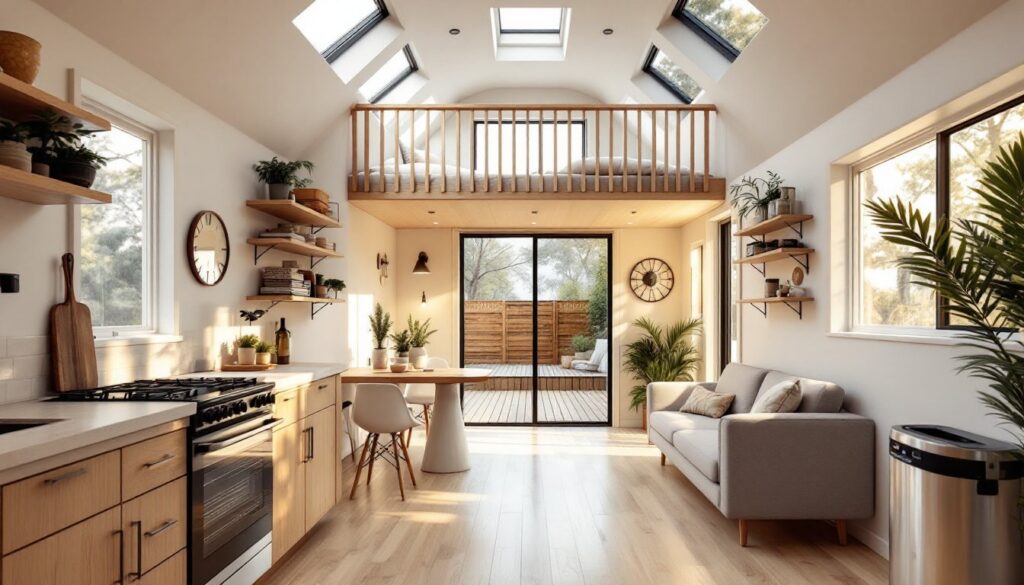
Open-concept remains the backbone of effective tiny home floor plans. Removing walls between the kitchen, living, and dining areas creates visual spaciousness and improves traffic flow. Instead of three cramped rooms, you get one multi-functional zone where light travels freely and sightlines extend to the farthest corner.
The trade-off is kitchen odors and cooking sounds reaching your bedroom or living area. Ventilation becomes critical, a quality range hood vented to the outside (not recirculated) is non-negotiable. Some tiny home dwellers use a partial wall, a sliding barn door, or even a folding screen to create a soft separation without closing off the space entirely. The goal is flexibility: seal the kitchen when needed, open it up when you want the sense of expansiveness.
Furniture placement and traffic patterns matter more in open-concept tiny homes. A poorly positioned sofa can block the entire flow: a strategically angled dining table becomes a natural room divider. Think of the layout as a series of overlapping zones rather than separate rooms.
Vertical Storage and Multi-Functional Furniture
When square footage is limited, go vertical. Wall-mounted shelving, tall pantries, and overhead storage above entryways and bathroom doors reclaim precious floor space. A 10-foot ceiling in a 200-square-foot room is an asset, use it.
Multi-functional furniture is essential but requires honest evaluation. A murphy bed with built-in desk or a sofa that converts to a guest bed sounds appealing, but if you never actually use the secondary function, you’ve wasted money and space. Focus on pieces that solve real problems in your life. Some successful tiny dwellers prefer a proper bed and ditch the guest space: others prioritize a dedicated workspace and accept a smaller sleeping area. There’s no universal answer, it’s about knowing yourself.
Closet systems deserve particular attention. Most tiny homes have minimal closet space, so custom dividers, hanging organizers, and under-shelf drawers become investments that pay dividends. Don’t cheap out on storage hardware: a warped shelf or broken drawer glides quickly become daily frustrations in a tight space.
Popular Tiny Home Floor Plan Layouts
The Studio-Style Layout combines sleeping, living, and dining into one open room with a separate kitchen and bathroom. At 250–300 square feet, it’s the simplest option and works well for single occupants or couples who don’t need separate work-from-home spaces. A lofted sleeping area above the entry frees up valuable floor space below for living.
The One-Bedroom Tiny Home dedicates a closed-off bedroom (typically 80–120 square feet) and keeps the living areas open. This layout suits families with young children, those who work from home and need separation, or anyone uncomfortable with an entirely open sleeping area. The enclosed bedroom provides a quiet retreat and distinct guest space.
The Gallery-Style Layout stretches a narrow floor plan with distinct zones along a central hallway or spine. Common in tiny homes on trailers, this layout maximizes wall space for storage and furniture placement. The downside is less flexibility and fewer sightlines: it can feel linear rather than spacious.
The Split-Sleeping Layout positions bedrooms or sleeping areas at opposite ends of the home. Useful for families or live-in caregivers, this design sacrifices some openness for privacy. Resources like 10 free floor plans for tiny homes show how builders balance these trade-offs across real-world examples.
Floor plan selection depends on household composition, work-from-home needs, and social habits. A couple who entertains frequently might prefer a larger common area and lofted sleeping quarters. A remote worker with kids needs enclosed spaces for focus and containment. Think honestly about how you actually live before choosing a layout.
Making the Most of Your Tiny Home Layout
Lighting transforms perceived space more than any other element. Natural light from multiple windows and skylights makes a tiny home feel open and airy. If your floor plan limits window placement, consider skylights, glass doors, or interior windows (borrowed light from one zone to another). Artificial lighting should layer ambient, task, and accent fixtures: poor lighting makes even spacious rooms feel cramped.
Color and finishes play a supporting role. Light, neutral walls expand visual space: dark accents add character without overwhelming. Continuous flooring (the same material throughout, rather than transitions between rooms) also enhances the sense of openness.
Outdoor space matters as much as indoor. A small porch, deck, or patio becomes an extension of your living area. Good tiny home floor plans account for this, sliding glass doors to a deck, a bathroom window overlooking a garden, or an outdoor dining area. Small space living ideas and home organization often emphasize this outdoor-indoor relationship.
Ventilation and climate control need deliberate planning. In an open-concept tiny home, one air conditioner or heater serves the entire space, so sizing it correctly is critical. Operable windows, ceiling fans, and thermostatic controls help regulate temperature across different zones. Poor ventilation leads to stuffiness and odors that feel amplified in tight quarters.
Appliance and fixture scale matters. Standard-sized refrigerators, stoves, and toilets look disproportionate in tiny homes. Consider compact refrigerators (24–28 inches wide), narrow stoves (20–24 inches), and pedestal sinks or wall-mounted vanities instead of bulky vanity cabinets. These choices aren’t sacrifices, they’re intentional sizing that fits the space.
Decluttering and organization systems aren’t optional: they’re structural. A tiny home with poor storage habits becomes chaotic fast. Simple living strategies and decluttering guides emphasize this reality. Invest in labeling, clear storage containers, and ruthless editing of possessions. The items you own should have a home: otherwise, they become visual clutter that shrinks the perceived space.
Conclusion
A successful tiny home floor plan isn’t about squeezing as much as possible into a small footprint, it’s about designing intentionally for the life you actually want to live. Open-concept flow, vertical storage, multi-functional design, and honest appraisal of your needs and habits form the foundation. The layouts and strategies that work vary by household, climate, and lifestyle. Start by understanding yourself: How do you work, relax, entertain, and sleep? Let that guide your floor plan choices, and you’ll build a tiny home that feels spacious, functional, and genuinely yours.