
Atlanta’s housing market has shifted dramatically in recent years, and tiny home communities are emerging as a practical answer to rising costs and changing lifestyle priorities. Whether you’re a first-time homebuyer priced out of traditional neighborhoods or someone ready to downsize and simplify, tiny home communities in Atlanta offer a compelling alternative. These intentional neighborhoods combine affordability, sustainability, and community in ways that conventional subdivisions often can’t match. This guide walks you through what tiny home communities are, why they’re gaining traction in Georgia’s capital, and what your options look like today.
Table of Contents
ToggleKey Takeaways
- Tiny home communities in Atlanta offer entry-level prices between $250,000–$400,000, significantly lower than traditional homes while reducing ongoing costs like utilities, property taxes, and maintenance.
- Atlanta’s updated zoning codes and flexible municipal ordinances have made tiny home community development possible, capitalizing on demand from first-time buyers, remote workers, and empty-nesters seeking affordable alternatives.
- Most tiny home communities emphasize sustainability through energy-efficient design, reduced consumption, and walkable layouts, aligning small-space living with environmental responsibility.
- Successful tiny home customization depends on vertical storage, layered lighting, open-plan layouts, and thoughtful use of outdoor space to maximize functionality within 600–900 square feet.
- Before investing in a tiny home community, visit in person, review HOA policies on rentals and modifications, and talk to current residents—community management and fit matter as much as square footage.
What Are Tiny Home Communities and Why They’re Growing in Atlanta
The Rise of Micro-Living in Georgia’s Capital
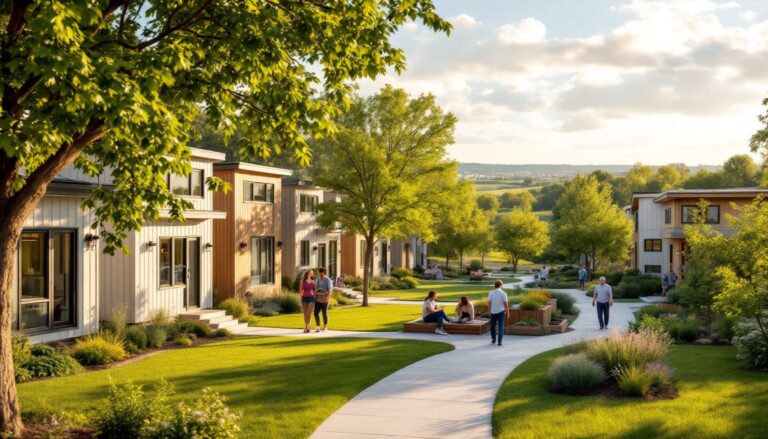
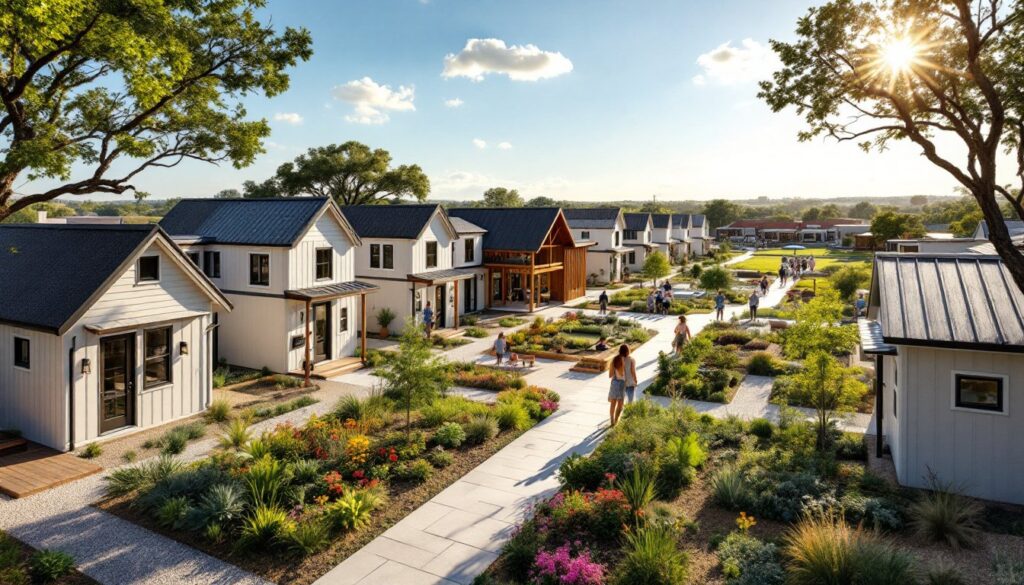
Tiny home communities aren’t just clusters of small houses, they’re carefully planned neighborhoods where residents share values around intentional living, financial practicality, and often environmental responsibility. Homes typically range from 400 to 1,200 square feet, though some go smaller. Unlike isolated tiny homes on rural land, community-based models put you among neighbors who’ve made similar lifestyle choices, with shared amenities and often walkable common areas.
Atlanta’s appeal for tiny home development stems from several factors. The city’s sprawling, car-dependent layout has created demand for alternatives that reduce commute stress. Rising property values in desirable in-town neighborhoods have priced out many middle-income buyers and renters. Younger professionals and empty-nesters alike are reconsidering the assumption that “bigger is better”, especially when it means higher property taxes, maintenance headaches, and less time for what matters.
From a development perspective, Atlanta’s zoning codes have gradually become more flexible. While Georgia’s state-level building codes still reflect traditional single-family standards, municipalities within the metro area, including some in-city districts, have updated ordinances to permit smaller lot sizes and attached or clustered housing. This regulatory shift has opened the door for developers to create communities that would’ve been impossible just five years ago.
Developers are also recognizing a built-in market. People downsizing from three-bedroom suburban homes, young families saving for larger purchases, and retirees wanting lower-maintenance living all see tiny homes as practical. The pandemic accelerated this trend, as remote work untethered some workers from downtown office commutes.
Benefits of Choosing a Tiny Home Community
Cost Savings and Investment Potential
The arithmetic of tiny home ownership is straightforward and compelling. Entry-level prices in Atlanta’s established tiny home communities typically range from $250,000 to $400,000, compared to $450,000+ for comparable traditional homes in the same neighborhoods. Lower purchase price translates directly to lower mortgage payments, property taxes, and homeowners insurance premiums.
Beyond the sale price, operating costs drop significantly. Smaller square footage means lower utility bills, heating and cooling a 600-square-foot home costs a fraction of a 2,000-square-foot house. Property taxes scale with assessed value and lot size, both lower in tiny home communities. Many communities also feature shared lawn maintenance or HOA services that bundle costs, eliminating the need for independent contractors.
From an investment angle, tiny home communities are still relatively new in Atlanta, which creates both opportunity and uncertainty. Early adopters in established communities have seen appreciation, particularly as the neighborhoods mature and waiting lists develop. But, resale can depend heavily on community reputation and local market conditions. Unlike standard single-family homes, a tiny home’s value is more tightly tied to the community itself and its management.
Sustainability and Efficient Living
Most tiny home communities emphasize environmental consciousness, not by accident, but by design. Smaller homes require fewer materials to build and less energy to operate. Many communities encourage or require energy-efficient appliances, insulation standards exceeding code minimums, and sometimes solar-ready roofing or actual installed systems.
Walking and biking replace car trips within and sometimes between communities. Shared amenities, whether a community garden, tool library, or co-working space, reduce individual consumption of resources and goods. Intentional community philosophies often align with waste reduction, locally sourced materials, and low-impact landscaping practices.
Living smaller also shifts mindset. Residents learn to distinguish between wants and needs, often reducing overall consumption. Some communities formalize this through bulk-buying groups or shared tool libraries that literally eliminate duplicate purchases across the neighborhood. The result isn’t deprivation, it’s intentionality. Research on small space living ideas shows that thoughtful design and community support make downsizing feel like a lifestyle upgrade, not a compromise.
Popular Tiny Home Communities in the Atlanta Area
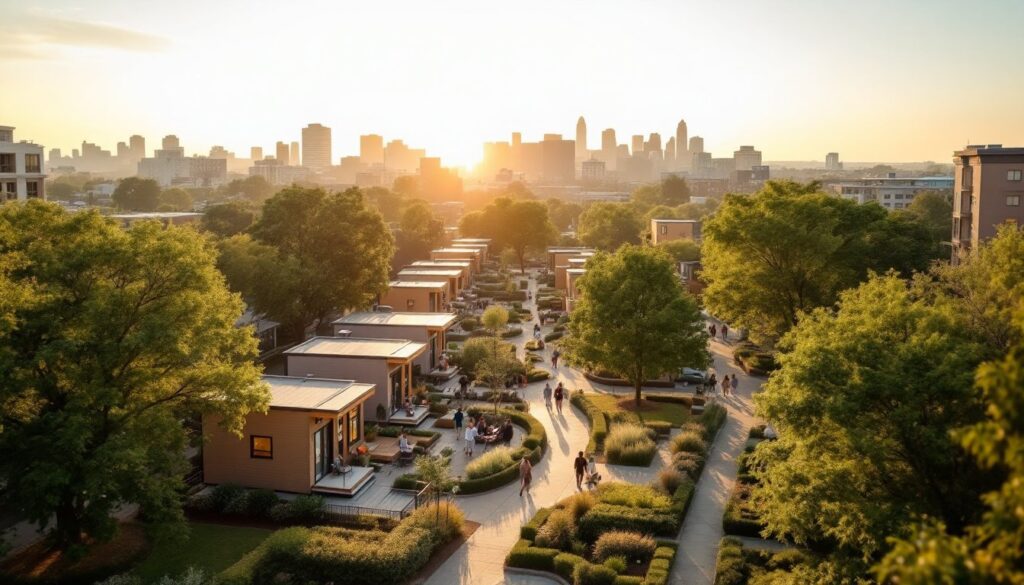
Atlanta’s tiny home landscape includes a mix of established, new, and under-development communities. East Atlanta has seen several projects emerge in the past three to four years, capitalizing on the neighborhood’s creative reputation and younger demographic. These communities typically feature 500–800 sq ft homes with modern finishes and shared green space.
West Atlanta areas like the areas around Westside neighborhoods host intentional communities blending tiny homes with co-working and community gardens. These tend to attract remote workers and freelancers who appreciate built-in professional space and neighbor collaboration.
In-town communities closer to Inman Park and nearby districts offer homes closer to 1,000–1,200 sq ft, at the larger end of the tiny spectrum, which appeals to families and those wanting more separation from neighbors. Some are renovated historic buildings, others new construction on infill lots.
Notably, an eco-friendly community outside of Atlanta has become a model for sustainable micro-living in the region. Located about 45 minutes outside the city, this community demonstrates how tiny homes can be integrated with nature conservation and strong community engagement. While further out, it’s worth considering if you prioritize environmental impact and community over urban proximity.
Before selecting a community, visit in person, talk to current residents, and review the HOA documents carefully. Policies on rentals, modifications, pet restrictions, and common area maintenance vary widely and directly impact your experience. Some communities thrive on an active, engaged board: others struggle with management transitions or policy conflicts. Your fit matters as much as the square footage.
Designing and Customizing Your Tiny Home Space
Once you’ve chosen a community and purchased a home, the real work begins: making 600–900 square feet feel spacious, functional, and truly yours. Unlike buying a pre-built suburban home, many tiny home communities allow or encourage customization, though some have design guidelines to preserve community aesthetics.
Layout is everything. Open-plan living feels larger and maximizes flow, but it sacrifices acoustic and visual separation. Many residents add partial walls, sliding doors, or architectural elements like soffits to define zones without full enclosure. Before walls come down or go up, check your HOA rules and confirm what requires approval.
Vertical storage isn’t optional, it’s mandatory. Floating shelves, tall cabinets, and lofted sleeping areas triple effective storage. A loft bedroom doesn’t require a permit in most tiny homes (confirm with your HOA), and it frees up ground-level square footage for living, working, or eating space. Install shelving 12–18 inches below ceiling height to maintain sight lines and prevent a cramped feel.
Lighting design matters more in small homes. A single overhead fixture makes a 600-sq-ft space feel cave-like: layered lighting, task, ambient, and accent, creates flexibility and depth. Recessed lights on dimmers, under-cabinet LED strips, and good natural light through windows all contribute to a sense of openness.
Material and color choices also affect perceived space. Light colors, matte finishes, and continuous flooring make rooms feel connected. Mirrors strategically placed opposite windows bounce light and expand visual depth. Avoid heavy wallpapers or dark wall colors unless you’re deliberately creating a cozy nook, it’ll shrink the feel of other areas.
Outdoor space becomes an extension of the home. Patios, decks, or small yard areas add functional living space without taking up interior square footage. Many tiny home communities include shared porches or common areas specifically designed to give residents overflow social space. Designing outdoor zones thoughtfully, with shade, seating, and defined areas, makes a 600-sq-ft interior feel much larger because you’re actively using adjacent outdoor rooms.
Customization costs vary wildly depending on what you change. A fresh paint job and new shelving might run $2,000–$5,000. A partial wall, electrical, or plumbing modification could run $5,000–$15,000 or more. Get contractor estimates early, review HOA approval timelines, and plan modifications during off-peak seasons if possible, when contractors are less rushed and more willing to negotiate pricing.
Tiny home living rewards thoughtful design. Take inspiration from home design news and urban living guides, but adapt ideas to your specific footprint and lifestyle. The best tiny homes feel custom because they reflect how the resident actually lives, not Pinterest aesthetics.