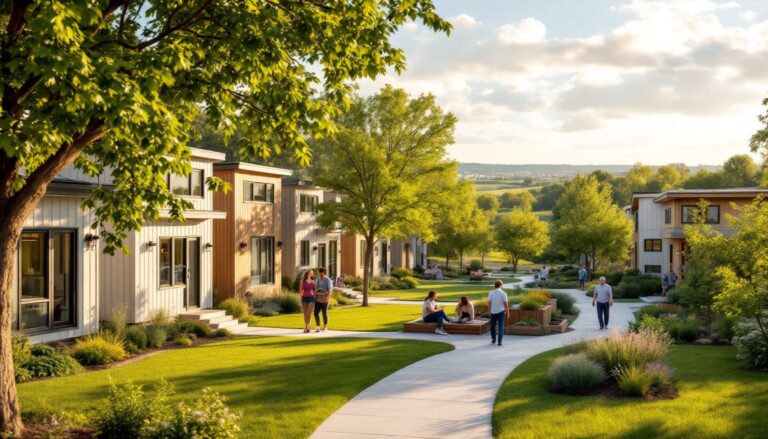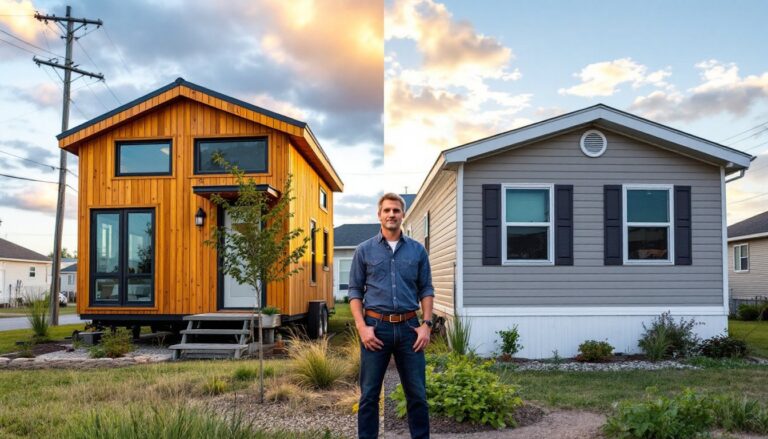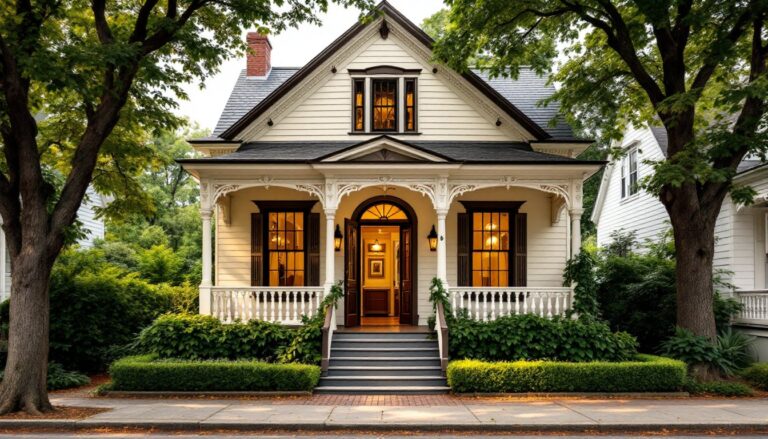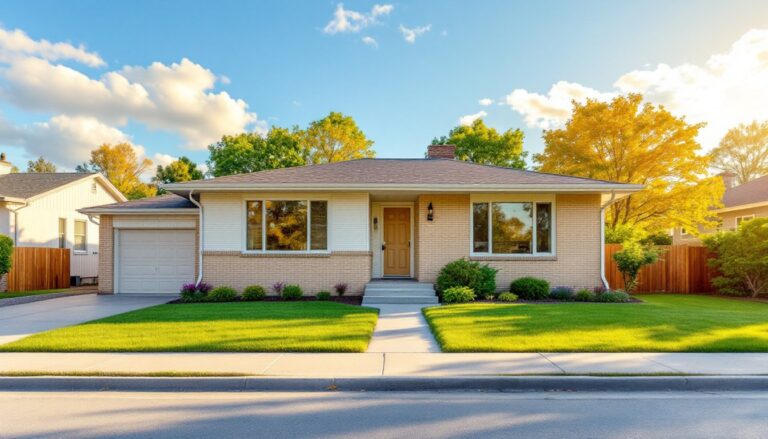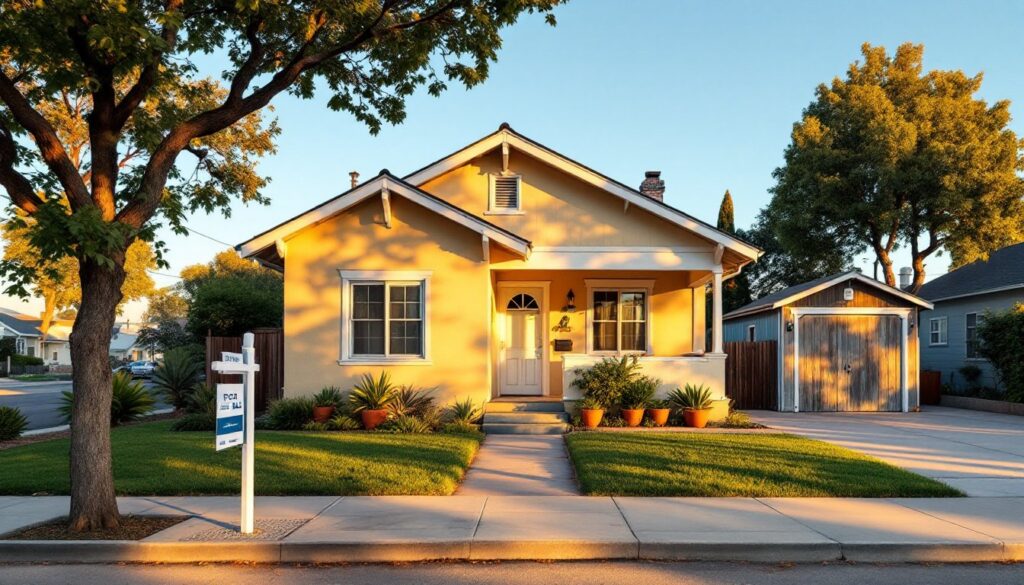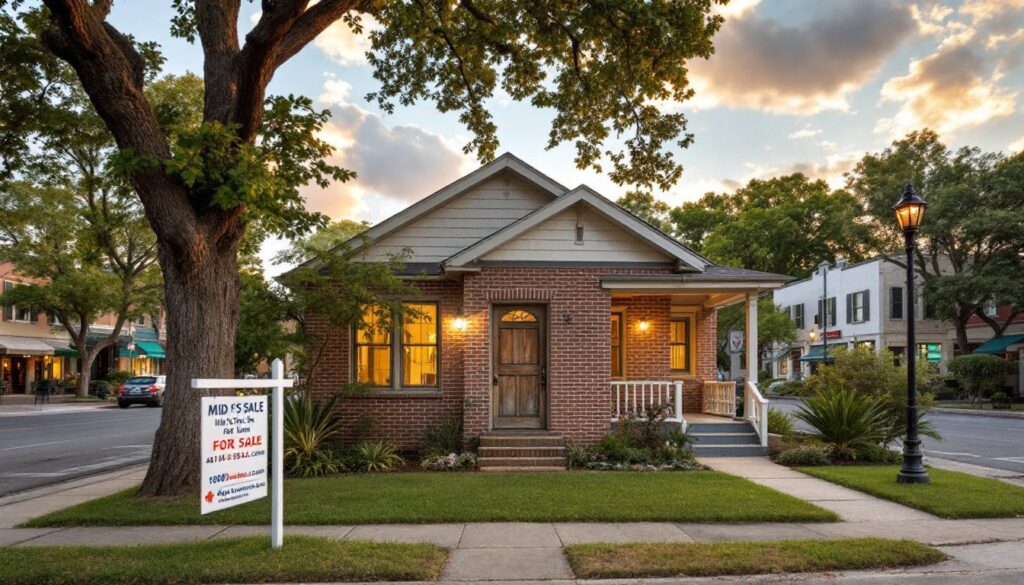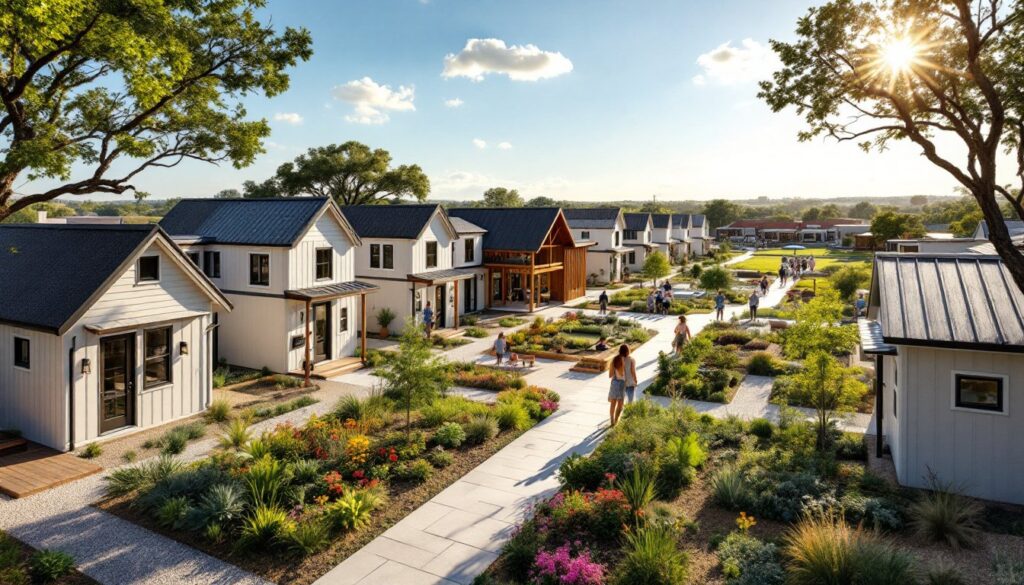
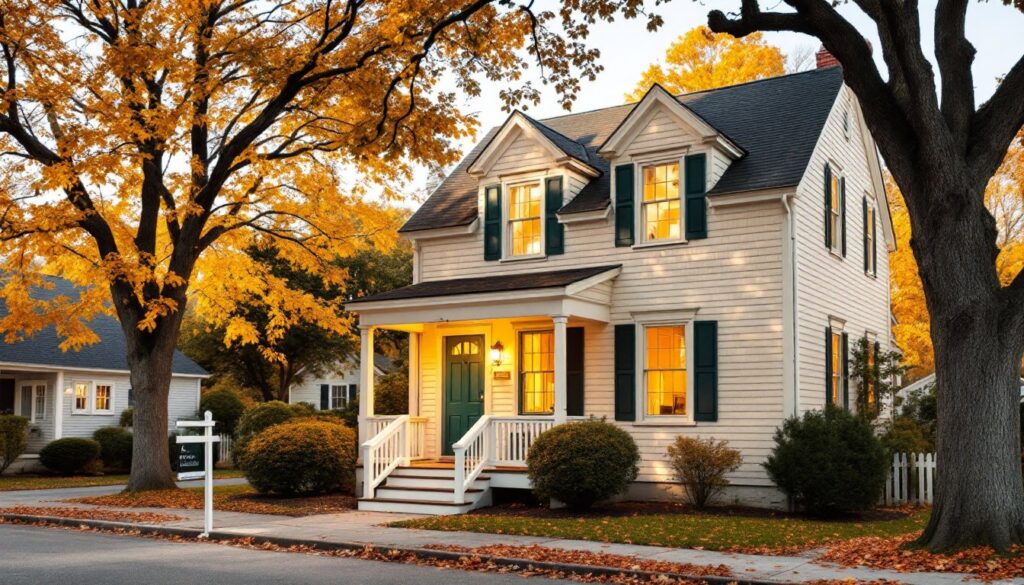

The Massachusetts housing market has shifted dramatically. Across the state, more buyers are looking at smaller homes as a smart financial and lifestyle choice. Whether you’re a first-time buyer, downsizer, or someone seeking a manageable footprint in a high-cost region, small homes offer genuine value, and Massachusetts has plenty of them available. This guide walks you through what’s on the market right now, where to find the best options, what features matter most, and how to make your small space work harder for you.
Table of Contents
ToggleKey Takeaways
- Small homes for sale Massachusetts are moving faster than larger properties, with tighter inventory and stabilized pricing creating genuine opportunities for buyers ready to act decisively.
- Homes under 1,500 square feet in Massachusetts provide significant financial advantages: lower mortgages, reduced heating and cooling costs, and minimal property tax burdens compared to larger properties.
- Smart buyers should prioritize ceiling height (9+ feet), natural light, dedicated storage, and separate home office space to maximize livability in compact footprints.
- Central Massachusetts offers the most affordable small homes ($250,000–$350,000), while Boston suburbs and North Shore regions command higher prices but provide walkability and character.
- Essential features like updated HVAC, sound roofing (10+ years), and functional outdoor space dramatically improve both daily living and resale appeal in small Massachusetts homes.
- Light paint, vertical storage, and strategic kitchen/bathroom upgrades deliver the highest return on renovation investment without requiring structural changes to small spaces.
Why Small Homes Are Gaining Popularity in Massachusetts
Small homes, typically under 1,500 square feet, have moved from being a compromise to becoming a genuine choice. In Massachusetts, where median home prices exceed $500,000 in many markets, downsizing the footprint lets buyers access property ownership without the mortgage shock. Beyond finances, small homes demand less heating and cooling energy, require less upkeep, and create lower property tax burdens in a state known for steep taxes.
They also appeal to a shifting demographic: empty nesters who don’t need four bedrooms, young professionals who spend more time working than entertaining, and remote workers who value location over square footage. A 1,200-square-foot home in a walkable Boston neighborhood beats a sprawling house in a distant suburb for someone who works from home three days a week.
A growing awareness of climate impact plays a role too. Smaller homes simply consume fewer resources over their lifetime, less material to build, less energy to run. For Massachusetts buyers who care about environmental footprint alongside affordability, that alignment is compelling.
The Massachusetts Small Home Market Today
Right now, small homes in Massachusetts are moving faster than larger properties. Inventory remains tight, but pricing has stabilized compared to 2022 peaks, creating opportunities for smart buyers willing to act decisively.
The state’s small-home supply ranges from charming Victorian cottages in rural towns to renovated mill condos in urban centers. Cape Cod-style homes under 1,400 square feet dot the North Shore and South Shore. In Worcester and Springfield, older colonial revivals and bungalows offer better value than their Boston-area cousins. Even suburban markets like Framingham and Newton have pockets of older, smaller homes that come on the market regularly.
Interest rates and lending standards remain favorable compared to late 2023, but buyers should still get pre-approved before looking seriously. The market rewards decisiveness, homes priced right sell within days in competitive towns.
Key Regions for Affordable Small Homes
Central Massachusetts (Worcester, Fitchburg, Leominster) offers the lowest entry points, homes under 1,200 square feet often list between $250,000 and $350,000. You sacrifice some walkability but gain space and affordability.
The North Shore (Salem, Marblehead, Newburyport) features older waterfront cottages and small estates in historic districts. Prices run higher but appeal to those prioritizing charm and seaside access. South Coast towns (Fall River, New Bedford, Taunton) sit between central and coastal pricing, often overlooked, often undervalued.
Greater Boston suburbs like Somerville, Cambridge, and Arlington have seen gentrification make small homes pricier, but Boston’s secondary rings (Quincy, Weymouth, Malden) still yield small homes under $400,000. A curated guide to can help you explore regional options systematically.
Essential Features to Look for in a Small Massachusetts Home
Not all small homes are created equal. In a compact footprint, certain features make or break livability.
Ceiling height matters more in a small home than a large one. Eight-foot ceilings feel cramped: 9-foot or cathedral ceilings transform perception. If you’re eyeing a colonial built in 1920, measure ceilings before you get attached.
Natural light is non-negotiable. More windows, especially on different walls, prevent a small home from feeling like a cave. North-facing homes in New England can feel darker: south and west exposures are gold in our climate.
Storage separates comfortable from claustrophobic. Closets, pantries, and dedicated shelving (not just relying on furniture) make small spaces actually livable. Check basement headroom and usability, an unfinished basement with 7-foot clearance can absorb seasonal overflow.
Separate rooms matter if you work from home. Open-concept is trendy, but a small bedroom or den that can become a proper office is worth its weight. Sound travels in small homes: closed doors are your friend.
Outdoor space extends your living area. A deck, small yard, or balcony adds function and resale appeal. In Massachusetts’ climate, a three-season porch or sunroom is a legitimate finishing touch to a small home.
Systems age deserves scrutiny. A well-maintained roof (10+ years remaining), updated HVAC, and sound plumbing aren’t luxuries in a small home, they’re essentials. There’s less room to absorb deferred maintenance. A collection of design showcases homes with thoughtful layouts that balance these features.
Financing and Cost Considerations
Financing a smaller home can actually work in your favor. Your loan amount is smaller, meaning less total interest and faster equity buildup. A $300,000 mortgage at 6.5% costs dramatically less than a $500,000 mortgage at the same rate.
Massachusetts property taxes remain high regardless of home size, they’re based on assessed value and town rate, not square footage. A small home in a low-tax town (a shrinking category) can be a smart play. Research town tax rates before committing to a region.
Insurance typically costs less on smaller homes, though age and construction matter more than size. Get multiple quotes: an older home with wood siding pays more than a newer vinyl-sided ranch of identical square footage.
Closing costs run about 2–5% of purchase price and don’t scale down proportionally for smaller homes. That means percentage-wise, smaller purchases have slightly higher closing costs per dollar. Still, the absolute amount is lower, easing your out-of-pocket burden.
Estimate reserves for immediate needs. Older small homes often need roof, siding, or furnace attention within the first few years. A $20,000 reserve (separate from down payment and closing costs) is reasonable for a home built before 1980. Budget for property inspections, appraisals, and title work, roughly $1,500–$2,500 upfront.
Smart Renovation Tips for Maximizing Small Spaces
Once you own your small home, renovation strategy defines whether it feels cramped or clever. The key is intentional upgrading, not sprawl.
Paint and light are the cheapest leverage. Light, neutral walls (soft whites, pale grays) expand perceived space. Mirror placement opposite windows bounces light around. New light fixtures, especially recessed lighting in low-ceiling spaces, transform function without structural work.
Kitchen and bath upgrades yield the highest return in a small home. These rooms anchor daily life. Replacing cabinet hardware, refinishing cabinets (instead of replacing them), and upgrading lighting preserves space while modernizing function. A single-bowl sink in a small kitchen frees counter real estate compared to a dual-bowl model.
Vertical storage beats horizontal sprawl. Floating shelves, tall cabinets that reach 8 feet, and wall-mounted organizers keep floors and tabletops clear. Your brain reads clear surfaces as spacious, even in 800 square feet.
Outdoor extension matters. Decking out a small porch or patio with a bistro table and planters adds functional living area without touching square footage. In Massachusetts, a three-season addition (screened porch or sunroom) is a legitimate expansion that codes allow and buyers value.
Avoid walls unless you really need them. Removing a non-load-bearing wall between kitchen and living room (verify it’s not load-bearing with a structural engineer first, costs $300–$500 for a consultation) opens sightlines. If removal isn’t possible, pass-through openings or partial-height pass-throughs achieve similar effect.
Small space living ideas, showcase realistic transformations in tight footprints, worth mining for inspiration before you swing a hammer. Focus your effort: a renovated kitchen in a small home returns more than a finished basement no one uses.
Conclusion
Small homes in Massachusetts represent genuine opportunity right now. The market is active, financing is accessible, and the inventory spans regions from affordable inland towns to charming coastal areas. Success comes from knowing what you’re buying, understanding your region’s pricing and tax landscape, and being ready to move decisively when the right property appears. With thoughtful renovation strategy and realistic expectations about trade-offs, a small home becomes not a compromise but a smart, sustainable choice that lets you build equity, reduce overhead, and focus on what matters, not square footage.