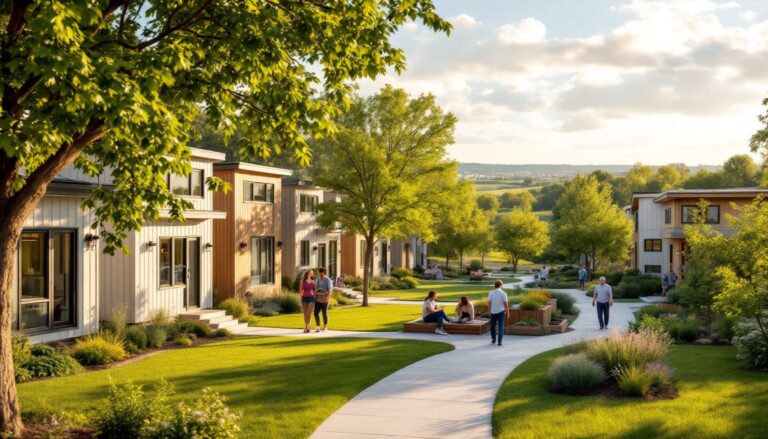

Utah’s combination of affordable land, a robust construction community, and a growing lifestyle movement has made it one of the nation’s fastest-growing tiny home markets. Whether you’re drawn to the efficiency, affordability, or lifestyle appeal of tiny living, finding the right builder matters. A quality tiny home builder in Utah will navigate local zoning nuances, understand your design goals, and deliver a finished home that meets code while maximizing every square foot. This guide walks you through what to expect, who to trust, and how to budget for a tiny home project in Utah’s unique market.
Table of Contents
ToggleKey Takeaways
- Utah has become one of the nation’s fastest-growing tiny home markets due to affordable land, a robust construction community, and a cultural shift toward intentional living.
- Choosing a tiny home builder in Utah requires verifying experience with at least five completed projects, checking licensing through the Utah Division of Professional Licensing, and confirming local expertise in your specific county or municipality.
- A well-built 400-square-foot tiny home in Utah typically costs $80,000–$160,000 all-in, with site prep and specialized systems representing significant portions of the budget that are often underestimated.
- Utah’s zoning and building codes vary significantly by county and city, so verify your lot and design are legally compliant with the local planning department before purchasing land to avoid costly mistakes.
- Tiny homes must meet specific code requirements including 7-foot ceiling heights, proper egress windows, and minimum bedroom dimensions—understanding these standards early prevents design conflicts and rework.
Why Utah Is Becoming a Tiny Home Hub
Utah’s appeal to tiny home builders and residents stems from several converging factors. Land is still relatively affordable compared to coastal states, especially in rural areas and emerging small towns. The state has seen a cultural shift toward intentional living and cost consciousness, particularly among young professionals and retirees looking to downsize without sacrificing quality.
Another draw is Utah’s construction-friendly climate. Mild winters in many regions and a dry climate simplify building and finishing work compared to areas with freeze-thaw cycles. The state also hosts a growing network of modular and prefab manufacturers who specialize in compact, efficient designs, making it an attractive hub for both on-site and factory-built tiny homes.
Also, Utah’s building culture values craftsmanship and efficiency, traits that align perfectly with tiny home construction. Many local builders and tradespeople have embraced the discipline required to build small without sacrificing durability or livability. Communities like Moab, Park City, and areas around Salt Lake City have become particularly known for quality tiny home development.
What to Look for in a Utah Tiny Home Builder
Choosing the right builder is the single most important decision in your tiny home journey. Unlike large-scale residential construction, tiny homes demand precision, creative problem-solving, and an understanding of how to live comfortably in compact space. A weak builder choice can result in wasted square footage, poor storage, or costly rework.
Experience and Portfolio
Ask potential builders to show you completed tiny homes, ideally ones you can tour in person. Look for consistency: clean joinery, thoughtful storage solutions, attention to detail in finishes, and evidence that they’ve built more than one or two projects. A builder with five-plus tiny home completions will have learned valuable lessons about layout, material choices, and managing the unique challenges that come with compact construction.
Request references from past clients and ask specific questions. Did the project stay on budget and schedule? Were there design changes, and how were they handled? Did the builder anticipate problems (like water intrusion in tight corners or ventilation challenges) or react to them after the fact? A portfolio tells the visual story: references tell the working relationship story.
Licensing, Insurance, and Local Expertise
Verify that your builder holds a current general contractor license in Utah. Check the Utah Division of Professional Licensing website to confirm their standing and any complaint history. Ask for proof of workers’ compensation insurance and general liability coverage, both are non-negotiable for protecting you if something goes wrong on site.
Local expertise matters more in tiny homes than in conventional construction. Tiny home zoning and permit requirements vary significantly across Utah counties and municipalities. A builder who’s built in your specific area understands the local inspector’s expectations, knows which design elements are likely to face scrutiny, and can anticipate approval timelines. Someone who’s only worked in Salt Lake City might stumble on a rural lot with different codes.
Top Tiny Home Builder Options in Utah
Utah has several established tiny home builders earning solid reputations. Some specialize in custom builds tailored to your land and needs, while others offer semi-custom or spec models that accelerate timelines.
In-State Custom Builders typically charge a design fee upfront and work with you from concept through completion. They’re ideal if you have a specific vision or a challenging site. Expect to spend $1,500–$3,000 on design consultation before committing to construction.
Modular and Prefab Producers based in or near Utah (such as manufacturers in the Wasatch Front) can deliver a completed or partially completed tiny home faster than site-built options. Quality varies, so examine build quality, material specifications, and the warranty carefully. Modern prefab homes often incorporate sustainable materials and efficient systems, making them competitive with custom builds on both cost and performance.
Hybrid Approaches combine factory assembly of core elements (walls, roof, MEP rough-in) with site-specific finishing work. This strategy balances quality control with local customization. Many Utah builders now use hybrid methods to deliver faster timelines without sacrificing craftsmanship.
Research builders through the Utah State Construction Trades Council, local chamber of commerce listings, and online reviews. Ask each builder if they use subcontractors or employ crews directly, both models work, but it affects communication and consistency.
Budgeting Your Tiny Home Project in Utah
Tiny homes aren’t always cheaper than conventional homes on a per-square-foot basis, but they cost dramatically less in total dollars. A 400-square-foot tiny home built well typically runs $80,000–$160,000 all-in (land, construction, and finishes), depending on location, site conditions, and finish quality.
Break your budget into distinct categories: land acquisition, site prep (foundation, utilities, grading), construction labor, materials, systems (electrical, plumbing, HVAC, solar if applicable), and contingency.
Site prep is easily underestimated. If your land lacks utilities, connecting water, sewer, and electrical can run $10,000–$30,000 or more. A sloping or rocky site adds foundation and excavation costs. Budget 15–20% contingency, tiny homes, like all building projects, reveal surprises once you break ground.
Material costs matter. Compact kitchens and bathrooms are pricey per square foot because everything is specialized. High-quality windows, insulation, and HVAC efficiency systems are worth the investment in a tiny footprint: poor choices amplify problems in small spaces. A professional home improvement cost estimator can help you model options and adjust scope to fit your budget.
Financing tiny homes can be tricky. Traditional mortgages may not apply if your home is on wheels or below minimum square-footage thresholds some lenders impose. Ask your builder about completed-project financing, personal loans, or specialized tiny home lenders. Utah Credit Union and several regional banks now offer flexible programs for tiny home buyers.
Navigating Utah Zoning and Building Codes for Tiny Homes
This is where many tiny home projects stumble. Utah’s building code (based on the International Residential Code) applies, but zoning rules are set by individual counties and cities. A 400-square-foot home legal in Salt Lake County might be prohibited in a neighboring rural county.
Zoning Issues: Most residential zones have minimum lot sizes and minimum home sizes. A typical conventional residential zone might require a 6,000–10,000 square-foot lot and a 1,500–2,000 square-foot minimum home. Tiny homes often don’t fit these rules. Some Utah municipalities have adopted “accessory dwelling unit” (ADU) overlays that allow smaller homes on single-family lots, but not all have. Others require cluster zoning or special permits for tiny home developments.
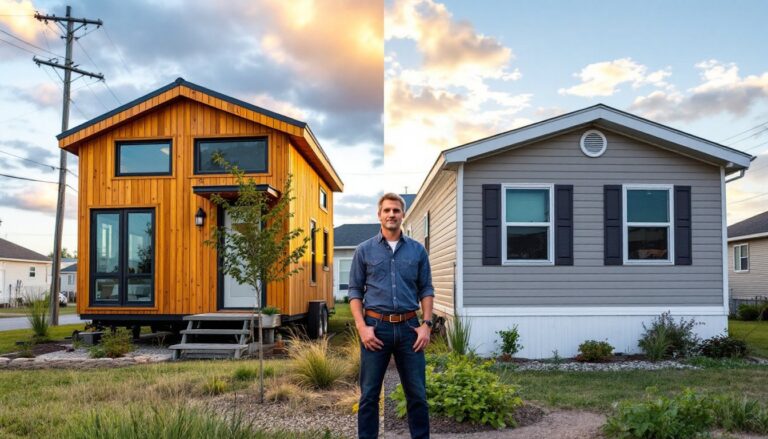
Mobile vs. Permanent: If your tiny home sits on a permanent foundation with utilities connected to municipal systems, it’s treated as standard residential construction and must meet full code. If it’s on a trailer (a mobile tiny home), state manufactured housing regulations apply instead, different inspectors, different rules, and often more restrictions on placement.
Before you buy land, verify zoning with the local planning department or hire a local permit consultant. A $500 consultation can save you $50,000 in missteps. Your builder should know local code, but you’re responsible for confirming your lot and design are legal.
Common Code Challenges: Tiny homes must meet ceiling height minimums (typically 7 feet in living areas), egress requirements (windows or doors sized to allow escape), and minimum bedroom dimensions (usually 70 square feet). Efficient storage and creative layouts sometimes conflict with code: a good builder knows how to maximize space legally.
Utah doesn’t currently have a statewide tiny home adoption policy like some progressive states, so rules are fragmented. Salt Lake City and some Park City-area municipalities are tiny-home friendly: rural counties vary widely. This isn’t a dealbreaker, it just means upfront permitting assignments is essential.