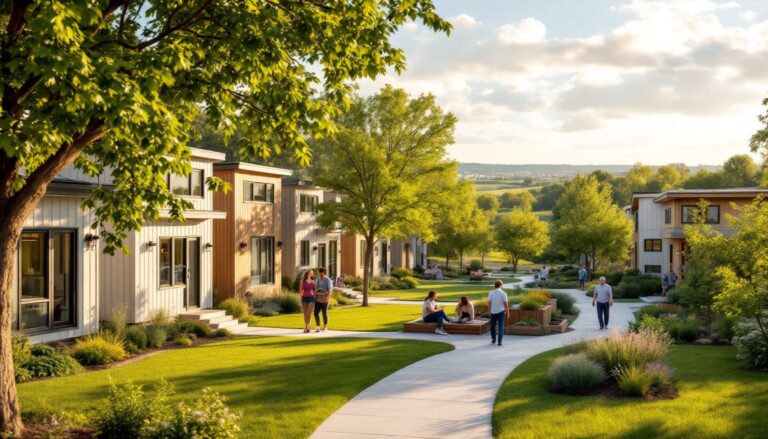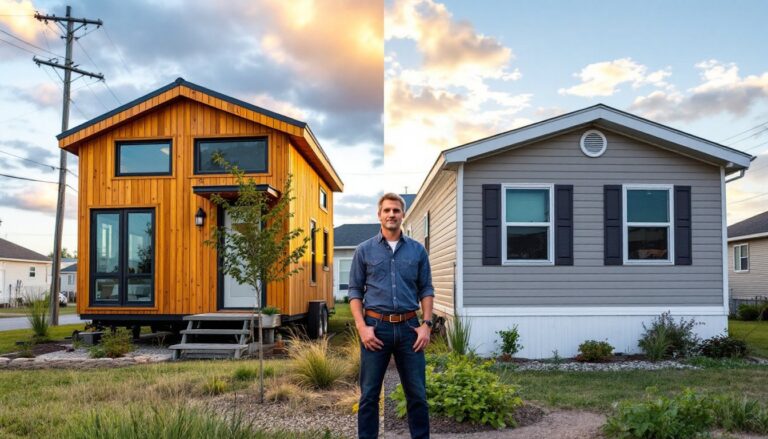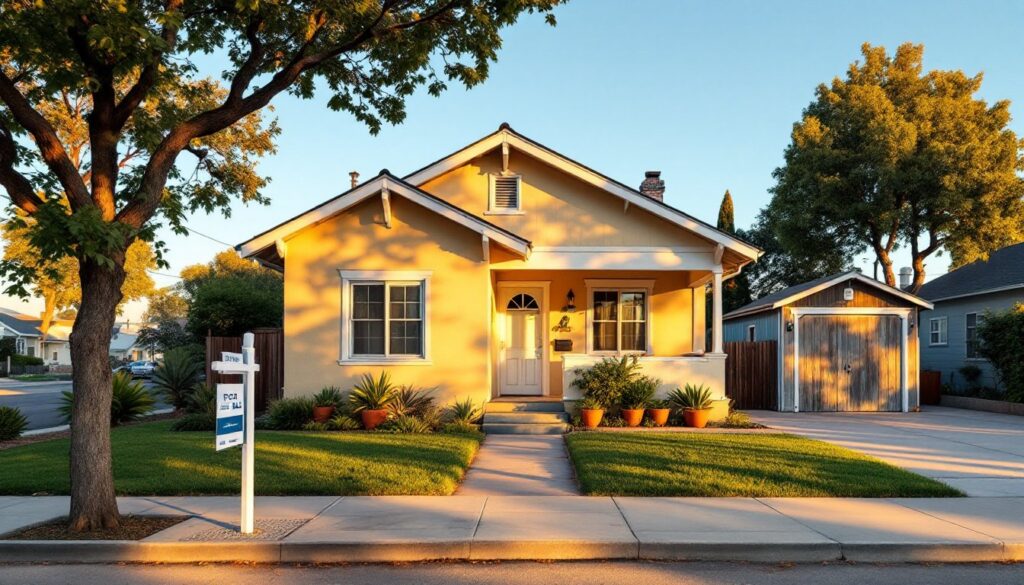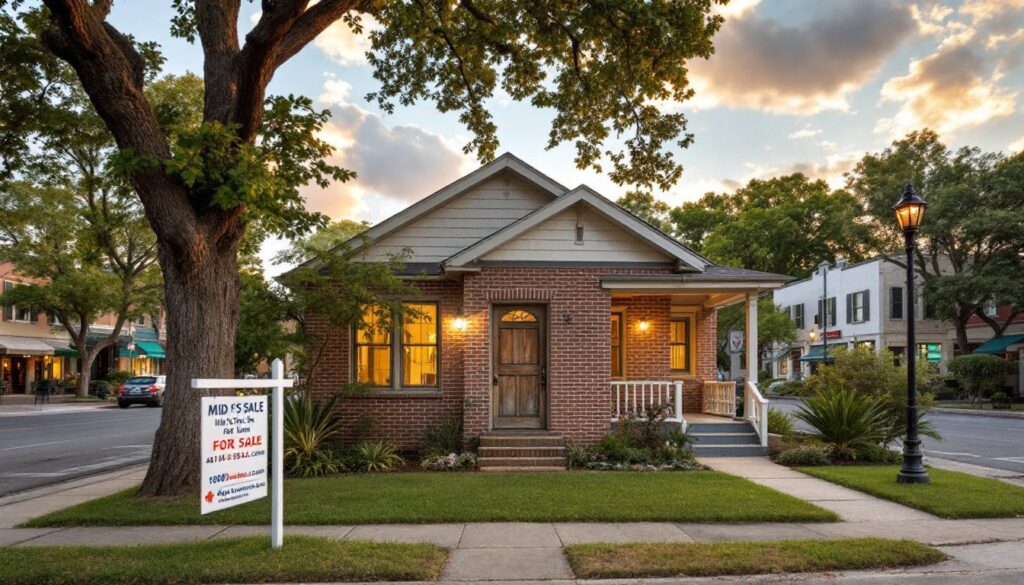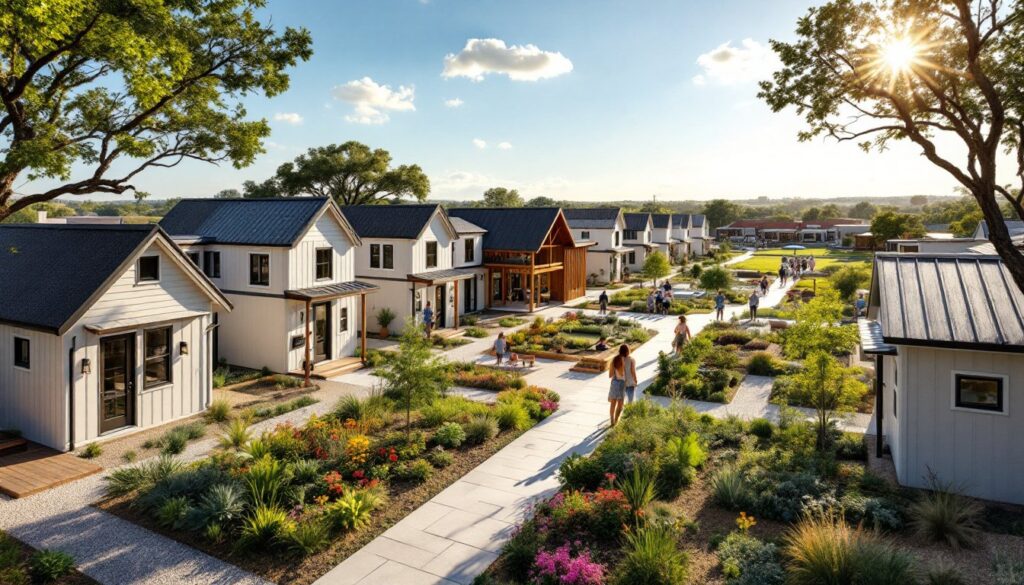
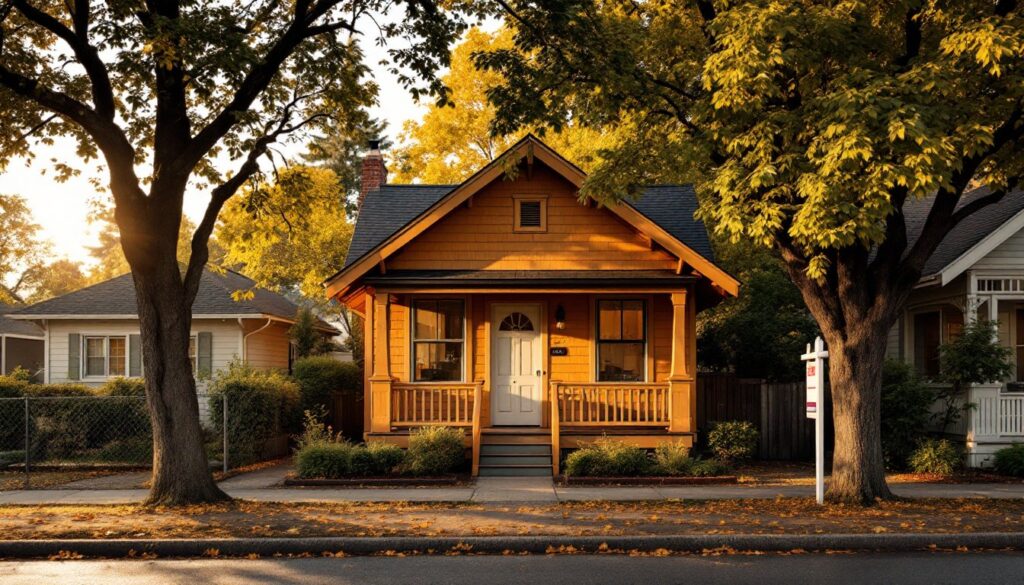

The Eugene, Oregon housing market is shifting. More buyers are eyeing smaller homes, not because they have to, but because they want to. Condos, cottages, and compact single-family homes offer a real path to homeownership without stretching finances thin or spending weekends on endless maintenance. If you’re hunting for small homes for sale in Eugene, Oregon, you’re tapping into a market segment that’s become increasingly practical and desirable. This guide walks you through the neighborhoods, pricing realities, and smart moves that’ll help you find the right fit.
Table of Contents
ToggleKey Takeaways
- Small homes for sale in Eugene, Oregon typically range from $275,000 to $425,000, with central neighborhoods commanding a 15–25% premium while South and East Eugene offer more affordable options.
- Walkable neighborhoods like Downtown Eugene, Whiteaker, and the Pearl District attract buyers seeking location and lifestyle, though premium prices are offset by lower utility and commute costs.
- The Oregon Bond program provides down-payment assistance at below-market rates for first-time buyers with household incomes up to $85,000, making homeownership more accessible on modest incomes.
- Thorough home inspections ($350–$500) are essential for older cottages, which may have outdated electrical systems, plumbing issues, or radon concerns common in Oregon.
- Layout efficiency and natural light are more critical in small homes than square footage; prioritize properties with open-concept living, adequate closets, and good flow before purchase.
- High-ROI cosmetic upgrades like fresh paint, refinished hardwood floors, and modern lighting offer better returns than major renovations on small homes under $350,000.
Why Small Homes Are Gaining Popularity in Eugene
Smaller homes align with genuine lifestyle shifts. In Eugene, rising property costs have made 1,200 sq ft or less the new sweet spot for first-time buyers, downsizers, and remote workers who no longer need sprawling layouts.
The math is simple: less square footage means lower purchase prices, smaller mortgages, and significantly reduced heating and cooling costs, important in Oregon’s cool, damp climate. Maintenance is quicker and cheaper too. That leaky roof? Fewer shingles to replace. Exterior paint? You’re done in a weekend instead of a month.
Eugene’s walkable neighborhoods and proximity to the University of Oregon create demand from young professionals and academics who value location over acreage. Recent home design trends emphasize efficient, well-designed small spaces rather than McMansion sprawl, making compact homes more appealing both functionally and philosophically.
Top Neighborhoods for Small Home Buyers in Eugene
Central Eugene and Downtown Districts
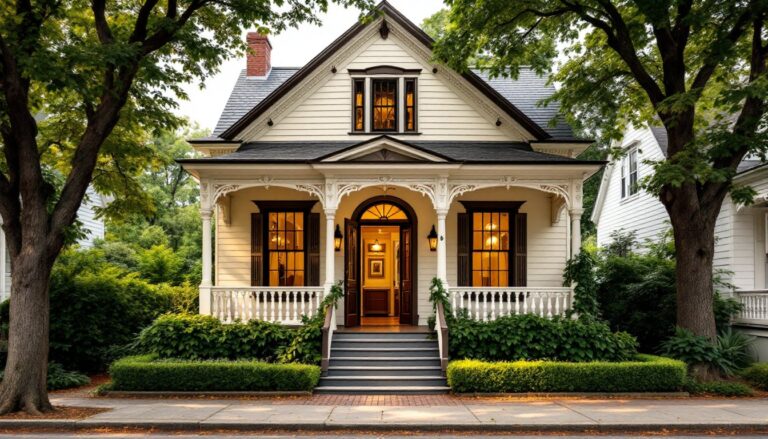
Downtown Eugene and nearby central neighborhoods, Whiteaker, Friendly, and the Pearl District, attract buyers who want walkable living. These areas have mature trees, bike infrastructure, and quick access to shops and restaurants. Older craftsman cottages and smaller post-war homes dominate the listings. Expect 800–1,200 sq ft homes on modest lots. Walkability comes at a premium, but utilities and commute costs offset higher purchase prices for many buyers.
The University of Oregon’s proximity drives rental potential if you’re considering investment. Properties near campus appreciate steadily, though noise and student traffic are real considerations.
Emerging Affordable Areas for First-Time Buyers
South Eugene neighborhoods like Trainsong and the areas around Springfield offer smaller homes at lower price points. Development around the Springfield-Eugene border has brought newer construction cottage-style homes, typically 1,000–1,400 sq ft, with modern efficiency and updated systems. Schools are solid, and your money stretches further.
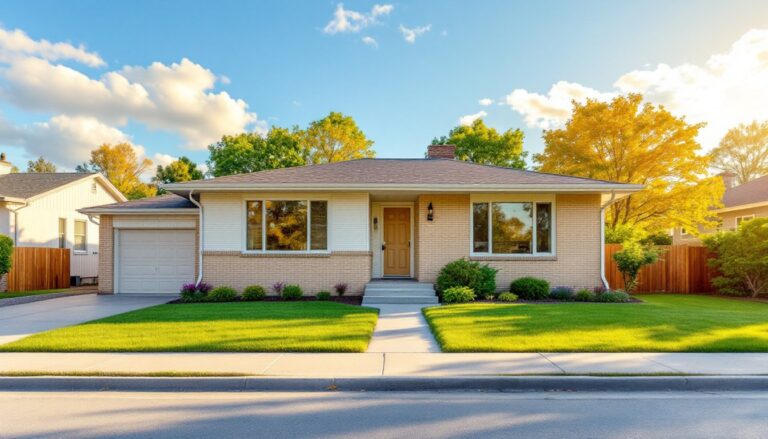
East Eugene, historically overlooked, has stabilized and now draws interest from remote workers and downsizers. Homes here tend toward 1970s–1990s construction and sit on slightly larger lots. You trade walkability for space and affordability.
What to Expect: Pricing and Market Trends
As of early 2026, small homes in Eugene generally range from $275,000 to $425,000, depending on location, condition, and lot size. Central neighborhoods command a 15–25% premium over South Eugene or East Eugene.
Market dynamics favor buyers right now. Inventory is steady, and competitive bidding, common in 2022–2023, has eased. That doesn’t mean prices have dropped, but you have breathing room to inspect, negotiate, and make thoughtful offers.
Condominiums and townhomes often price lower than single-family homes but carry HOA fees of $150–$300 monthly. Budget carefully: those fees add up fast. Single-family cottages avoid HOA costs but may need more maintenance.
Oregon’s property tax rate is moderate (roughly 0.85–1.1% of assessed value statewide, varying by county), and Eugene-Springfield Area voters have shown interest in land use efficiency, which supports smaller-home development.
How to Maximize Your Small Space Purchase
Before you buy, visit the property at different times, morning, evening, weekdays. Check parking reality, noise from neighbors, and street lighting. Walk around with a 50-foot tape measure mentally in your head: small homes feel different in person than in photos.
Inspections are non-negotiable. Older cottages may have electrical systems from the 1960s (two-prong outlets, limited circuits), plumbing held together by luck, or hidden water damage. A thorough home inspection, $350–$500, catches dealbreakers before you close. In Oregon, radon is a concern in many areas: add a radon test.
Layout efficiency matters more in small homes. Open-concept living extends sightlines: a closed-off bedroom can feel like a dungeon. Check storage: are there closets, or just a tiny coat nook? A home’s perceived size hinges on flow and natural light.
For cosmetic improvements, focus on high-ROI upgrades: fresh paint, refinished hardwood floors, modern lighting fixtures, and updated hardware on kitchen cabinets. Avoid major renovations: the savings on a $300K home don’t justify a $50K kitchen remodel before sale.
Financing Options and First-Time Buyer Programs
Oregon offers genuine first-time buyer help. The Oregon Bond program provides down-payment assistance loans at below-market rates (often 1–2% below conventional rates) for household incomes up to about $85,000. Paired with FHA financing, this can mean down payments as low as 3%, critical when saving 20% feels impossible.
Small homes lower total mortgage amounts, making qualification easier on a modest income. A $300,000 home requires a smaller debt-to-income ratio than a $500,000 property, so your $55,000 salary carries more weight.
Local credit unions often offer DIY-friendly loan programs that flex for self-employed folks and gig workers, common in Eugene. Rates vary, but starting conversations early lets you understand your real buying power.
FHA loans work well for small homes under $350K. The mortgage insurance premium (MIP) adds cost, but on smaller balances, it’s manageable. Conventional loans become competitive once you can handle a 10–15% down payment.
Don’t rush financing. Compare at least three lenders. The difference between 6.5% and 7.0% on a $250,000 mortgage is roughly $100/month, worth shopping for.