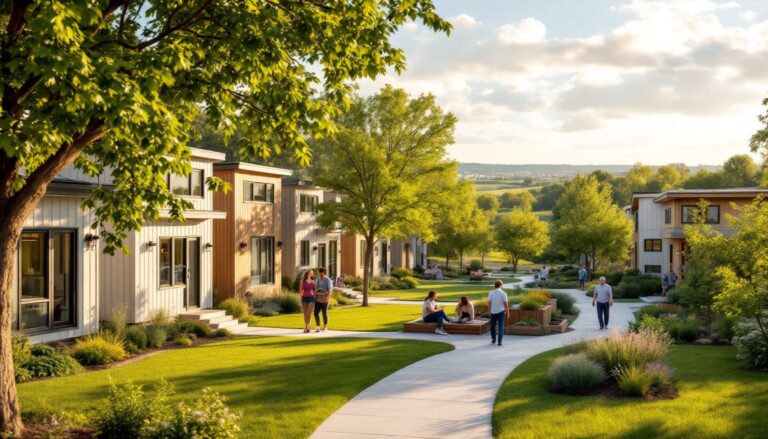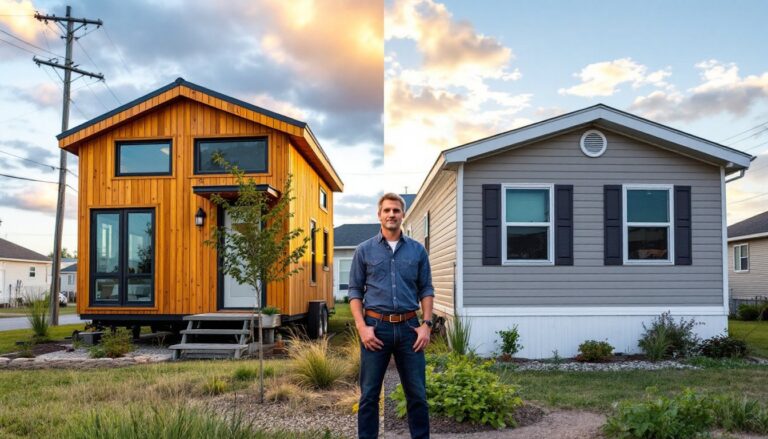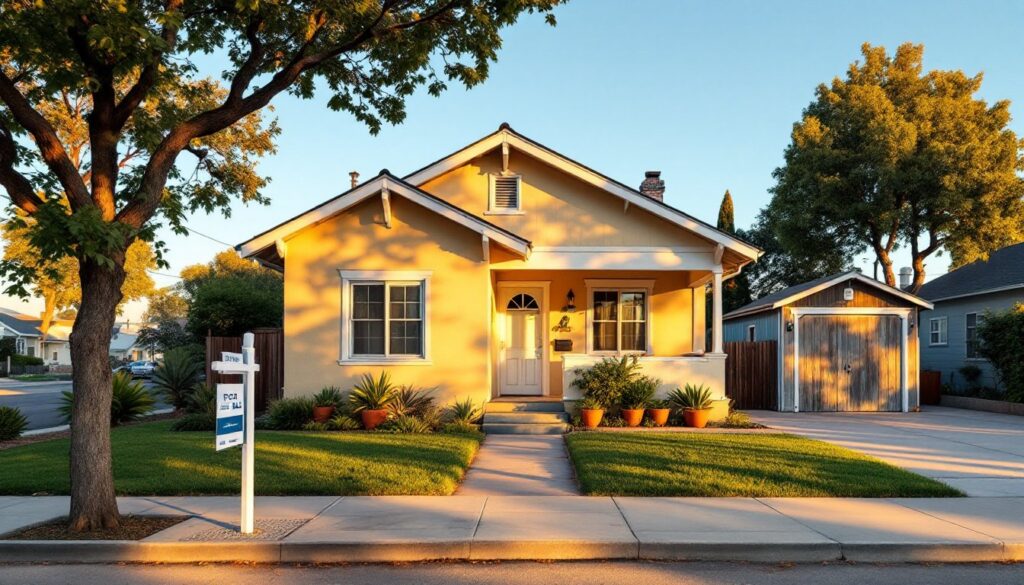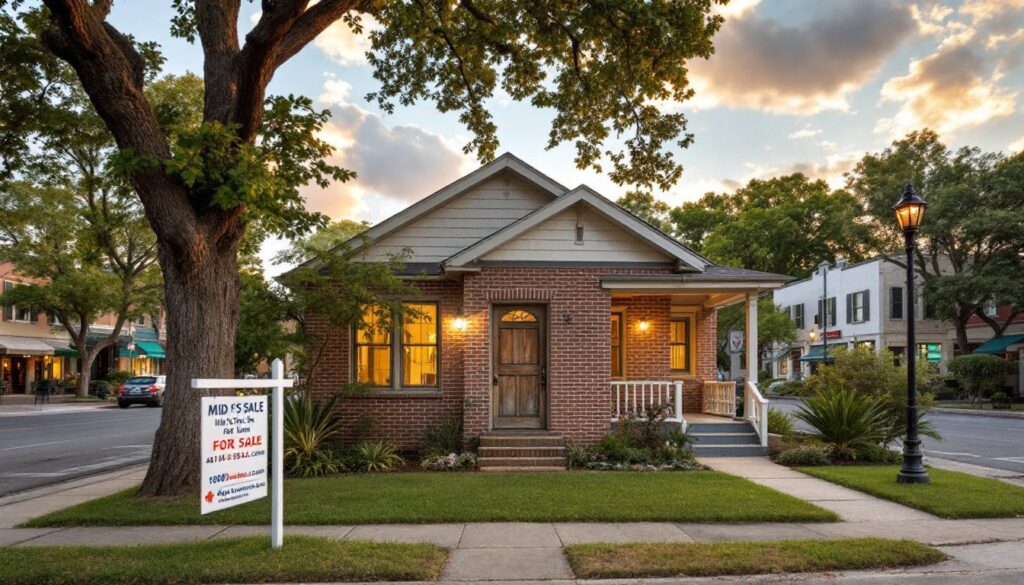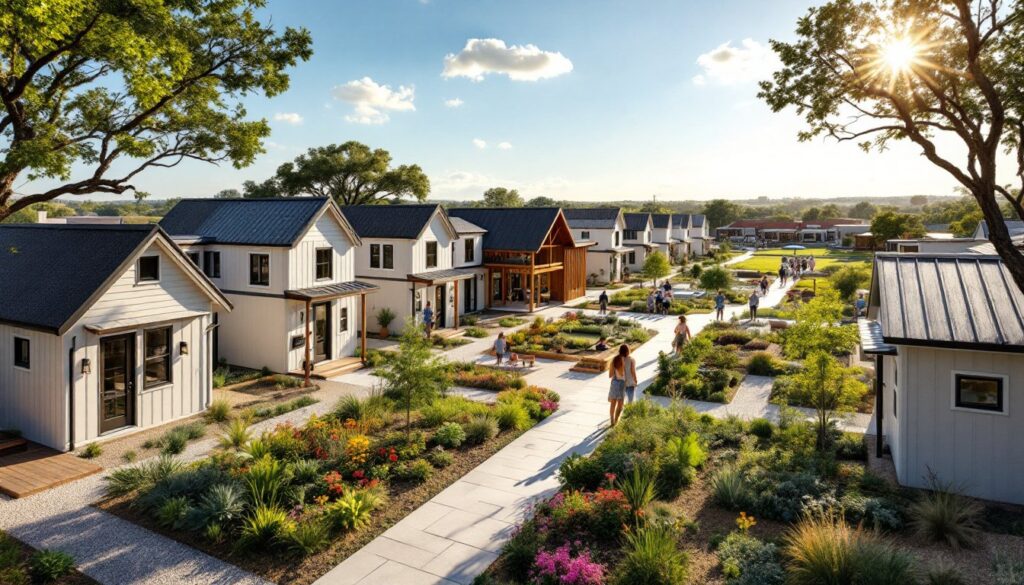
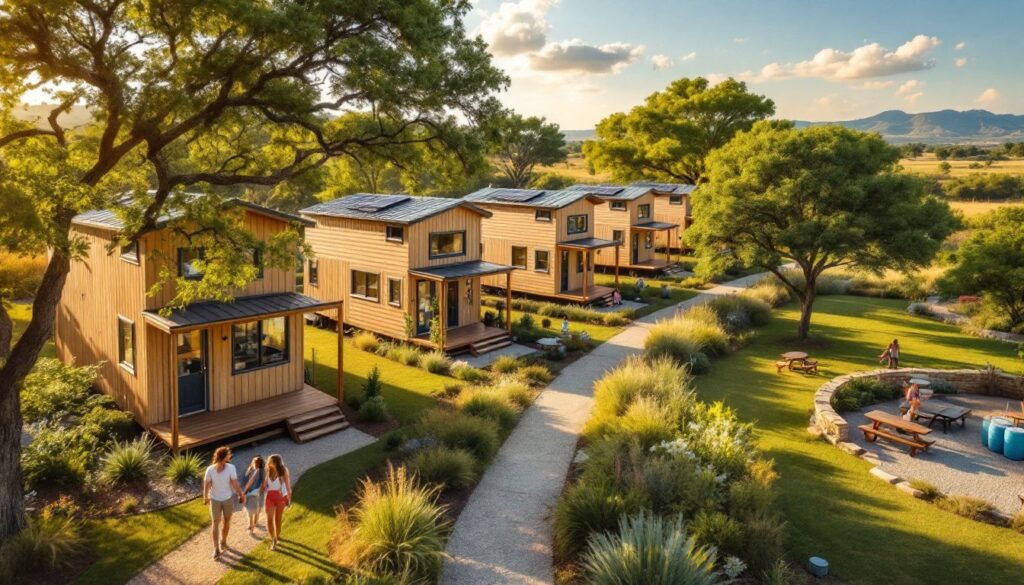

Texas is experiencing a quiet revolution in residential living. Tiny home communities, neighborhoods where residents downsize to homes typically under 1,000 square feet, are sprouting across the state, from Austin’s urban core to the sprawling suburbs of Dallas-Fort Worth. These communities aren’t just about living smaller: they’re about living intentionally. For homeowners tired of sprawling yards and oversized mortgages, or for DIY enthusiasts looking for an affordable entry point into homeownership, tiny home communities in Texas offer a practical alternative that aligns with both financial goals and lifestyle values.
Table of Contents
ToggleKey Takeaways
- Tiny home communities in Texas offer homes under 1,000 square feet with purchase prices typically ranging from $100,000 to $350,000, combining affordability with intentional living that reduces monthly housing costs by 30–50% compared to traditional homes.
- Texas leads the tiny home movement due to strong property rights, low land costs, booming metropolitan growth, and favorable business climate, making the state an ideal hub for sustainable, efficient housing solutions.
- Tiny home community living delivers genuine benefits including minimal maintenance, lower utilities in hot Texas summers, and stronger neighborhood connections, though it requires careful consideration of space constraints and resale market factors.
- Successful tiny home community selection requires visiting multiple properties, thoroughly reviewing HOA documents and financial health, evaluating builder reputation, and assessing long-term resale potential based on location, schools, and employment proximity.
- Financing tiny homes has become accessible through conventional lenders, FHA loans, VA loans, and developer partnerships, with smaller loan amounts typically resulting in faster approval and lower closing costs than traditional mortgages.
What Are Tiny Home Communities and Why Texas Is Leading the Movement
Tiny home communities are planned neighborhoods where individual homes are built on smaller lots, often ranging from 300 to 800 square feet of living space. Unlike manufactured housing parks, these communities typically feature single-family homes with deed restrictions, shared amenities (sometimes including green spaces, community centers, or playgrounds), and a more permanent sense of ownership.
Texas has become the epicenter of the tiny home movement for several reasons. The state’s strong property-rights culture, relatively low land costs compared to coastal states, and a booming population in major metros like Austin and Dallas create demand for affordable housing alternatives. Also, Texas’s favorable business climate has attracted developers and builders focused on sustainable, efficient living solutions. The tiny home lifestyle appeals to diverse demographics: young professionals, retirees downsizing from larger homes, and families seeking financial freedom without sacrificing comfort or quality construction.
Top Tiny Home Communities Across Texas
Austin and Central Texas Options
Austin’s housing market, once dominated by sprawl, now features several established tiny home communities. Bouldin Lofts in South Austin offers urban living with efficient floor plans and walkable neighborhoods. Cottonwood Valley in nearby Dripping Springs combines tiny homes with rural charm and acreage, appealing to buyers who want land without the maintenance burden of traditional rural properties. Many of these Austin-area communities emphasize environmental sustainability, think solar-ready designs, rainwater collection systems, and native landscaping that reduces irrigation needs. Prices for Austin-area tiny homes typically range from $180,000 to $350,000, though costs vary significantly by location and finishes.
San Antonio and the Hill Country also host growing tiny home developments. These communities often incorporate regional architectural styles, with features like covered porches and stone exteriors that reflect local traditions. Central Texas tiny homes frequently appeal to retirees and remote workers relocating from other states.
Dallas-Fort Worth and North Texas Communities
The DFW metroplex, with its sprawling geography and rapid growth, has embraced tiny home communities as a solution to housing demand. Heritage Oaks in Arlington offers compact, well-designed homes targeted at first-time buyers and young families. Lantern Village near Fort Worth provides a mix of homes under 1,000 square feet with modern finishes and smart home technology. North Texas communities often focus on affordability and convenience, many are positioned just outside major employment centers, allowing residents to avoid long commutes while keeping purchase prices lower than comparable single-family homes in central Dallas or Fort Worth.
Cost Considerations and Financing Your Tiny Home Investment
The financial appeal of tiny home communities is straightforward: lower purchase price, reduced property taxes, and minimal maintenance costs. But, costs vary widely depending on location, finishes, and community amenities. Entry-level tiny homes in smaller Texas cities might start around $100,000, while Austin or Dallas-area properties in established communities often range from $150,000 to $300,000. Regional and market fluctuations mean these figures shift, check with local developers for current pricing.
Financing tiny homes is generally easier than it used to be. Most conventional lenders now recognize tiny homes as legitimate real estate assets, so FHA loans, conventional mortgages, and VA loans are available options. Some developers offer in-house financing or partner with lenders familiar with tiny home projects. The smaller loan amount often means faster approval and lower closing costs.
Beyond the purchase, factor in HOA fees (typically $75–$200 monthly, depending on community amenities), property taxes, and utilities. Heating and cooling a tiny home costs significantly less than a traditional house, a major advantage in Texas’s hot summers. Many buyers find that their total monthly housing costs (mortgage, insurance, taxes, utilities, and HOA) are 30–50% lower than comparable conventional homes in the same area. This financial breathing room is often what attracts buyers to tiny home living.
Lifestyle Benefits and Drawbacks of Tiny Home Living
Living in a tiny home community offers genuine lifestyle shifts. The reduced square footage forces intentional decisions about possessions and consumption, there’s no room for impulse purchases or unnecessary clutter. Maintenance is minimal: smaller roofs, fewer HVAC zones, and less exterior surface mean less time and money spent on upkeep. Many residents report feeling a stronger sense of community, since shared green spaces and smaller neighborhoods naturally encourage neighborly interaction.
For remote workers and digital professionals, tiny homes provide a lean, efficient workspace. Home offices fit comfortably in lofted areas or dedicated nooks. Utilities run lower, internet speeds remain competitive, and the quiet, established nature of many communities supports focused work.
But, tiny home living isn’t for everyone. Limited square footage challenges families with multiple children or those who frequently entertain guests. Storage is tight, RV owners, woodworkers, and hobby enthusiasts may struggle with space constraints. Resale can also be more niche than traditional homes: while demand is growing, the buyer pool remains smaller. Some buyers also find that, over time, the psychological weight of confined space outweighs financial savings. Visiting a model home and spending time in the community before buying helps clarify whether this lifestyle is genuinely appealing or simply attractive in theory.
How to Choose the Right Tiny Home Community for Your Needs
Start by identifying your priorities: commute distance, price range, design preferences, and community culture. Visit multiple communities during different times of day and week. Morning visits reveal traffic patterns: evening visits show how residents actually use shared spaces.
Review the HOA governing documents thoroughly. HOA bylaws differ significantly, some communities have strict aesthetic standards (landscaping, exterior colors), while others are more relaxed. Understand what the HOA covers, how fees are set, and whether they include utilities, maintenance, or trash services. Check the community’s financial health by requesting reserve fund information and asking about any planned special assessments.
Evaluate the builder’s reputation. Look for reviews online, visit completed homes, and speak with existing residents. Ask about construction quality, warranty coverage, and responsiveness to post-purchase issues. Inspect model homes critically: walk through closets, test appliance spacing, and verify that ceiling heights work for your household.
Consider long-term resale. While tiny home demand is strong in Texas, future preferences can shift. Communities with strong neighborhood identity, good schools nearby (for future families), and proximity to employment centers tend to hold value better. Research recent sales data for the community, prices that remain stable or appreciate suggest healthy demand.
Finally, trust your instinct. If the community feels right, neighbors seem welcoming, and the home’s layout works for how you actually live, the numbers often fall into place. When in doubt, modern architecture and sustainable home design trends continue to show tiny homes remain relevant in the broader real estate landscape. Consulting regional home design resources can also offer perspective on how Texas tiny homes fit into broader housing and lifestyle trends. Also, staying informed on national housing movements helps contextualize whether tiny home living aligns with long-term market evolution.