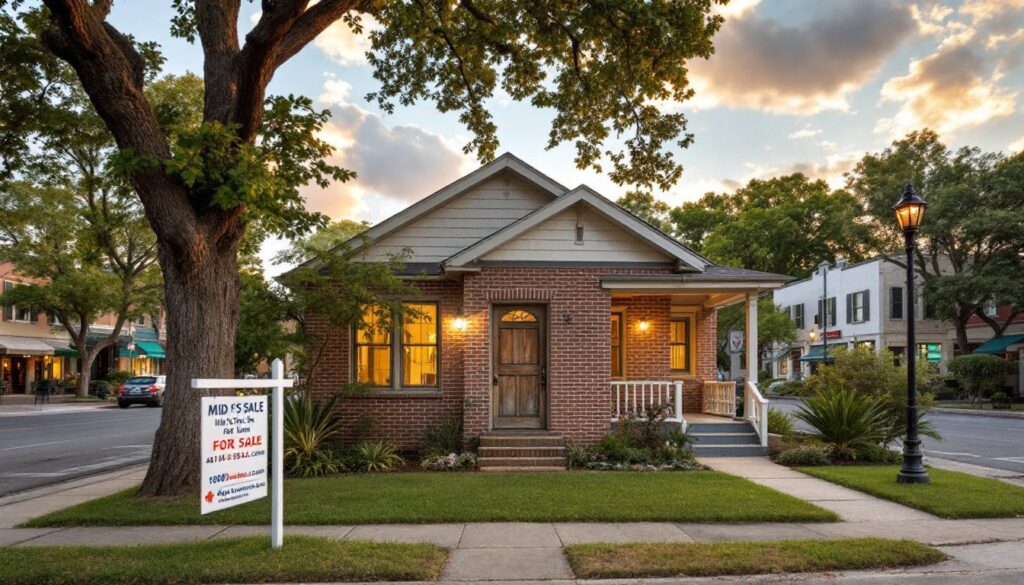
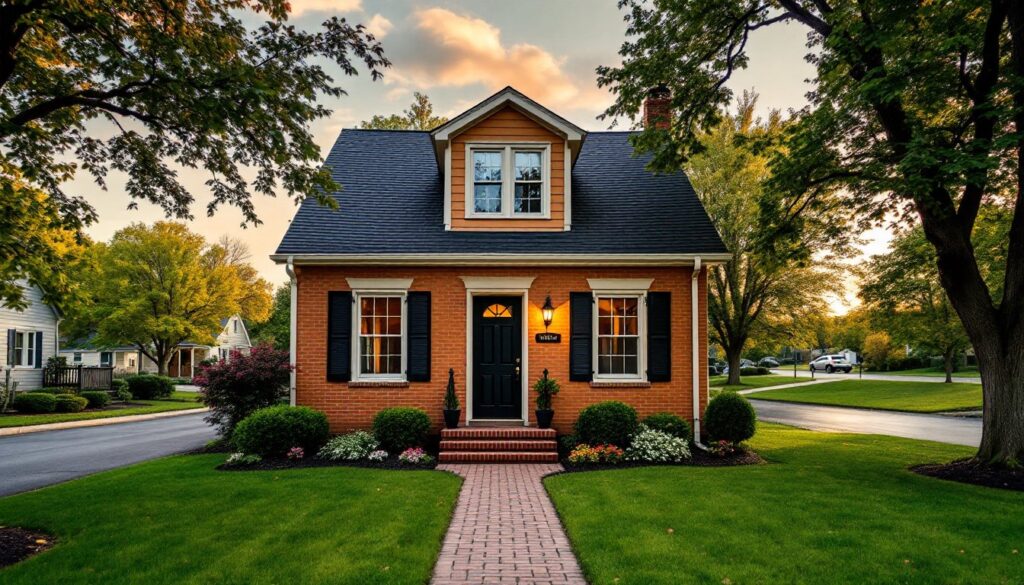

The market for small homes in Ohio is booming, and for good reason. More buyers are discovering that smaller doesn’t mean compromising on lifestyle, it means lower mortgage payments, reduced utility bills, and less time spent on maintenance. Whether you’re a first-time homebuyer, looking to downsize, or seeking an investment property, small homes for sale in Ohio offer practical solutions in a state with surprisingly affordable real estate. This guide walks you through everything you need to know about finding, financing, and inspecting small homes in Ohio’s vibrant neighborhoods.
Table of Contents
ToggleKey Takeaways
- Small homes for sale in Ohio are gaining popularity because they offer lower mortgage payments, reduced utility costs, and easier maintenance compared to larger properties.
- The median small home in Ohio costs between $140,000 and $200,000, making them accessible to first-time buyers and investors with standard financing options like FHA and conventional mortgages.
- Top neighborhoods for small home purchases include Columbus (German Village, Short North), Cincinnati (Over-the-Rhine), and Cleveland (Tremont), each offering character-filled properties in walkable communities.
- A professional home inspection is essential for small homes—focus on structural integrity, HVAC systems, lead paint testing for homes built before 1978, and radon levels in Ohio’s documented radon zones.
- Space-maximizing strategies such as built-in storage, open floor plans, multi-functional furniture, and strategic lighting can make small Ohio homes feel larger and more livable.
Why Small Homes Are Gaining Popularity in Ohio
Small homes, typically ranging from 800 to 1,200 square feet, have become increasingly attractive to Ohio buyers for several concrete reasons. First, the financial advantage is undeniable. A smaller footprint means lower purchase prices, reduced property taxes, and significantly lower heating and cooling costs, which matters in Ohio’s variable climate. Second, the state’s job market is growing in cities like Columbus and Cincinnati, drawing younger professionals who need affordable entry-level properties.
Current market data shows that small homes in Ohio appreciate at rates comparable to larger properties, making them solid investments. Maintenance is another key factor: fewer square feet means less roof area to replace, fewer windows to maintain, and lower overall upkeep costs. For retirees and empty nesters especially, the appeal is clear. You get a home that’s easier to manage without the burden of unused bedrooms or storage space you’ll never fill. Ohio’s reasonable cost of living compared to coastal states makes small homes here accessible to a broader buyer pool, driving steady demand.
Best Neighborhoods and Cities for Small Home Purchases
Ohio offers excellent small-home opportunities across its major metros and smaller towns. Columbus remains the strongest market, with neighborhoods like German Village and Old Town East showing healthy inventory of modest, character-filled homes. Short North, just north of downtown, has undergone significant revitalization and attracts buyers seeking walkable, urban living with smaller footprints.
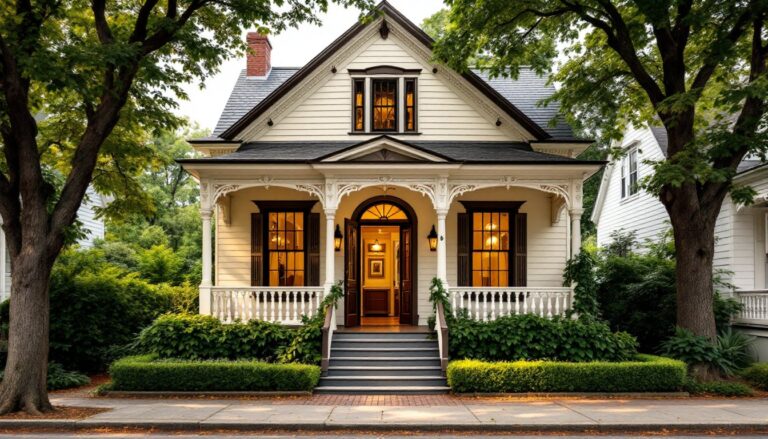
Cincinnati’s Over-the-Rhine neighborhood is experiencing a renaissance with carefully restored Victorian-era small homes and new construction cottages. Around the University of Cincinnati, you’ll find rental-friendly small homes appealing to both owner-occupants and investors. Cleveland’s Tremont neighborhood offers charming, affordable small homes with strong community appeal.
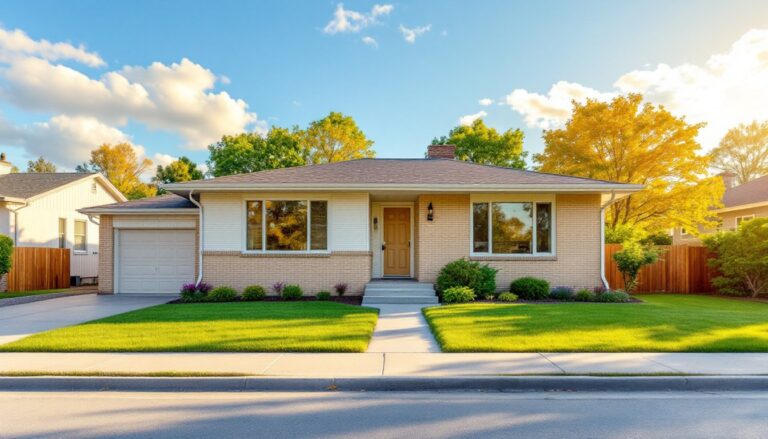
If you prefer suburban quieter settings, consider Bexley (Columbus), which has excellent schools and smaller ranch-style homes. Shaker Heights (Cleveland) offers period cottages and smaller craftsmanship-style homes. In the Cincinnati area, Indian Hill and Mariemont both have inventory of smaller, well-maintained properties.
Urban and Suburban Options
Urban small homes typically cost 10–20% more per square foot but offer walkability, lower transportation costs, and shorter commutes. You’ll find more 1920s-era craftsman homes and converted lofts in urban cores.
Suburban small homes often sit on larger lots, giving you potential for expansion or better outdoor space. Schools tend to rank higher in suburban districts, which appeals to young families. Suburban properties often cost 15–25% less overall than comparable urban homes, though you’ll spend more on transportation and utilities are typically higher due to larger lot maintenance.
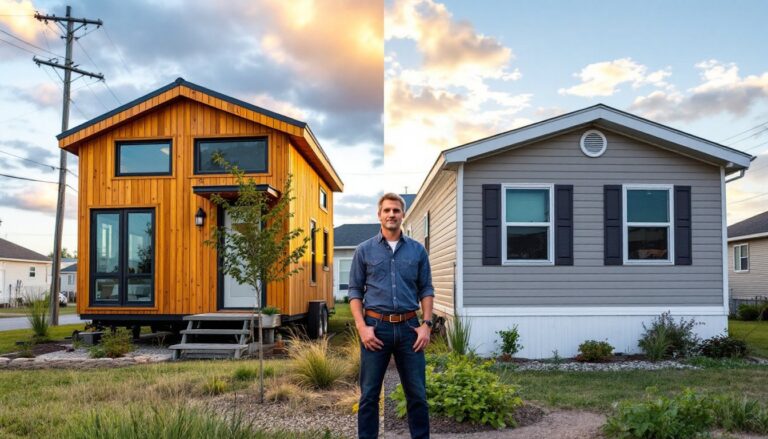
Tiny houses and modern small-home builders are also emerging across Ohio. Sites like Houzz’s directory of tiny house builders in Ohio showcase builders specializing in space-efficient, thoughtfully designed homes if you want new construction rather than resale properties.
Financing and Budget Considerations
Financing a small home in Ohio follows the same process as larger properties, but the numbers work heavily in your favor. The median small home in Ohio costs between $140,000 and $200,000, depending on location and condition. That translates to a manageable monthly mortgage payment, even on a modest income.
Downpayment requirements remain standard: 3–5% for FHA loans, 5–20% for conventional mortgages. Many lenders offer favorable terms for small homes because they represent lower default risk. Your debt-to-income ratio matters just as much, so get pre-approved before house hunting.
Budget for inspection costs ($300–$500), appraisals ($400–$600), and closing costs (2–5% of purchase price). If the home needs updates, new HVAC, plumbing work, or structural repairs, set aside 5–10% of the purchase price as a contingency fund. Small homes in less-desirable condition can be particularly attractive bargains if you’re willing to handle cosmetic updates yourself.
Also factor in HOA fees if you’re buying in a planned community or condo-style small home. Some Ohio neighborhoods require these, typically ranging from $100–$300 monthly. Property taxes in Ohio average around 0.56% of home value statewide, though rates vary by county. Run the numbers for your target neighborhood to avoid surprises.
What to Look for When Inspecting a Small Home
A professional home inspection is non-negotiable, regardless of size. Small homes can hide big problems, they just hide them in less space. Focus on structural integrity first: look for cracks in the foundation, water staining in the basement or crawlspace, and evidence of settling or movement. Small homes often have shared walls (duplexes or townhomes), so ask about soundproofing and any history of neighbor disputes.
Systems matter more in tight quarters. Request a separate HVAC inspection if the home uses a forced-air system: inadequate ductwork can make a small home uncomfortable. Check the age and condition of the water heater, electrical panel, and roof. Small roofs deteriorate just as quickly as large ones, so budget for replacement if the roof is over 20 years old.
Lead paint is a concern in older Ohio homes. Any home built before 1978 should be tested. In small homes where living spaces are compressed, lead hazards pose heightened exposure risk. Ask the seller for lead paint disclosures and consider a separate lead inspection.
Moisture management is critical in small homes because humidity concentrates quickly in tight spaces. Look for mold or mildew in bathrooms, basements, and crawlspaces. Test for radon if the inspection report suggests it: Ohio has documented radon zones, particularly in the southern and eastern regions. A radon mitigation system costs $800–$2,500 but is worth installing if levels exceed EPA guidelines.
Finally, verify that the home meets current zoning and building codes. This matters especially if the small home is an older conversion, guest house, or accessory dwelling unit. Some Ohio jurisdictions have restrictions on tiny homes or ADUs, so confirm the property’s legal status before buying.
Smart Space-Saving Ideas for Small Ohio Homes
Once you own your small Ohio home, maximizing space becomes essential. Smart storage is the foundation: built-in shelving, under-stairs storage, and wall-mounted organizers create function without eating floor area. Consider vertical storage throughout the home, tall bookcases, pegboards, and wall-mounted racks make small spaces feel less cramped.
Open floor plans work wonders if the home’s layout allows it. Removing a non-load-bearing wall between the kitchen and living area (with proper support installed) can make a cramped 900-square-foot home feel much larger. This requires a structural engineer’s sign-off and likely a permit, but the transformation is worthwhile.
Multi-functional furniture is your friend: a coffee table with hidden storage, a bed with drawers beneath, or a murphy desk that folds into the wall all add usable space. Real estate design publications like Curbed often feature small-home efficiency solutions and contemporary layouts worth studying.
Lighting affects perceived space dramatically. Bright, layered lighting (ceiling, task, and ambient) makes small rooms feel open and inviting. Mirrors strategically placed opposite windows reflect light and create an illusion of depth.
Color psychology matters in tiny homes. Light neutrals on walls and ceilings expand the sense of space, while darker accent walls can define zones without physical barriers. In Ohio’s long winters, warm lighting tones prevent the space from feeling cold or institutional.
Finally, embrace outdoor space. A small patio, deck, or even a thoughtfully planted garden becomes an extension of your living area. Tiny House Nation’s Ohio featured homes showcase how intentional exterior spaces make small footprints livable and pleasant.
Conclusion
Small homes for sale in Ohio represent genuine value in today’s market. They’re affordable, maintainable, and increasingly available in desirable neighborhoods across Columbus, Cincinnati, and Cleveland. By understanding the financing, prioritizing thorough inspections, and thinking strategically about space, you’ll find a small Ohio home that fits your lifestyle and budget. The key is knowing what you’re buying and planning how you’ll use it.