
Tiny homes have moved from niche curiosity to legitimate housing solution, and Costco’s entry into the market has changed the conversation around affordability and accessibility. For homeowners exploring downsizing, investment opportunities, or alternative living arrangements, understanding what Costco offers, and what it doesn’t, is crucial. This guide cuts through the hype and delivers practical insights on whether a Costco tiny home makes sense for your situation, from real specifications and pricing to setup challenges and long-term viability.
Table of Contents
ToggleKey Takeaways
- Costco tiny homes range from 240 to 400 square feet and cost $40,000–$85,000 plus delivery, offering significantly lower prices than traditional prefab builders while compressing build timelines from 12+ months to 3–6 months.
- A Costco tiny home purchase requires careful planning around foundation costs ($2,000–$7,000), utility infrastructure, and local zoning compliance, as many urban municipalities restrict or ban tiny homes outright.
- Tiny home models from Costco ship factory-complete with basic HVAC systems and manufacturer warranties, but offer limited customization and rely on your contractor for final electrical, plumbing, and site connections ($3,000–$10,000).
- Land ownership and location are critical to financial viability; tiny homes only make financial sense if you own land outright or purchase it affordably, as they don’t appreciate like traditional single-family homes.
- Interior finishing and first-year maintenance ($2,000–$5,000 for upgrades, plus $500–$1,500 annually) transform a factory baseline into a personalized home, and tight construction tolerances require proactive monitoring of doors, windows, and cabinetry.
- Resale success requires targeting niche buyers (downsizers, eco-conscious families) and holding the home for 5–7 years; tiny homes sell best in tiny home communities, RV parks, or rural regions rather than conventional real estate markets.
What Tiny Homes Does Costco Offer?
Costco’s Current Tiny Home Models and Specifications
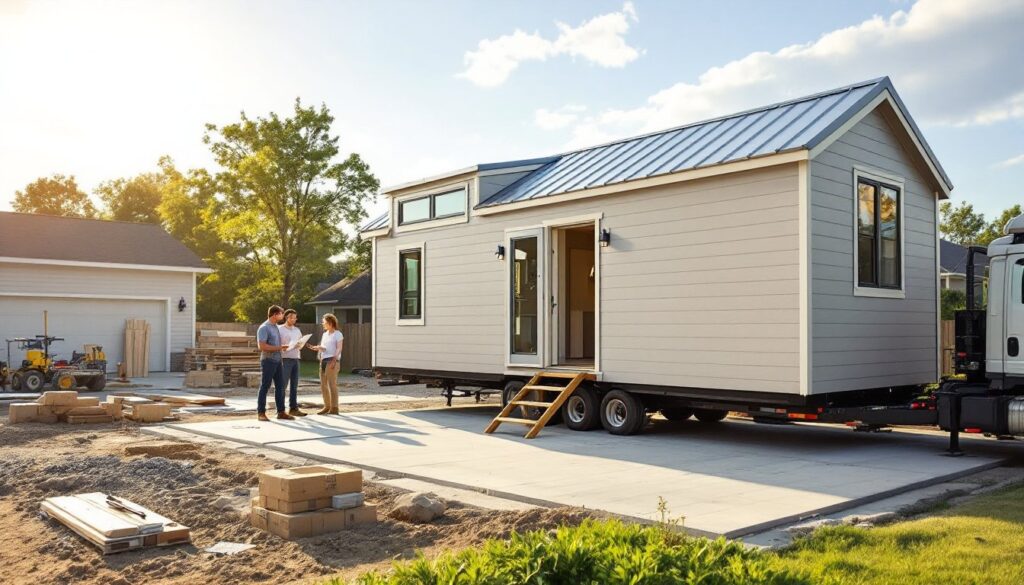
Costco has partnered with manufacturers to offer prefabricated tiny homes that arrive largely factory-complete, with minimal on-site assembly required. The models typically range from 240 to 400 square feet, featuring one or two bedrooms and one full bathroom. Standard specifications include pre-installed flooring (usually laminate or vinyl), drywall interior walls, electrical rough-in, and plumbing stubs ready for final connection.
These units ship on a flatbed trailer and are delivered to your foundation. Unlike site-built homes, Costco’s tiny homes come with a manufacturer’s warranty (typically 1 to 5 years, depending on the model) covering structural defects and mechanical systems. The walls are typically 2×4 stud framing with R-13 or R-15 insulation, adequate for mild climates but marginal for regions with extreme winters or summers.
Key features vary by model, but most include kitchen cabinetry, a stove/oven combo, refrigerator hookups, and bathroom fixtures. Roofing is usually asphalt shingle or metal: foundation requirements are either a concrete slab, pier-and-beam, or a full basement (you handle this). Electrical capacity ranges from 100 to 200 amps, sufficient for normal household loads, though high-demand appliances may require upgrading depending on your local utility provider.
Costco updates its lineup every 12–24 months, so specific models rotate. As of early 2026, the warehouse offers three to five configurations in rotation, each with cosmetic and layout variations. Pricing starts around $40,000 for entry-level models and climbs to $85,000+ for premium versions with expanded square footage or upgraded finishes. Shipping and delivery add $5,000 to $15,000 depending on distance and site accessibility.
Why Homeowners Choose Costco for Tiny Home Solutions
Cost Savings and Value Comparison
The primary draw is sticker price versus custom or semi-custom alternatives. A comparable prefab tiny home from an independent builder often runs $60,000 to $120,000 before land and foundation costs. Costco’s wholesale buying power and volume manufacturing allow them to undercut that range significantly.
Beyond base cost, Costco buyers avoid years of custom design and fabrication timelines. Your home arrives ready for utility connections and finishing touches, compressing the build cycle from 12+ months to 3–6 months from purchase to move-in. That speed matters if you’re selling a larger property or have a tight relocation deadline.
Warranty coverage is another advantage. Costco-branded units include manufacturer protection on structural components and major systems, reducing your exposure to early defects. Traditional site-built homes depend on builder reputation and local contractor quality: prefabs come with factory accountability.
Resale value is the honest caveat. Tiny homes, while growing in popularity, don’t hold value like traditional single-family houses. Costco’s lower entry price offsets this somewhat, but don’t expect a 3–5% annual appreciation. You’re buying for lifestyle, flexibility, or investment in alternative living, not as a wealth-building asset like a conventional home.
Costco also offers financing through approved lenders, sometimes with competitive rates for qualified buyers. Bundle that with Costco’s return policy mindset, members feel confident there’s recourse if something goes wrong, and the purchase feels lower-risk than ordering from an unfamiliar builder.
Practical Considerations Before Buying a Tiny Home from Costco
Design, Customization, and Long-Term Suitability
Here’s where reality bites. Costco’s tiny homes ship as-is. You cannot specify custom kitchen layouts, add windows, or move plumbing runs before delivery. Minor tweaks (paint color, hardware) may be negotiable, but structural or mechanical changes happen post-delivery at your cost and risk.
Layout efficiency is decent but not bespoke. A 300-square-foot, one-bedroom model packs in a kitchen, living area, bedroom, and bath, but hallways are tight, closet space is minimal, and storage solutions depend on aftermarket shelving. If you work from home or need dedicated office space, you’re squeezing a desk into a corner or converting the second bedroom.
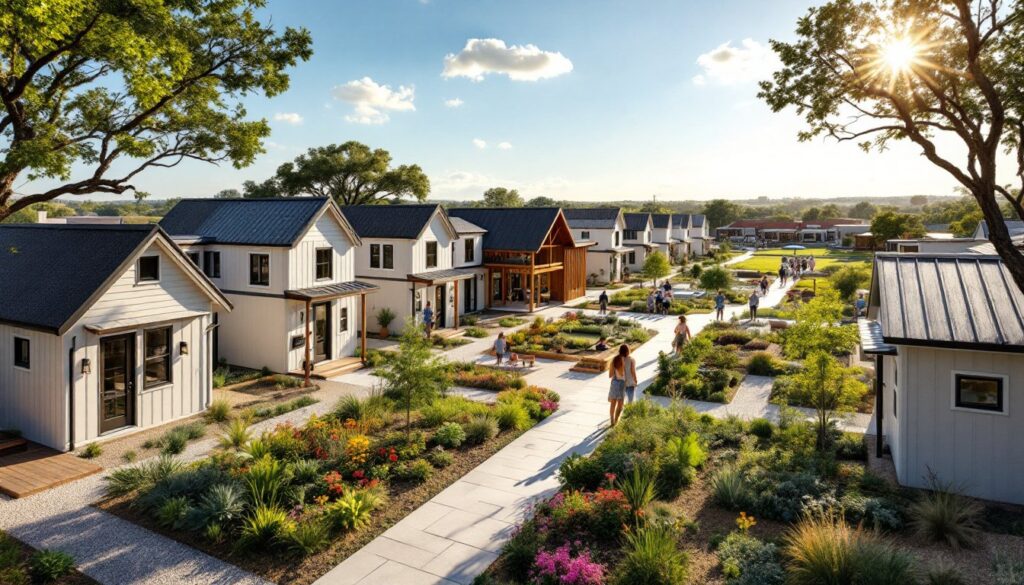
Zoning and permitting vary wildly by jurisdiction. Many rural counties and RV parks allow tiny homes on foundation with minimal inspection. Urban municipalities and HOA-governed subdivisions often restrict them, some ban them outright, others require special variances. Check your local planning and zoning office before signing anything. Codes about foundation design, electrical capacity, and septic or sewer hookups differ by location.
Foundation is your responsibility and a major cost. A concrete slab runs $2,000 to $5,000: a pier-and-beam system, $3,000 to $7,000. In flood-prone or seismic zones, costs climb, and you may need licensed structural engineers to sign off on design. Costco doesn’t manage this, you hire the contractor.
Utility infrastructure matters. Septic systems require percolation tests and permitting: sewer connections require municipal approval and plumbing hookup. Rural off-grid scenarios (well, propane, solar) add complexity and cost. Costco’s units assume standard utility access: if you’re genuinely off-grid, expect $5,000 to $20,000 in additional mechanical systems and consulting.
Land itself is your biggest variable. Tiny homes only pencil out financially if you own land outright or can purchase it cheaply. Budget-friendly renovations and space planning strategies work for interiors, but you cannot reduce land costs through sweat equity. In high-cost regions (urban cores, coastal zones), tiny homes remain expensive after land acquisition.
Making Your Tiny Home Investment Work: Setup and Integration
Delivery and site prep span 4–8 weeks after purchase. Your contractor positions the unit on the foundation, connects utility stubs to municipal or private systems, and completes electrical and plumbing rough-in. This phase often reveals surprises: undersized electrical service, septic locations conflicting with drainage, or local inspector requests for additional bracing or tie-downs in wind-prone areas.
Expect to spend $3,000 to $10,000 on final connections, depending on existing infrastructure. If the site lacks utilities, costs spike. Budget conservatively and get quotes from licensed electricians and plumbers before delivery.
Interior finishing is your chance to customize. Paint, flooring upgrades (vinyl planking, carpet), cabinet refacing, and lighting retrofits transform the factory baseline. Modern sustainable home design principles apply, clever storage, multi-use furniture, and durable, low-maintenance materials maximize livability in tight quarters. A modest refresh ($2,000 to $5,000) yields a home that feels personalized and premium.
HVAC (heating, ventilation, air conditioning) systems in Costco tiny homes are typically basic heat pumps or mini-splits, sized for mild climates. In cold or hot regions, expect higher utility bills unless you upgrade insulation or add supplemental heating/cooling. Attic or crawlspace access is often cramped, making future upgrades difficult, plan ahead if you’re in an extreme climate.
Your first year in the home will expose maintenance needs: caulking gaps, inspecting roof seals, testing plumbing for leaks, and confirming electrical load capacity under real use. Budget $500 to $1,500 annually for preventive upkeep. Tiny home construction tolerances are tighter than traditional building: seasonal wood movement and settling happen faster. Monitor doors, windows, and cabinetry alignment.
Finally, resale requires honesty about the market. Tiny homes sell best to specific buyers: downsizers, eco-conscious families, investment portfolios targeting workforce housing. List in niche markets (tiny home communities, RV parks with permanent moorings, or rural regions with strong interest). Pricing often reflects condition and location more than original cost. Plan to hold the home for at least 5–7 years before selling to recoup soft costs and allow market sentiment to mature.