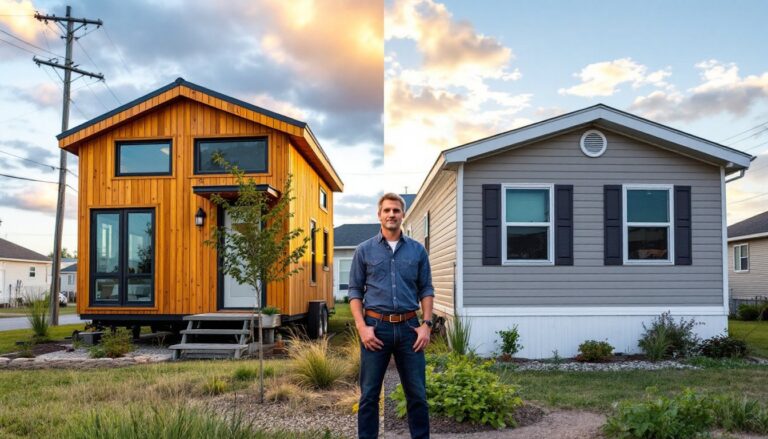
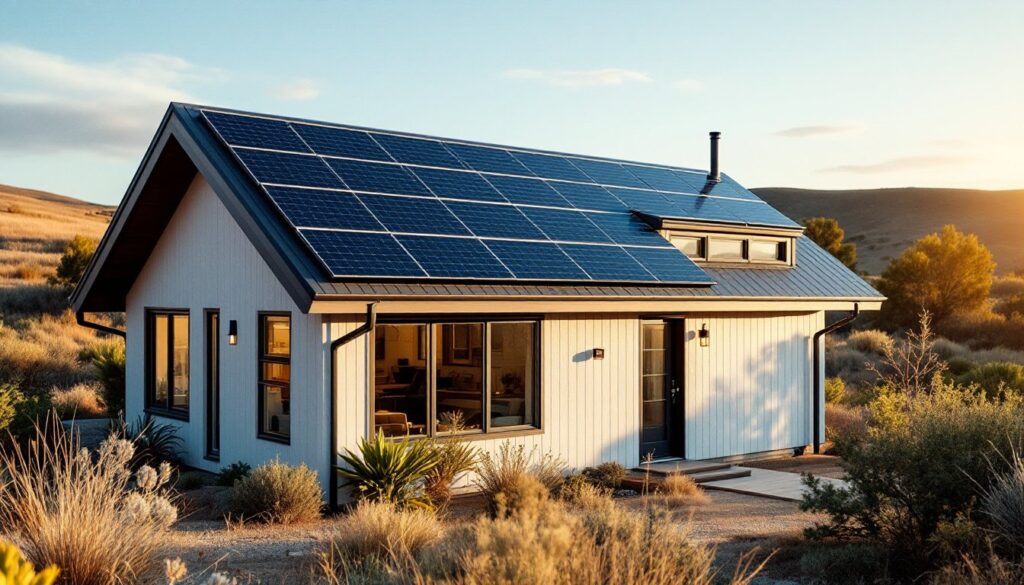

Tiny homes and solar panels are reshaping how homeowners think about sustainable living. A tiny home with solar panels eliminates the disconnect between energy consumption and production, you’re building smaller, using less, and generating what you do need on your own roof. This combination isn’t just trendy: it’s practical. Fewer square feet to heat and cool, plus renewable energy offsetting utility costs, means you’re working with physics and finances aligned. Whether you’re downsizing, going off-grid, or simply tired of climbing energy bills, this guide walks you through the realities of pairing solar with tiny home living in 2026.
Table of Contents
ToggleKey Takeaways
- A tiny home with solar panels achieves energy independence faster than conventional homes, with payback periods dropping from 8–10 years to 5–7 years thanks to reduced heating and cooling loads.
- Tiny homes typically need 3–6 kW of solar capacity (compared to 10 kW for standard homes) and use 300–600 kWh monthly, making solar installation more affordable and manageable.
- Hire a licensed solar installer to ensure your system meets electrical codes, passes inspection, and qualifies for tax credits—rooftop installation costs typically $2.50–$3.50 per watt installed.
- Maximize your solar-powered tiny home’s efficiency with LED lighting, smart thermostats, proper insulation (R-15 minimum), and ENERGY STAR appliances that reduce energy use by 20–40%.
- Battery backup systems (10–15 kWh capacity) add resilience for off-grid homes or outage-prone areas, letting you store surplus daytime production and use it at night, though they increase total cost by $5,000–$15,000.
- Calculate your actual energy needs using 12 months of utility bills, then apply the rule of thumb: roughly 1 kW of solar capacity for every 150 kWh of monthly consumption.
Why Tiny Homes and Solar Panels Are a Perfect Pairing
A tiny home typically ranges from 400 to 800 square feet, cutting your heating and cooling load dramatically compared to a standard 2,000-square-foot house. That efficiency means your solar system doesn’t have to generate as much power to cover your needs. Where a conventional home might need 10 kilowatts (kW) of installed solar capacity, a tiny home often gets by with 3 to 6 kW, fewer panels, smaller inverter, and a more manageable installation.
The math also works in your favor long-term. A tiny home with solar lets you reach energy independence faster, meaning payback periods drop from the typical 8–10 years down to 5–7 years in many regions. Your roof footprint is smaller, too, which simplifies installation and reduces aesthetic concerns for those worried about panel visibility. You’re also operating in alignment with most tiny-home philosophies: minimizing resource consumption, increasing self-sufficiency, and lowering your environmental footprint.
Choosing the Right Solar Panel System for Your Tiny Home
Calculating Your Energy Needs and System Size
Before buying a single panel, determine your annual energy consumption. Grab your past 12 months of utility bills, they’ll list kilowatt-hours (kWh) used. Divide the annual total by 12 to get your monthly average. A tiny home typically uses 300–600 kWh per month, compared to the U.S. average of 877 kWh.
Once you know your monthly draw, calculate solar capacity using the “rule of thumb”: you’ll need roughly 1 kW of installed solar for every 150 kWh of monthly use. So 450 kWh per month = roughly 3 kW of system capacity. This varies by location, sunnier climates (Arizona, Southern California) generate more per panel: cloudier regions (Pacific Northwest, Northeast) need slightly larger systems.
Don’t overlook seasonal variance. Winter production drops 20–40% depending on latitude and cloud cover. Many tiny homeowners size their systems to handle winter minimums, then use any summer surplus to charge a battery bank or feed the grid (if grid-tied).
Rooftop Vs. Ground-Mounted Systems
Rooftop systems are the standard for tiny homes, they use space you already own, require no foundation work, and keep panels out of foot traffic and shade. South-facing roofs angled between 15 and 40 degrees (depending on your latitude) are ideal. Check your roof’s structural capacity and age before installing panels: if your roof is near the end of its life, replace it first. Panels typically last 25+ years, so you don’t want to tear them off in 10 years for roof work.
Ground-mounted systems let you optimize angle and orientation without roof constraints, and they’re easier to maintain (cleaning, inverter access). But, they require foundation work, take up yard space, and cast shadows as the sun moves. For a tiny home, ground-mounted systems make sense only if you have ample south-facing land and roof limitations.
Many tiny homes on trailers or foundations benefit from rooftop systems, easier to move with the structure (for trailers) and they don’t consume footprint. Ground-mounted works well for permanent, land-rich tiny home communities.
Installation Essentials and Best Practices
Installing solar on a tiny home isn’t necessarily simpler than on a larger home, but the scope is smaller. Most tiny homes will need 8–20 panels (depending on wattage and kW target), a string inverter or microinverters, a disconnect switch, combiner boxes, and wiring rated for outdoor UV exposure (typically 10 AWG or 12 AWG copper).
Hiring a licensed solar installer is strongly recommended, especially if your system ties to the grid. Why? Your installation must pass electrical inspection and comply with the National Electrical Code (NEC). Rooftop work involves fall hazards, roof penetrations, and electrical safety that demand expertise. Costs vary by region (typically $2.50–$3.50 per watt installed, meaning a 4 kW system runs $10,000–$14,000 before incentives), but a professional ensures your system is safe, permitted, and eligible for tax credits.
If you’re determined to DIY, focus on non-electrical tasks: roof prep, racking installation, and conduit routing. Hire a licensed electrician for all wiring and inspection. Tiny homes often sit on unconventional foundations or trailers, so confirm your installer understands these setups, mounting racking on a trailer requires different structural assumptions than a fixed tiny home.
Permits are non-negotiable. Your solar installation requires electrical permits and, often, structural or zoning approval. Tiny homes already navigate permit gray areas (some jurisdictions still struggle with the definition), so check with your local building department early. Recent home automation reviews also cover solar monitoring systems, which let you track real-time production and flag issues remotely.
Maximizing Efficiency in Your Solar-Powered Tiny Home
Generating power is half the equation: using it wisely is the other. Start with baseline efficiency: LED lighting cuts lighting loads by 75% versus incandescent, and smart thermostats (like those mentioned in connected device guides) learn your patterns and avoid heating or cooling empty rooms. Insulation is critical, poor insulation in a tiny home is catastrophic because the tiny volume means heat loss or gain happens fast. Ensure your walls meet R-15 minimum (R-20 is better in cold climates), and use low-emissivity (low-E) windows to reflect radiant heat while letting light in.
Water heating is a major energy draw. An on-demand (tankless) water heater uses less energy than a traditional tank, or install a solar thermal system (separate from photovoltaic panels) to preheat water and offset electric heating. Appliances matter too, ENERGY STAR-rated refrigerators, washers, and dryers cost more upfront but use 20–40% less energy.
Battery backup isn’t mandatory if you’re grid-tied (your utility handles night and cloudy day coverage), but it adds resilience. A small 10–15 kWh battery bank (like LiFePO₄ chemistry) lets you capture surplus daytime production and use it at night or during grid outages. This increases system cost by $5,000–$15,000 but pairs beautifully with off-grid tiny homes or those in areas prone to power outages.
Monitor your system. Most modern inverters log production data to your phone or computer. Track seasonal swings to understand when you’re generating surplus and when you’re drawing from the grid (or battery). Many tiny homeowners discover they can shift laundry and charging to sunny afternoons, maximizing self-consumption. For design inspiration on downsizing and small-space layouts, sustainable home design publications often showcase tiny homes paired with renewable energy systems, giving you real-world examples of how efficiency and aesthetics coexist.
Conclusion
A tiny home with solar panels represents a shift toward intentional living, smaller footprints, lower energy bills, and genuine independence from grid volatility. The upfront investment is real, but so are the long-term savings and resilience. Start with your energy audit, size your system conservatively, hire licensed professionals for electrical work, and commit to efficiency habits. Your tiny home becomes not just a living space but a working, self-sustaining machine.