
Tiny home resorts are reshaping the vacation landscape for travelers seeking affordable, authentic experiences without sacrificing comfort. These pocket-sized properties, typically ranging from 200 to 600 square feet, combine the efficiency of minimalist living with the hospitality of full-service resort amenities. Whether you’re a homeowner curious about the investment potential or a DIY enthusiast interested in compact design solutions, tiny home resorts offer compelling lessons in smart space planning and practical architecture. This emerging trend has gained serious momentum in 2026, driven by rising hotel costs, growing demand for unique stays, and a cultural shift toward sustainable tourism. Understanding what makes these resorts tick can help you evaluate them as a traveler, homeowner, or potential investor.
Table of Contents
ToggleKey Takeaways
- Tiny home resorts typically cost $85–$180 per night versus $120–$250 for traditional hotels, making them 30–40% more affordable while offering full kitchen and living space amenities.
- Tiny home resorts attract higher occupancy rates and repeat visitors by combining sustainability, privacy, and practical value for families and remote workers seeking authentic vacation experiences.
- Individual tiny home units cost $35,000–$60,000 to build using modular construction, generating 18–25% net annual returns when clustered into 5–15 unit resorts on multi-acre properties.
- Successful tiny home resort design balances minimalism with comfort through high ceilings (9+ feet), multi-functional furniture, generous outdoor decks (100–200 sq ft), and engineered storage solutions that maximize livability.
- Top tiny home resort destinations include Austin and Texas Hill Country, Colorado, Florida’s coast, and international hubs like Portugal, Mexico, Costa Rica, Bali, and Thailand.
- Investors in tiny home resorts must navigate zoning restrictions, building codes, permits, and infrastructure costs, with property management typically consuming 15–25% of revenue.
What Are Tiny Home Resorts and Why They’re Trending
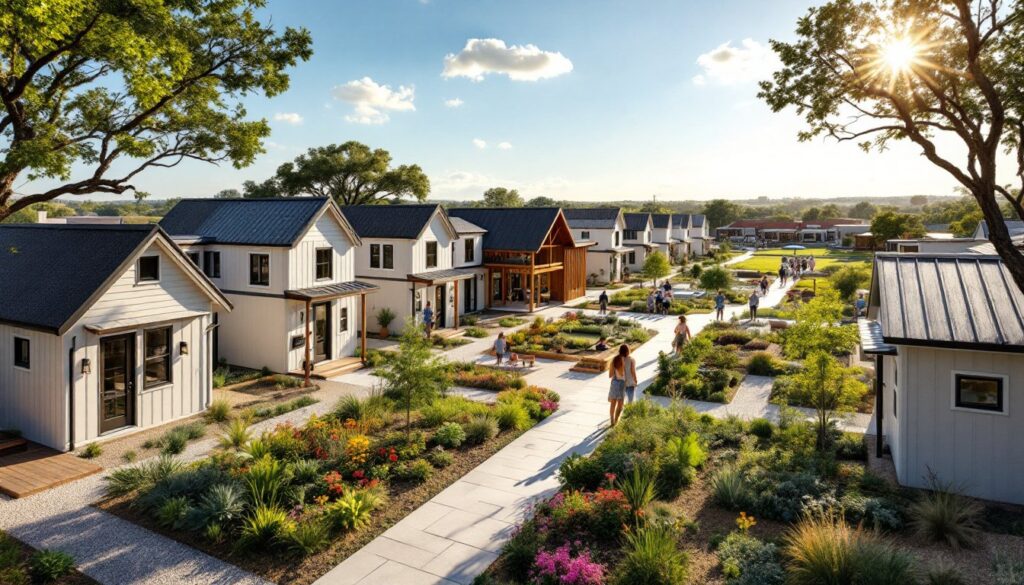
Tiny home resorts are collections of small, self-contained dwellings clustered on a single property and managed as a vacation rental destination. Unlike traditional hotels, they function more like cabin communities or glamping sites, guests rent entire homes rather than individual rooms. Each unit typically includes a full kitchen, bathroom, bedroom space, and living area, offering independence and privacy that apartment-style accommodations can’t match.
The appeal is threefold: cost efficiency, sustainability, and a return to authentic travel. Property owners reduce overhead by managing fewer, smaller structures with shared amenities like pools, common areas, and grounds. Guests pay less per night than a comparable hotel room while gaining full house functionality. From a sustainability angle, smaller footprints mean lower utility consumption and less environmental impact, a selling point for eco-conscious travelers.
Market data from 2026 shows tiny home resorts attracting repeat visitors and higher occupancy rates than traditional lodging in comparable regions. The novelty factor matters, but so does practical value: families can cook meals, spread out across separate sleeping areas, and maintain privacy. Remote workers also favor these properties, often staying for weeks or months at rates that beat long-term apartment rentals.
Top Destinations Featuring Tiny Home Resort Communities
Tiny home resorts are popping up across the US and internationally, with some regions leading the charge. Texas, particularly around Austin and the Hill Country, has become a hub for minimalist vacation communities. Colorado and New Mexico feature upscale tiny home retreats marketed toward outdoor enthusiasts and remote workers. Florida’s coastal areas have embraced the model as a way to maximize land use and reduce Hurricane-prone building footprints.
International destinations are catching on fast. Portugal, Mexico, and Costa Rica have launched aspirational tiny home resort projects targeting digital nomads and off-season travelers. Several developments in Bali and Thailand market themselves as wellness retreats, bundling tiny accommodations with yoga, meditation, and wellness programming.
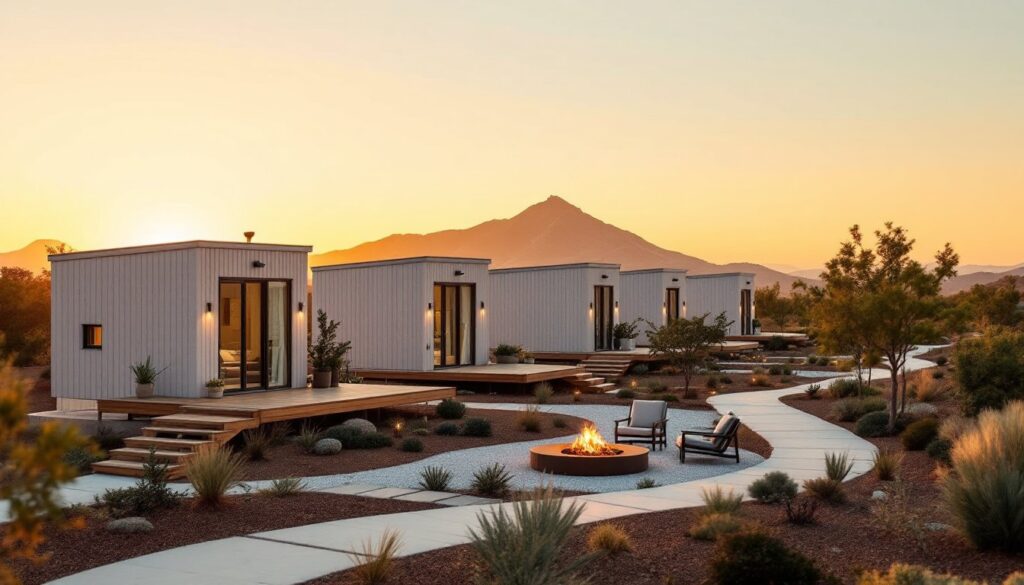
Each region tailors the model to its geography and audience. Desert communities emphasize drought-resistant landscaping and passive cooling through design. Coastal properties focus on elevated foundations and storm resilience. Mountain resorts prioritize snow load engineering and efficient heating. The common thread: thoughtful design packed into compact footage, with attention to local codes and climate demands. Research modern architecture and sustainable home design trends to understand how prefab and minimalist structures fit into the broader construction landscape.
Amenities and Design Features That Define the Experience
Successful tiny home resorts balance minimalism with comfort. Shared amenities compensate for individual unit size: community kitchens, fire pits, fitness centers, co-working spaces, and curated event programming. Some resorts add restaurants, spa services, or recreational facilities to create an all-in-one destination feel.
Design features that make tiny homes livable include high ceilings (often 9+ feet) to avoid claustrophobia, large windows for natural light, and multi-functional furniture. Built-in storage, murphy beds, and convertible dining-work surfaces maximize utility. Kitchens are compact but fully equipped with quality appliances: bathrooms often feature wet-room designs (no tub, walk-in shower) to save square footage while maintaining luxury.
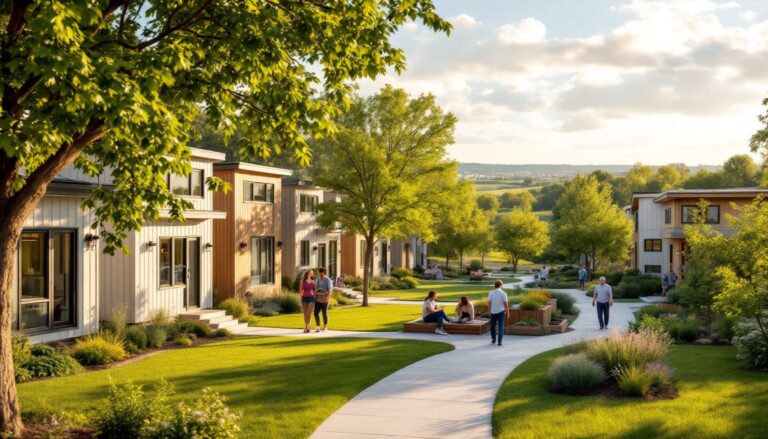
Exterior design matters equally. Many resorts arrange units along walking paths, creating a village-like atmosphere. Generous deck or patio space (often 100–200 sq ft per unit) extends the living area outdoors and provides privacy buffers between neighbors. Landscaping is typically low-maintenance native plantings to reduce water consumption and maintenance costs.
Space-Saving Interior Layouts and Smart Design
The magic of a livable tiny home lies in intentional layout. Load-bearing walls separate spaces without requiring hallways: open floor plans eliminate wasted circulation area. Bedroom and bathroom placement near utilities reduces plumbing and electrical runs, cutting construction costs and improving function.
Storage is engineered, not afterthought. Vaulted ceilings hide mechanical systems and create overhead storage accessed by library ladders. Kitchen islands do double duty as meal prep, dining, and storage hub. Closets use every inch: tiered shelving, pull-down racks, and vertical dividers prevent pile-up. Small space living ideas and apartment decor tips offer inspiration for furnishing and organizing compact layouts efficiently.
Cost Comparison: Tiny Home Resorts vs. Traditional Lodging
A mid-range hotel room in a vacation destination runs $120–$250 per night in 2026. A comparable tiny home resort unit in the same area typically costs $85–$180 per night, depending on season and amenities. For a family of four, the difference is substantial: a hotel with two rooms runs $250–$500 nightly: a single tiny home accommodates everyone for $150–$250.
Weekly and monthly discounts amplify savings. Hotels rarely offer meaningful weekly discounts: tiny home resorts often drop rates 20–30% for stays of 7+ days. A month-long stay at a tiny home resort can cost $2,000–$4,000, compared to $3,600–$7,500 for a hotel at standard nightly rates.
Operating costs favor the resort model too. Utilities in a 400-sq-ft unit run $40–$80 monthly: cleaning turnovers take 1–2 hours instead of 30+ minutes for a hotel room (simpler spaces mean faster cleanup). Staffing needs are lower: fewer units require fewer housekeepers, and guests self-manage amenities like kitchens.
The tradeoff: you’re paying for location and design, not daily housekeeping or room service. Budget travelers view this as a win: luxury travelers may find it limiting. Home design news and real estate trends often highlight how tiny home resort pricing undercuts traditional vacation rentals and boutique hotels, reshaping the hospitality market.
Investing in Tiny Home Resort Properties as a Homeowner
For homeowners with land and capital, tiny home resorts represent an emerging investment class. A single tiny home costs $35,000–$60,000 to build (using standard finishes and modular construction), versus $150,000–$300,000 for a traditional vacation cottage. Clustering 5–15 units on a multi-acre parcel creates a resort without massive per-unit overhead.
Revenue potential is strong. A unit renting 65–75% of nights at $120/night generates $28,500–$32,000 annually. Subtract 30–40% for expenses (property tax, insurance, maintenance, utilities, property management) and net returns reach 18–25%, competitive with stock market averages and more liquid than traditional rental real estate.
But entry barriers matter. Land acquisition, permits, and infrastructure (roads, utilities, septic/sewer systems) demand upfront capital. Zoning must allow transient lodging: many residential areas prohibit short-term rentals or restrict their density. Structural and safety codes apply: units must meet full building code (not just residential standards), fire separation requirements between units, accessibility provisions, and parking ratios. Depending on jurisdiction, you may need conditional-use permits, environmental reviews, or design review board approval.
Property management is crucial. Unlike a single rental home, a resort requires consistent marketing, guest communication, maintenance coordination, and complaint resolution. Many investors hire third-party management companies (costing 15–25% of revenue) rather than self-manage.
If you own land and the numbers pencil out, consult a local real estate attorney and architect before proceeding. Build compliance into your financial model from day one.
Conclusion
Tiny home resorts represent a practical convergence of affordability, sustainability, and design innovation. For travelers, they offer genuine savings and functional space that traditional hotels can’t match. For homeowners and investors, they present a real estate opportunity with solid return potential, if zoning, permits, and management are sound. Whether you’re booking your next vacation or exploring property investment, the tiny home resort model is worth taking seriously. The trend is here to stay.