
San Antonio is emerging as one of the nation’s hottest markets for tiny home living, and for good reason. The city’s lower cost of living, sprawling neighborhoods, and growing community of small-space enthusiasts make it an ideal destination for those seeking affordable homeownership and a simpler lifestyle. Whether you’re downsizing, looking to invest in rental properties, or simply curious about the tiny home movement, understanding San Antonio’s unique opportunities and challenges is essential. This guide walks you through everything you need to know about tiny home living in San Antonio, from zoning regulations and community options to layout strategies and budget considerations.
Table of Contents
ToggleKey Takeaways
- San Antonio’s affordable cost of living and favorable climate make it an ideal destination for tiny home living, with lot prices ranging from $40,000 to $100,000 compared to much higher costs in California and the Northeast.
- Before pursuing a standalone tiny home lot, verify zoning requirements with San Antonio’s Development Services Department, as regulations vary significantly by neighborhood and ADUs may face fewer approval hurdles than single-lot properties.
- Established tiny home communities like The Residences at Alamo Springs, South Alamo District, and Southtown Creative District offer pre-approved options that sidestep complex zoning battles and range from $150,000 to $250,000.
- Maximize functionality in a 300-600 square foot tiny home with open-plan layouts, vertical storage solutions, lofted sleeping areas, and multi-functional furniture rather than simply cramming in every square inch.
- New construction tiny homes in San Antonio typically cost $140,000–$280,000, while modular or DIY options can range from $80,000–$150,000 and $30,000–$70,000 respectively, though financing can be challenging since not all lenders approve homes under 400 square feet.
- Property taxes on a $180,000 tiny home are significantly lower at roughly $2,200–$2,800 annually, and smart storage design—including vertical shelving, under-bed drawers, and built-in benches—is essential to making small-space living practical and comfortable.
Why San Antonio Is Perfect For Tiny Home Living
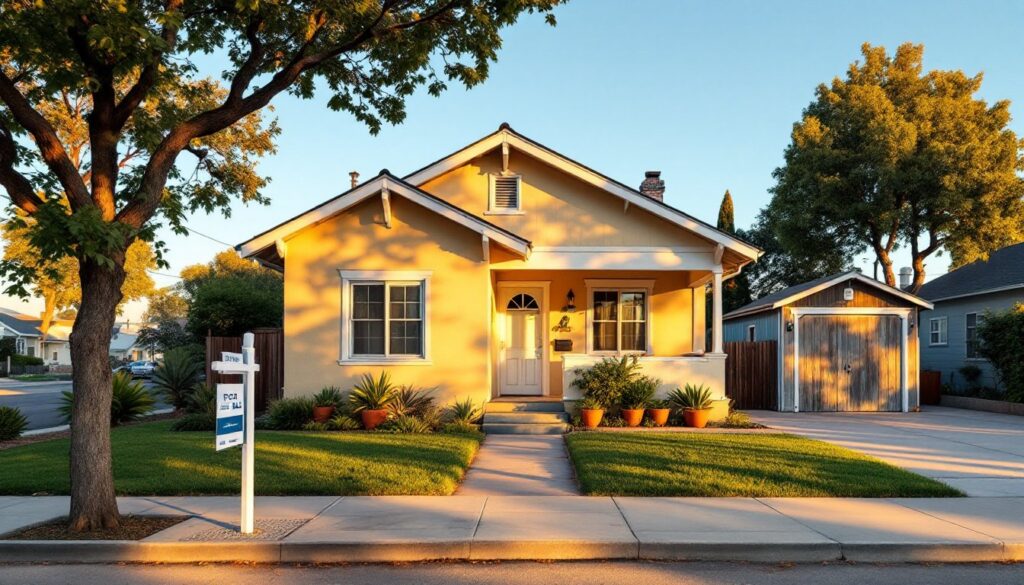
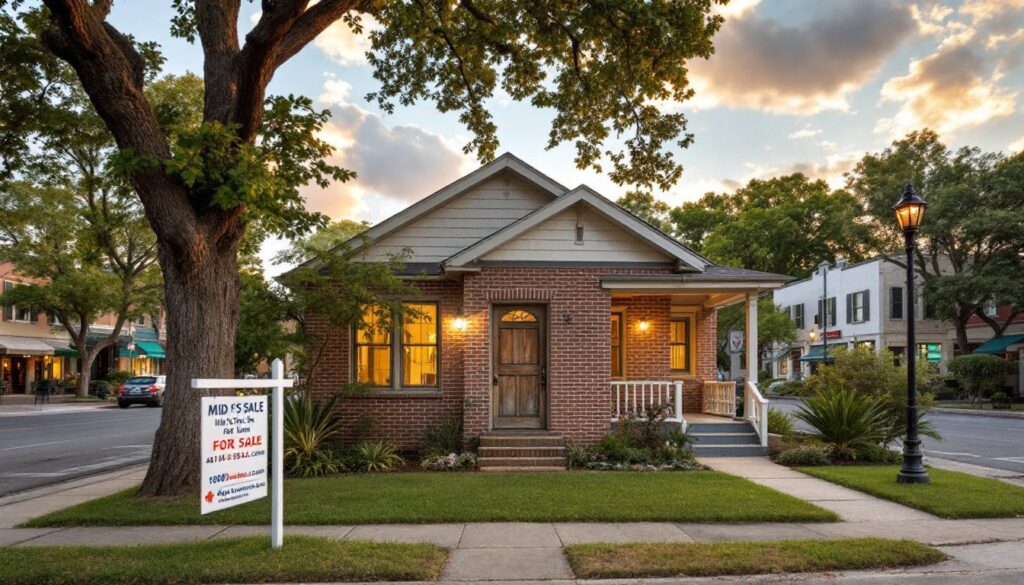
San Antonio offers several advantages that make it an attractive hub for tiny home enthusiasts. First, the cost of living remains well below national averages, which translates to lower land prices and property taxes compared to California or the Northeast. A typical tiny home lot in San Antonio runs $40,000 to $100,000, depending on location and lot size, making ownership accessible to first-time buyers.
Second, the city’s climate is relatively forgiving for small-space living. Hot summers and mild winters mean fewer heating costs, and a culture of outdoor entertaining in patios and shared spaces complements the downsized interior footprint. Third, San Antonio’s growing population and downtown revitalization have created neighborhoods, particularly near South Alamo, Southtown, and the East Side, where tiny homes and accessory dwelling units (ADUs) are gaining acceptance and visibility.
The city also has a strong DIY community and affordable skilled labor for renovations. Unlike pricier markets, finding a plumber, electrician, or carpenter willing to work on smaller-scale projects is more feasible. Also, San Antonio’s real estate market is still relatively forgiving for investors looking to build tiny home communities or rent individual units as short-term vacation properties.
Navigating Zoning Laws And Building Codes For Tiny Homes
This is where most tiny home dreamers hit a roadblock: San Antonio’s zoning regulations and building codes aren’t uniformly friendly to tiny homes, and they vary significantly by neighborhood and jurisdiction.
San Antonio’s municipal code defines a “dwelling unit” with minimum square footage requirements that typically favor larger single-family homes. In most residential zones, minimum lot sizes range from 6,000 to 10,000 square feet, which limits where you can legally place a tiny home. But, the city has been gradually updating codes. Accessory dwelling units (ADUs), small secondary homes on the same lot as a primary residence, are now permitted in some areas with variance approval.
Here’s what you need to know: Check with the San Antonio Development Services Department early in your planning. Zoning for a tiny home on its own lot is harder than zoning an ADU on an existing property. Building codes still apply fully, you must meet setbacks, foundation requirements, utility connections, and accessibility standards outlined in the International Residential Code (IRC), which San Antonio adopts with local amendments.
Permit costs run $300 to $800 for a tiny home inspection, depending on scope. If your project requires a variance or conditional use permit, factor in an additional 4-8 weeks and $500-$1,500 in fees. Many buyers find it easier to purchase in a pre-approved tiny home community than to navigate approvals on a standalone lot.
Popular Tiny Home Communities In San Antonio
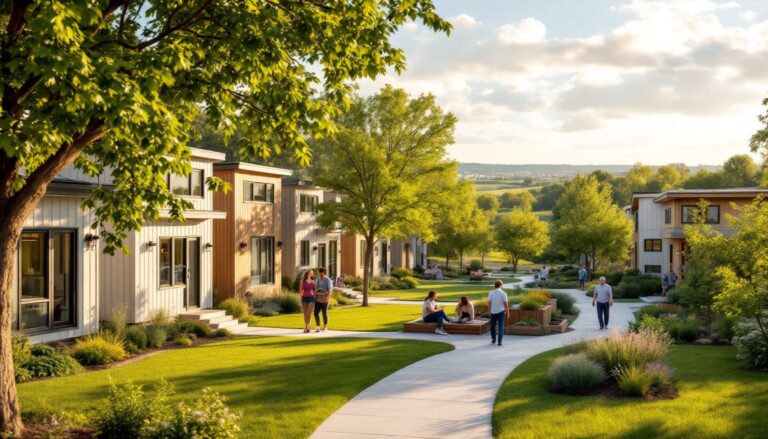
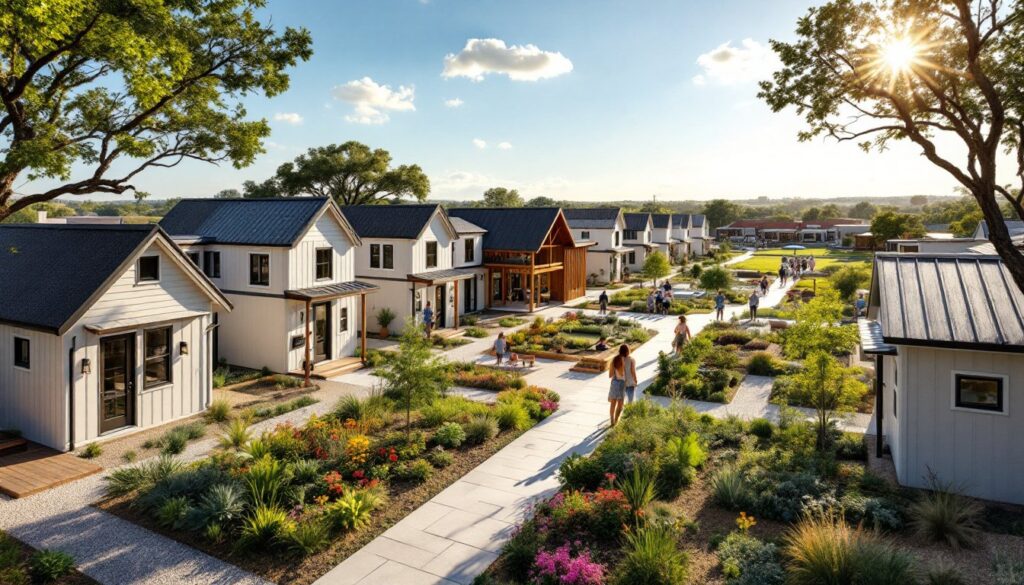
Rather than fighting zoning battles solo, many buyers choose established tiny home communities. San Antonio has a handful of intentional communities and micro-neighborhoods designed specifically for small homes.
The Residences at Alamo Springs on the North Side includes several tiny homes and ADUs in a mixed-density development. Units range from 400 to 600 square feet, with prices starting around $150,000-$200,000 for purchase or $900-$1,200 for monthly rentals.
South Alamo District is an up-and-coming neighborhood where developers are quietly adding new tiny home projects. It’s walkable, close to dining and culture, and zoning has been gradually loosened. Expect $180,000-$250,000 for a small home in this area.
Southtown Creative District allows mixed-use and ADU projects. Several artist-focused micro-communities have emerged here, blending live-work spaces with affordable tiny homes. Recent developments feature homes in the 600-700 square foot range, priced $160,000-$220,000.
Beyond city limits, communities in San Antonio suburbs like Alamo Heights and Boerne are experimenting with tiny home zoning. These areas sometimes allow smaller lots and creative layouts because they’re less densely zoned than the central city. When evaluating a community, confirm that utilities (sewer, water, electric) are already in place and that HOA rules allow tiny home modifications or additions.
Designing A Functional Tiny Home Layout
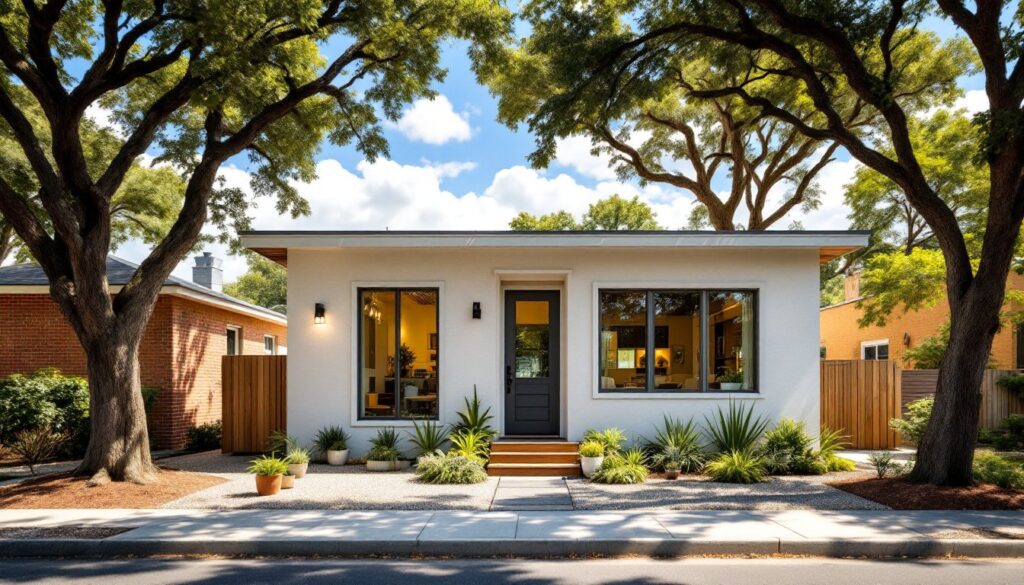
A well-designed tiny home in San Antonio typically ranges from 300 to 600 square feet. The key is not cramming in every square inch, it’s making every square inch work hard.
Start with an open-plan living area. Combining the kitchen, dining, and living spaces eliminates hallways and makes the home feel larger. Most San Antonio tiny homes use an L-shaped or galley kitchen to save space while maintaining usability. Position the kitchen along one wall or in a corner to avoid blocking sightlines.
Bedrooms in tiny homes are compact, typically 10×10 feet or smaller, which means they fit a bed, minimal dresser storage, and little else. A typical master bedroom in a 400-square-foot home is about 12×12 feet. If you’re designing for a couple or small family, consider lofted sleeping areas or a bedroom-office hybrid.
Bathrooms are always tight. A half-bath should be 5×5 feet minimum: a full bath with a shower (no tub) needs 5×8 feet. Corner fixtures and pedestal sinks save precious floor space. Ventilation is critical, a properly sized exhaust fan prevents moisture buildup that plagues small homes in humid San Antonio summers.
Wall height matters. Most San Antonio builders use standard 8-foot ceilings, but some tiny homes feature vaulted or 9-foot ceilings in the living area. Check local code, many municipalities cap residential ceiling heights at 8 feet, and anything higher may require engineer approval.
Smart Storage And Space-Maximizing Solutions
Storage makes or breaks a tiny home. Here are field-tested strategies:
- Vertical storage: Floor-to-ceiling shelving, wall-mounted cabinets, and overhead racks maximize unused wall space.
- Under-bed drawers: Rolling storage under the bed captures dead space and keeps items accessible.
- Closet systems: Modular closet organizers with hooks, shelves, and hanging rods can nearly double closet capacity. Expect to spend $300-$800 on quality organizers for a tiny home.
- Built-in benches with hidden storage: A window seat or entryway bench with lift-top storage replaces standalone furniture and provides seating.
- Multi-functional furniture: A kitchen island with drawers, a bed frame with integrated shelving, or a TV stand with cabinets serve dual purposes.
- Pantry doors: Mount a pantry organizer on the back of a kitchen or closet door to store cans, spices, and small items.
- Wall-mounted fold-down desk: Perfect for tiny homes used as live-work spaces: folds flush when not in use.
Recent modern architecture and prefab home designs showcase creative storage solutions in compact homes. When planning a tiny home in San Antonio, visit these projects online for real-world inspiration.
Budget-Friendly Tiny Home Options In San Antonio
Tiny home prices in San Antonio vary widely depending on finish level, lot cost, and whether you’re buying ready-made or building from scratch.
New construction by local builders ranges from $140,000 to $280,000 for a finished 400-600 square foot home. A typical breakdown: lot cost ($40,000-$100,000) plus construction ($80,000-$150,000 for labor and materials). These prices assume standard finishes: premium materials and custom layouts push costs higher.
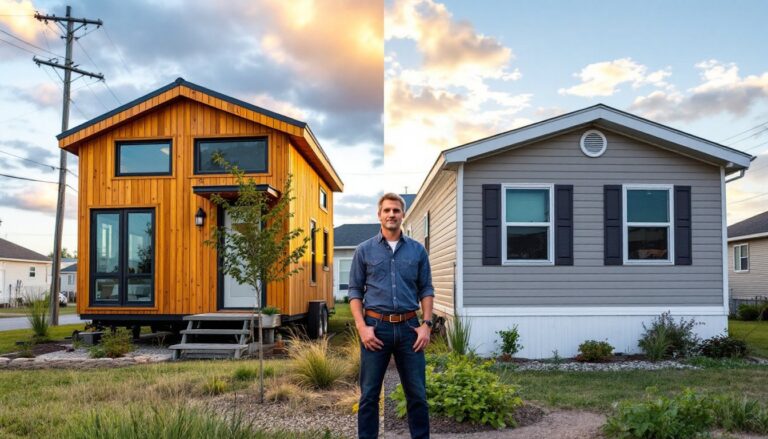
Mobile or modular tiny homes deliver homes faster and often cheaper. A new modular unit runs $80,000-$150,000 delivered and connected, though you still need to own or lease the land. Used mobile homes or older manufactured housing can dip to $25,000-$60,000 but may require electrical upgrades or foundation work to meet current code.
DIY or owner-built tiny homes are a route for skilled builders. Many San Antonio DIY enthusiasts have built homes for $30,000-$70,000 by sourcing reclaimed materials, doing their own labor, and using simplified designs. But, DIY-built homes still require permits, inspections, and compliance, you can’t cut corners on the foundation or electrical system, even if you frame and finish the rest yourself.
Financing tiny homes can be tricky. Traditional mortgages exist but not all lenders will finance homes under a certain square footage (usually 400 square feet). Urban living guides and real estate trends often highlight financing challenges. Consider personal loans, home equity loans, or specialist lenders like those profiled on Apartment Therapy that understand small-space projects. Interest rates vary, but expect 5.5% to 8% depending on loan type and credit. Down payment requirements are often similar to standard mortgages (10-20%), though some community lenders offer zero-down programs for ADUs.
Property taxes are lower because the assessed value is smaller. A $180,000 tiny home in San Antonio carries roughly $2,200-$2,800 in annual property taxes, depending on neighborhood and exemptions.
Conclusion
Tiny home living in San Antonio is achievable, but success depends on understanding local zoning, choosing the right location, and designing smartly for your lifestyle. The city’s affordability and growing small-space community make it a realistic option for downsizers, investors, and first-time homebuyers. Start by checking zoning with the Development Services Department, explore established communities to reduce permitting hassles, and prioritize functional layout and storage. With realistic budgets, honest conversations about code compliance, and a willingness to adapt your expectations, San Antonio can be home.