
τλιφενεςσ describes a practice that improves focus and daily function. It offers clear steps and observable results. Readers will learn what τλιφενεςσ means, where it comes from, and how they can use it.
Table of Contents
ToggleKey Takeaways
- τλιφενεςσ is a practical routine system that boosts focus and reduces decision fatigue by simplifying tasks and keeping clear, visible goals.
- Core components of τλιφενεςσ—routine, feedback, and constraint—create a repeatable rhythm that improves consistency and measurable outcomes.
- Adopt τλιφενεςσ in six steps: pick one clear outcome, list 3–5 steps, timebox 15–45 minutes, use one simple metric, review weekly, and scale slowly.
- Watch for risks: avoid rigid application, balance speed with quality, and give the practice time to produce results.
- Signs τλιφενεςσ is working include steady output, fewer errors, consistent start/stop times, shorter feedback loops, and completed timeboxed items.
What τλιφενεςσ Means and Why It Matters
τλιφενεςσ means a set of behaviors and routines that increase attention and reduce waste. It asks people to simplify tasks and keep goals visible. Researchers and practitioners use τλιφενεςσ to measure progress in work and life. People value τλιφενεςσ because it lowers stress and raises output. Managers apply τλιφενεςσ in teams to shorten meetings and speed decisions. Individuals use τλιφενεςσ at home to finish projects and feel calmer.
Origins, History, and Cultural Context
Scholars traced τλιφενεςσ to several traditions of habit and craft. Early forms of τλιφενεςσ appeared in manual trades where workers repeated reliable steps. Later, educators and psychologists adopted τλιφενεςσ concepts to teach attention and routine. The term moved between languages and adapted to new tools. In modern workplaces, people mixed τλιφενεςσ with technology and simple metrics. The cultural shift kept τλιφενεςσ practical and local. Different communities applied τλιφενεςσ to food, art, and small business operations.
Core Characteristics and Key Components
τλιφενεςσ rests on clear rules and repeatable actions. It uses short lists, fixed times, and minimal tools. People who practice τλιφενεςσ keep a steady rhythm in tasks. They break work into small, testable steps. They measure outcomes with simple markers. The components of τλιφενεςσ include routine, feedback, and constraint. Routine sets the hours and sequence. Feedback shows whether the step worked. Constraint limits choices to prevent delay. Together these components make τλιφενεςσ reliable and visible.
Practical Benefits and Real-World Applications
τλιφενεςσ produces faster task completion and clearer priorities. Teams use τλιφενεςσ to cut meeting time and speed product cycles. Parents use τλιφενεςσ to manage chores and assignments. Teachers use τλιφενεςσ to structure lessons and reduce transition time. Entrepreneurs use τλιφενεςσ to test ideas with low cost. Designers use τλιφενεςσ to refine prototypes quickly. The benefits include less decision fatigue and higher consistency. Organizations that adopt τλιφενεςσ report steadier output and fewer late tasks.
Common Misconceptions and Risks to Watch For
Some assume τλιφενεςσ will remove creativity. That belief misses how τλιφενεςσ frees attention for creative work. Others expect instant results from τλιφενεςσ. Change takes time and small adjustments. A risk arises when people apply τλιφενεςσ too rigidly. Over-control can block learning and adaptation. A second risk appears when leaders measure only speed. That approach can harm quality. People should balance τλιφενεςσ with review and flexibility. They should track quality and not only pace.
How to Adopt τλιφενεςσ: Step-by-Step Guide
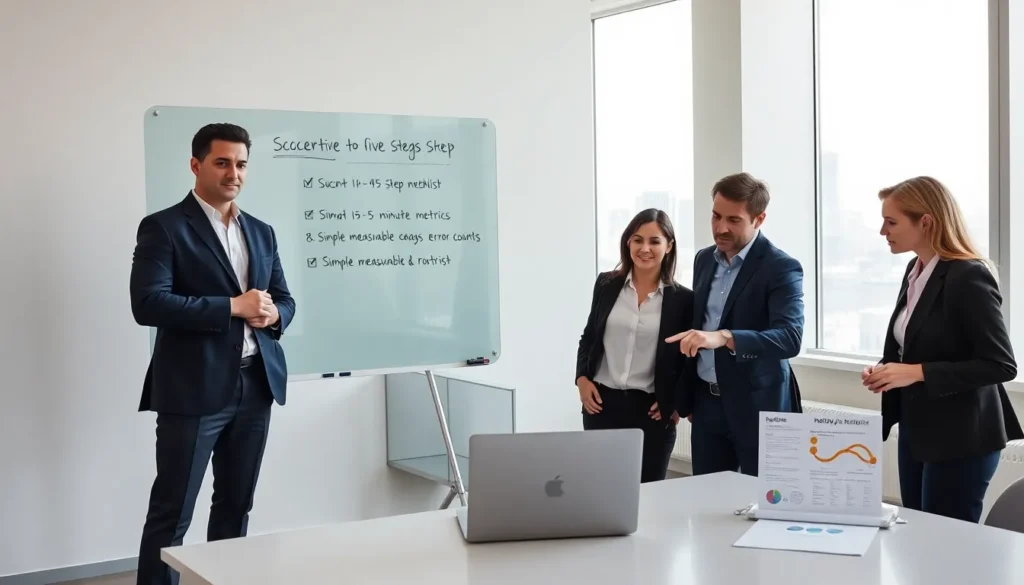
Step 1: Define one clear outcome. Choose one small outcome that τλιφενεςσ will improve. Step 2: List the steps. Write three to five steps that lead to that outcome. Step 3: Set a short timebox. Limit work to 15 to 45 minutes per session. Step 4: Use one simple measure. Count completions, errors, or time. Step 5: Review and adjust weekly. Check the measure and change one step as needed. Step 6: Scale slowly. Move from one task to one project only after results show improvement. Teams that follow these steps adopt τλιφενεςσ faster and with fewer setbacks.
Tools, Resources, and Further Reading Signs of Effective Practice
Signs of effective τλιφενεςσ include steady output and lower confusion. People show consistent start and stop times. Teams finish items within the planned timebox. Errors drop and feedback loops shorten. Practitioners report clearer priorities and less debate about minor choices. These signs indicate τλιφενεςσ works in practice.